Åland Islands
"Åland is where you end up when you're finally trying to figure out what rest actually means."
I arrived in Mariehamn, Åland’s capital, on a ferry from Turku that passed through increasingly dense island scenery for the last three hours of the crossing — pine-covered skerries, granite outcrops barely above the waterline, red-painted summer cottages on islands so small they contained only the cottage and a sauna and a flagpole. By the time the ferry docked I had already understood something about where I was: a place where the word “archipelago” is not a description but an organizing principle.
Åland is autonomous in a way that confuses most European visitors. It’s part of Finland but governed by its own parliament, Swedish-speaking rather than Finnish, and exempt from European Union VAT regulations — which is why the ferries from Stockholm and Turku stop here on their overnight crossings and passengers buy enormous quantities of duty-free goods. This commercial reality sits oddly alongside the landscape’s quiet beauty, but the Ålanders are pragmatic about it in the way that small, self-governing communities tend to be about the compromises that keep them economically viable.
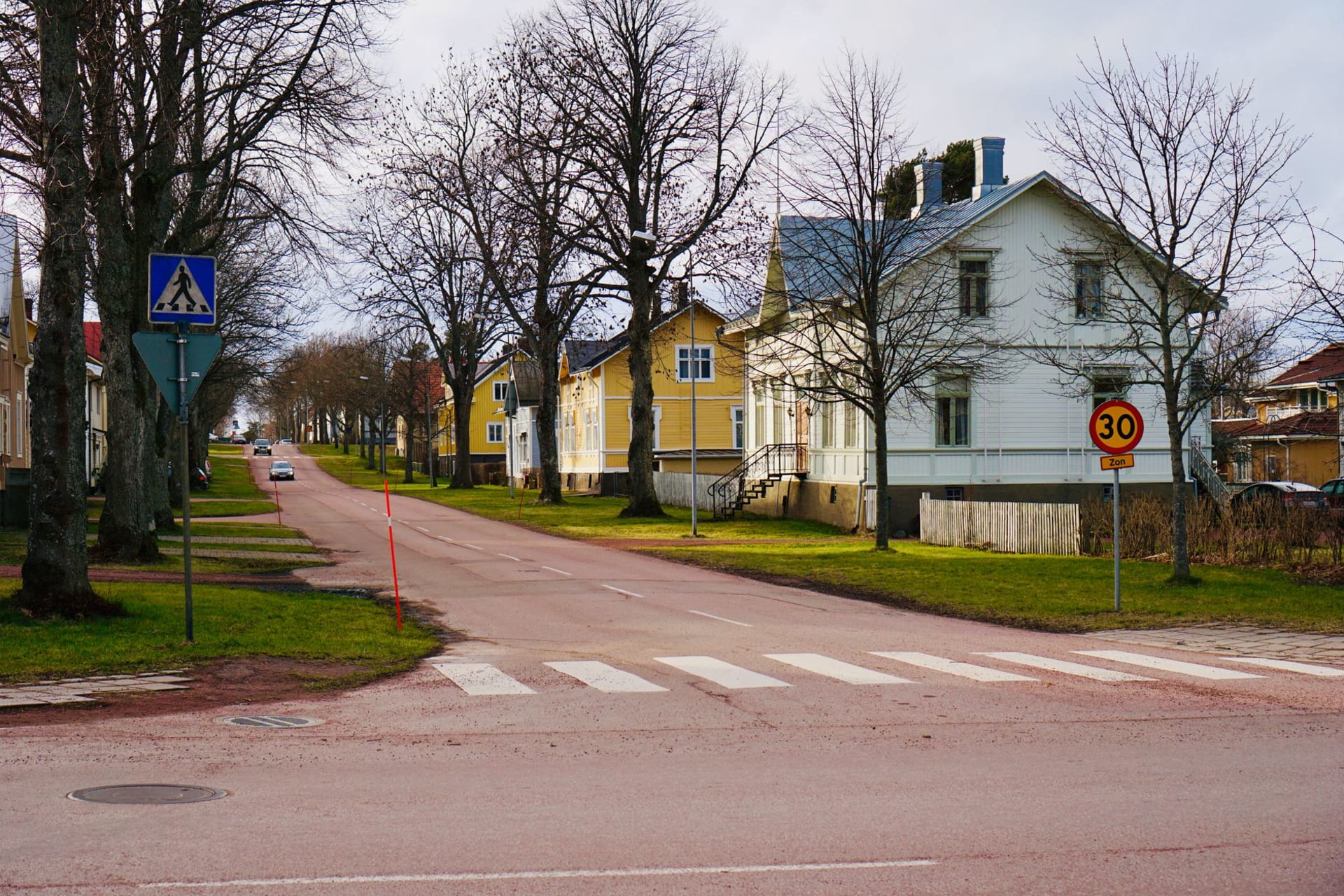
The capital is said to be the world’s smallest by population, at about twelve thousand people — though calling Mariehamn a city requires redefining the word. It has wide, tree-lined streets that seem designed for a population five times its actual size, a maritime museum of genuine quality, and the Pommern moored at the harbour — a four-masted barque built in 1903 that functions as both museum piece and the most impressive object in the harbour by a considerable margin.
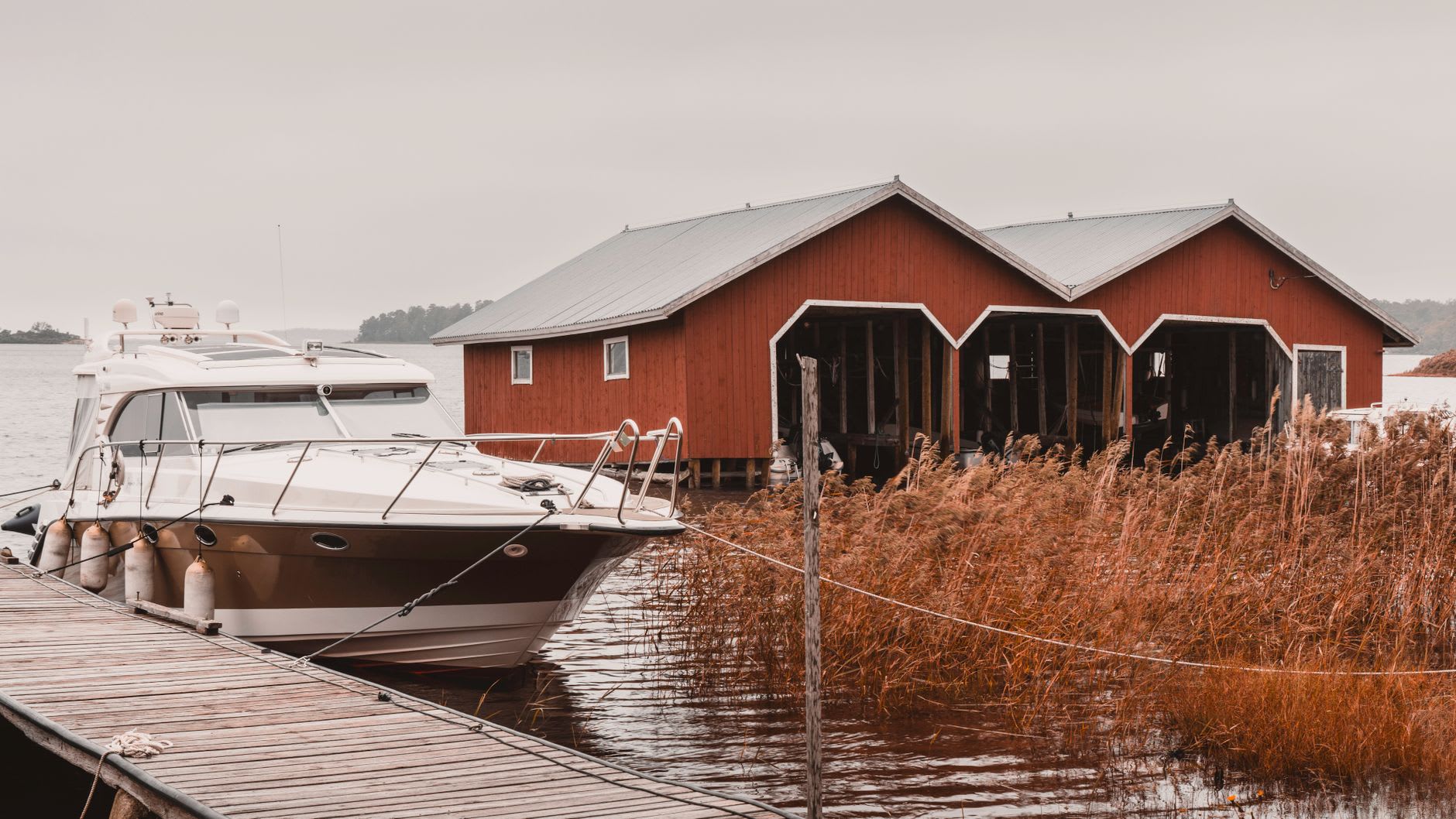
The islands’ real draw is not Mariehamn but the outer archipelago, which you reach by bicycle and ferry. I rented a bicycle in the capital and spent two days following routes across the main island and then hopping short free ferries — open-deck flat-boats that carry a few vehicles and cyclists and run on a schedule that is approximate rather than precise — to smaller islands. Kastelholm Castle, a medieval Swedish fortress on the main island, appeared around a bend in the road between two farms with an abruptness that felt almost rude. It’s been a royal residence, a prison, and a ruin, and now sits restored and mostly empty on a hill above a small lake with the calm of a place that has run out of dramas.
The cycling is the right pace for this landscape. The main island is flat, the roads are quiet, and the smell of pine resin in summer is almost medicinal. I stopped at a farm stand for new potatoes and picked-that-morning strawberries — the Nordic summer strawberry is something I am evangelical about, small and intensely red and sweet in a way that feels like the compressed energy of a too-short growing season.
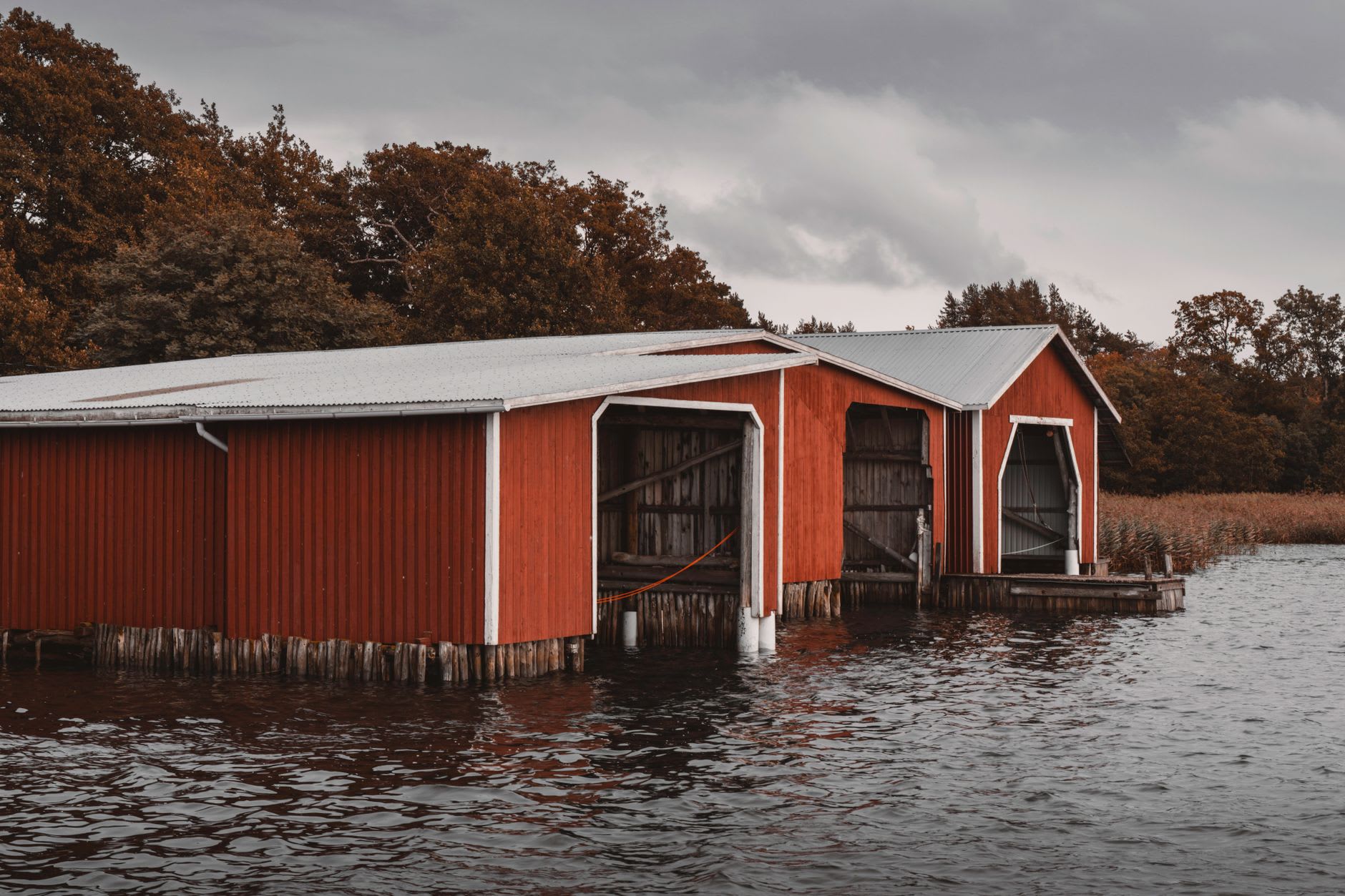
The evening light in June lasts forever. I sat at a picnic table at a harbour café on Eckerö — the westernmost of the main islands, thirty kilometers from the Swedish coast — at ten at night with a beer and a view across open water and no real reason to go anywhere, and understood why Ålanders have a word that roughly translates as “island fever” for the feeling of being trapped here — because to feel trapped, you first have to feel very free.
When to go: June through August for cycling, swimming, and the long summer days that define the islands’ character. September brings quieter roads and mild weather. Ferries run year-round but the experience is most complete in summer when the outer island cafés and farm stands are open.