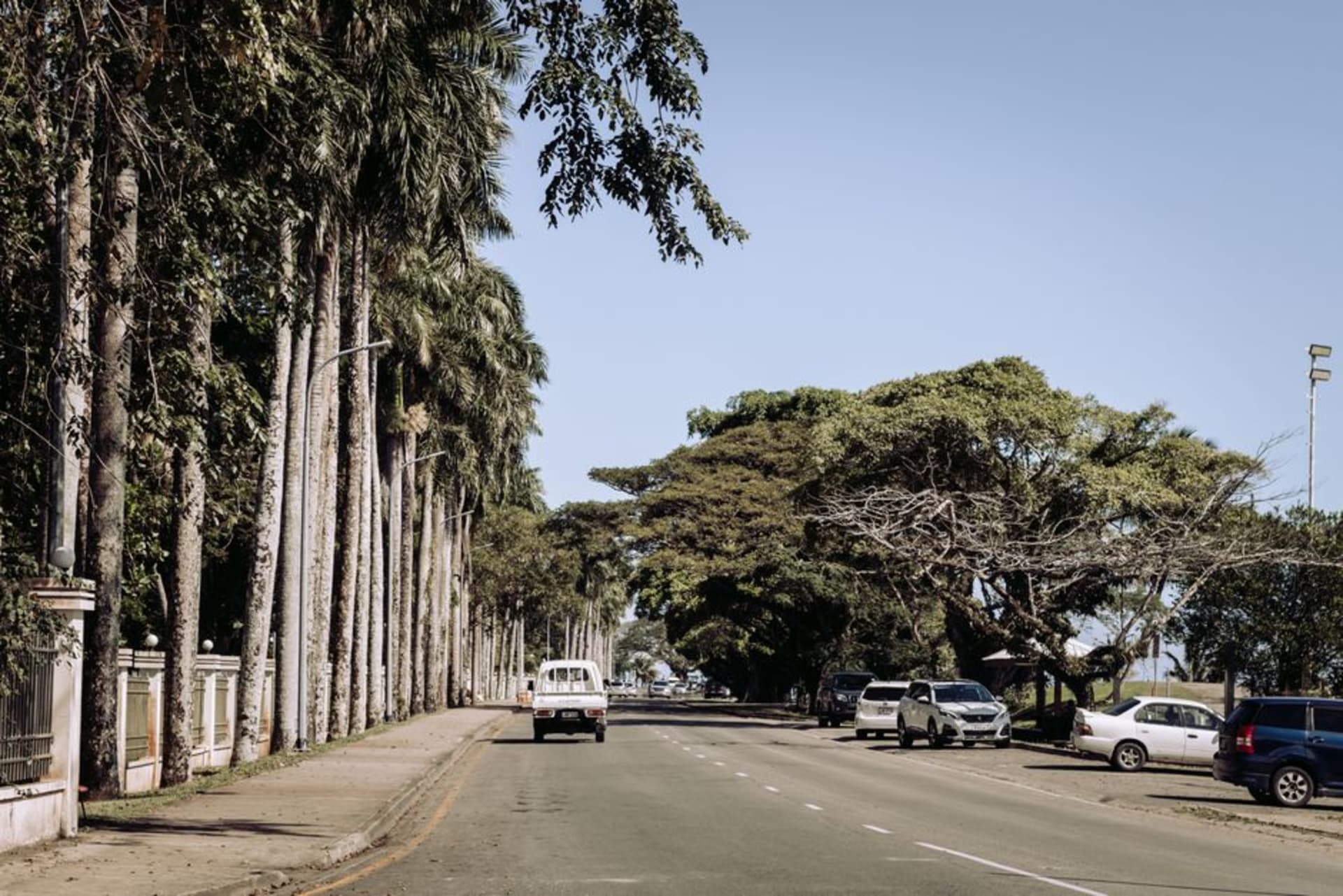
Sigatoka Town
"Nobody in the market was selling to tourists. They were just selling to each other, and I happened to be standing there with cash."
The market town at the mouth of Fiji's biggest river, where Saturday morning means yaqona roots, mud crabs, and the best produce on the Coral Coast.
Sigatoka Town doesn’t try to be a destination. It’s a working river town — the market, the bridge, a row of Indian-Fijian sweet shops and curry houses, and the ferry of small buses idling on the roadside waiting for villagers coming down from the valley. Lia and I had planned to pass through on our way to Natadola and ended up staying four hours, mostly because the produce market on a Saturday morning is one of the few places in Fiji where you feel like an afterthought rather than a guest, and there’s something restful about that after a week of being greeted with theatrical warmth at every resort gate.
The market itself sits right on the river, a covered concrete hall with stalls run almost entirely by women from the surrounding villages, selling kava root bundled in dried leaves, taro, cassava, breadfruit, chillies by the fistful, and — on the good mornings — mud crabs still tied at the claws, pulled straight from the mangroves upriver. I bought a kilo of kava root for about six Fijian dollars from a woman who spent longer explaining how to prepare it properly than she did completing the sale, and I still think about her instructions every time I make a bowl back home.
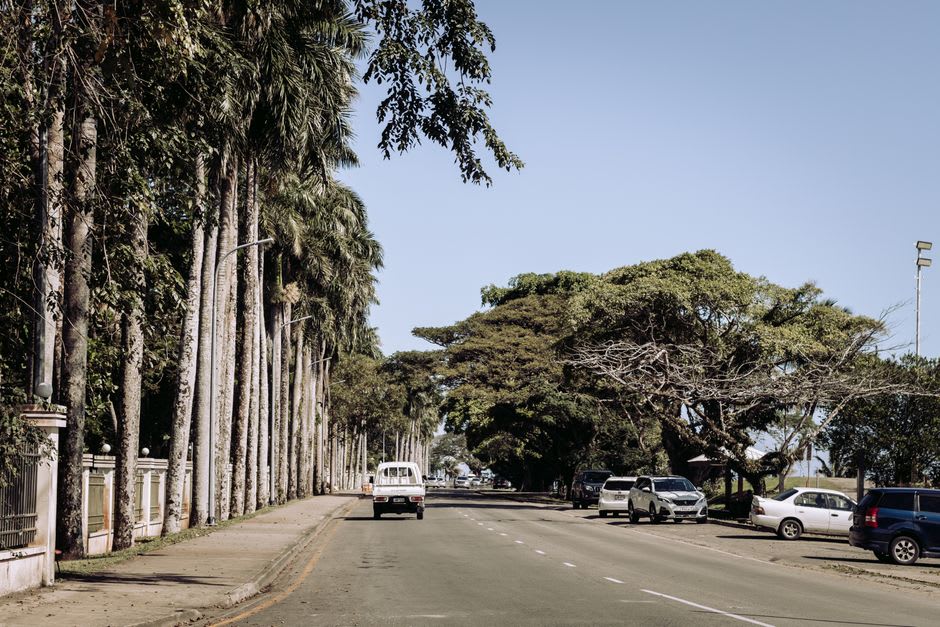
Across the bridge, the town proper is a strip of shopfronts that could be a hundred years old or could have been built last decade — corrugated roofs, hand-painted signs, a Hindu temple a block back from the main road with marigold garlands drying on the fence. We ate roti and dhal at a counter with four stools, standing-room only otherwise, and the owner refused to let us leave without trying his mango chutney, made from fruit off his own tree. Sigatoka is also the gateway to the valley road that runs inland along the river toward Tavuni, so it’s worth treating as a stop rather than a drive-through — the town has more texture than the highway suggests.

When to go: Saturday morning is when the market is fullest, with vendors arriving from villages up the valley before dawn. Any day works for the town itself, but avoid the early afternoon lull when most stalls close up for the heat.