Pacific
Fiji
"The water was so clear I forgot I was looking down and not up."
I landed in Nadi at two in the morning, groggy and slightly skeptical. Fiji had always felt, in my mind, like the destination you choose when you want paradise without the effort — a resort-island cliché wrapped in flower garlands and infinity pools. The customs officer looked at my passport, grinned, and said bula with a warmth so unguarded that I immediately felt I had been wrong about something.
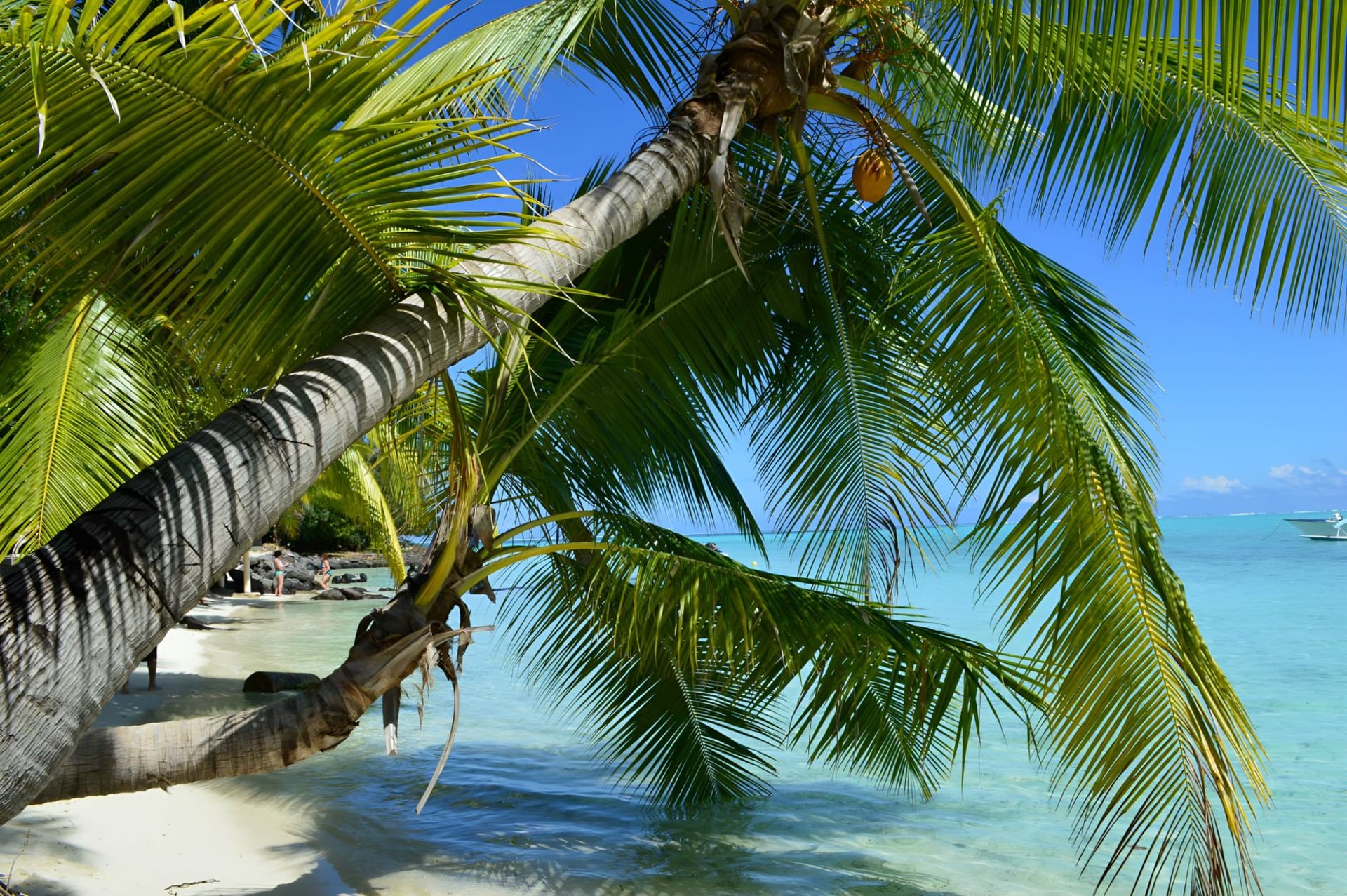
That bula — the Fijian greeting that means something between “hello,” “life,” and “I see you” — turned out to be the key to understanding the place. The water is spectacular, yes. The reef systems off the Mamanuca and Yasawa chains are some of the most intact in the South Pacific, and snorkeling at low tide over a garden of staghorn coral with a sea turtle floating a meter away is the kind of experience you stop trying to photograph after about thirty seconds because no image captures it. But what Fiji does that the Maldives, for all its manufactured elegance, cannot quite replicate, is the human texture. The villages on the outer islands still operate on a gift economy of sorts — you bring kava root, you sit with the chief, you drink the grog from a communal bowl that tastes like muddy water with a slight numbing effect, and for a couple of hours you are genuinely a guest rather than a customer.
I spent most of my time on the smaller islands off the Coral Coast, away from the resort strip. The family-run bures on Mana Island and the Yasawas are simple — a thatched roof, a ceiling fan, a mosquito net — and that simplicity is the point. You eat fish that was caught that morning. You watch the light change over the lagoon in the late afternoon, that particular deep copper that only happens close to the equator. You stop knowing what time it is. I kept waking before dawn to swim in water that felt warmer than the air and watching the sky go from black to indigo to gold while the village dogs barked their shift change somewhere up the hill.
When to go: May through October is the dry season — lower humidity, reliable sunshine, and the best visibility for diving. July and August are peak months but the islands are large enough that crowds thin quickly once you leave the main resort zones. November through April brings cyclone risk and heavy rain, though rates drop significantly and the vegetation is explosively green.
What most guides get wrong: They sell Fiji as a luxury honeymoon destination and stop there. The expensive overwater bungalows are fine if that is what you want, but the real Fiji is astonishingly affordable if you stay in village guesthouses and take the local ferry networks between islands instead of the seaplane transfers. The cultural protocols around village visits — removing shoes, dressing modestly, presenting kava — are not a tourist performance. They matter to people, and observing them properly opens doors that no amount of money can buy.