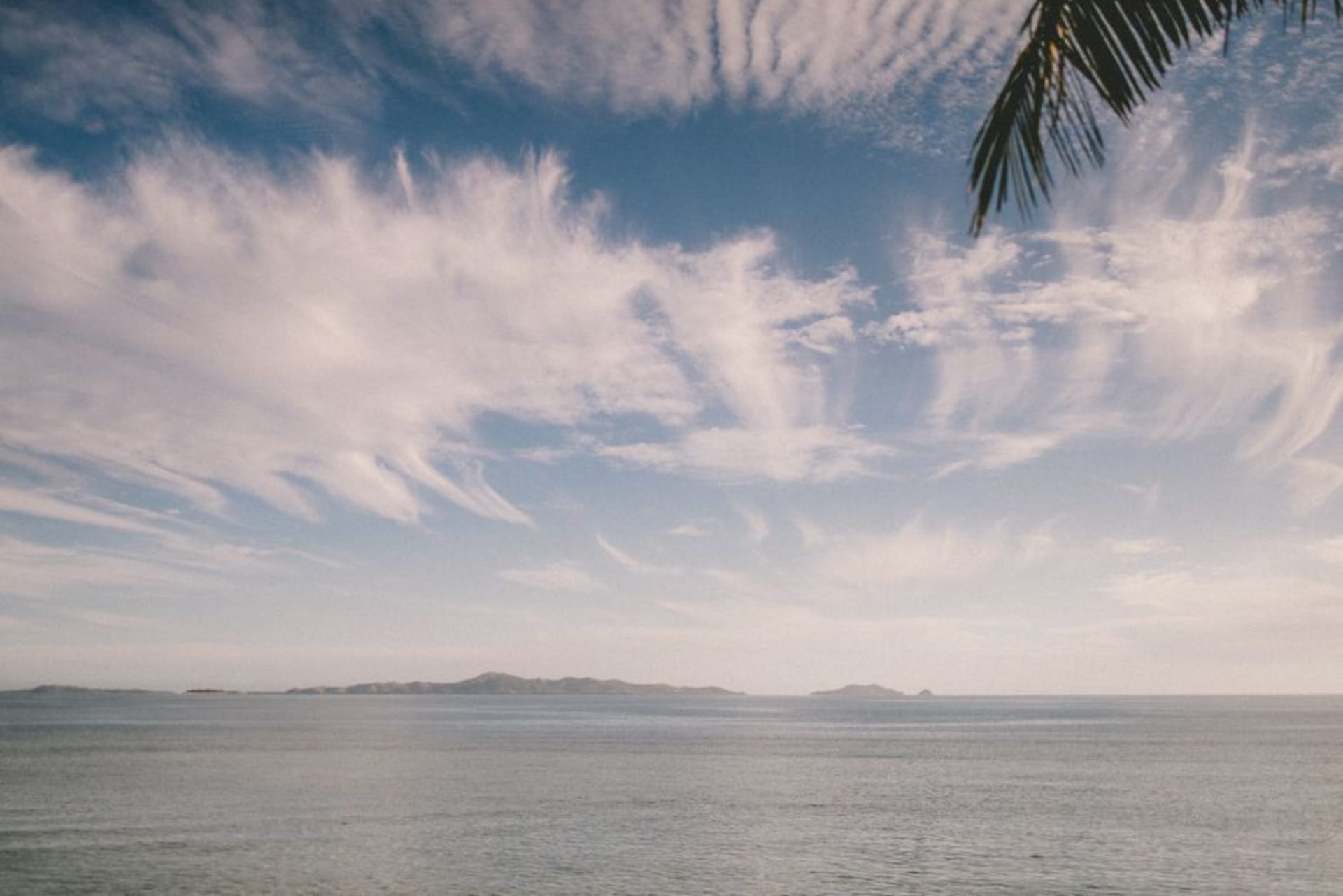
Serua Island
"For six hours a day it's an island. For the other six, it's just a very committed walk across the sea floor."
A tidal island village and former Fijian capital that you can only reach on foot at low tide, across a reef flat that disappears twice a day.
I’d read one line about Serua in an old guidebook Lia had picked up secondhand in Suva — “former capital, reachable at low tide only” — and it stuck with me the way underspecified facts sometimes do, so we detoured off the Queens Highway on our way back from the Coral Coast to find it. There’s no sign pointing to it from the road; you ask at the village of Namatakula, which sits on the mainland directly opposite, and someone will point you down a side track to the shore and tell you, with a glance at the position of the sun, roughly how long you have before the water comes back.
Serua was the capital of the old Fijian confederacy of the same name before cession to Britain in 1874, and the island still carries some of that former weight in its layout — a proper village grid, a stone-walled cemetery with graves going back further than most on the mainland, a defensive logic to its position that made sense in an era when raiding parties came by sea. Getting there means crossing perhaps four hundred metres of exposed reef flat, ankle-deep in places, littered with small crabs that scatter as you walk and starfish stranded in the shallow tidal pools, and the crossing itself becomes part of the point — you arrive having done something mildly effortful, which changes how a place lands on you.
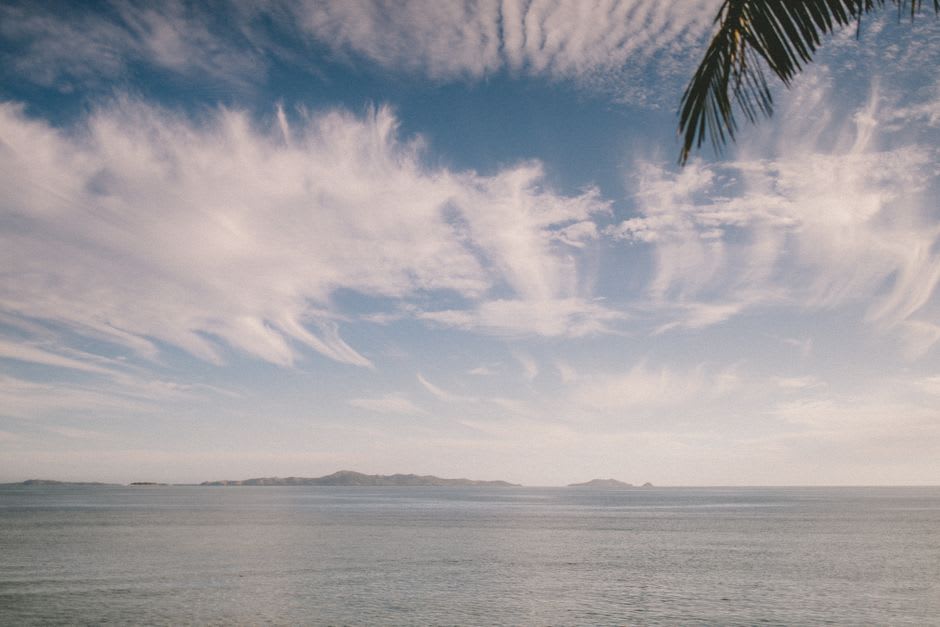
The village chief’s representative met us partway across, more out of friendly curiosity than any formal protocol — Serua doesn’t get many unannounced visitors — and walked us the rest of the way in, pointing out the old mission church, built from coral limestone block in the 1880s and still in weekly use, and a large ironwood tree at the village center that he said predated cession, though I could not confirm this and didn’t push. We sat with him and two other men for perhaps an hour, drinking kava from a bowl passed around with the same unhurried formality I’d encountered everywhere else in rural Fiji, while he told us about growing up needing to time every errand off the island around the tide tables the way other people time things around traffic.
We left with about forty minutes of tide margin, cutting it closer than I’d have liked, and I watched the water start to reclaim the flat behind us as we reached the mainland side — a slow, almost imperceptible advance that nonetheless makes clear, if you linger, exactly why nobody schedules a casual return trip here without checking a tide chart first.
When to go: Any time of year, but check the tide tables before you go — low tide needs to fall in daylight hours for a comfortable crossing. Ask locally in Namatakula rather than relying on a printed tide chart, since the safe walking window is narrower than the technical low-tide window.
Keep exploring
More from Fiji
 fiji
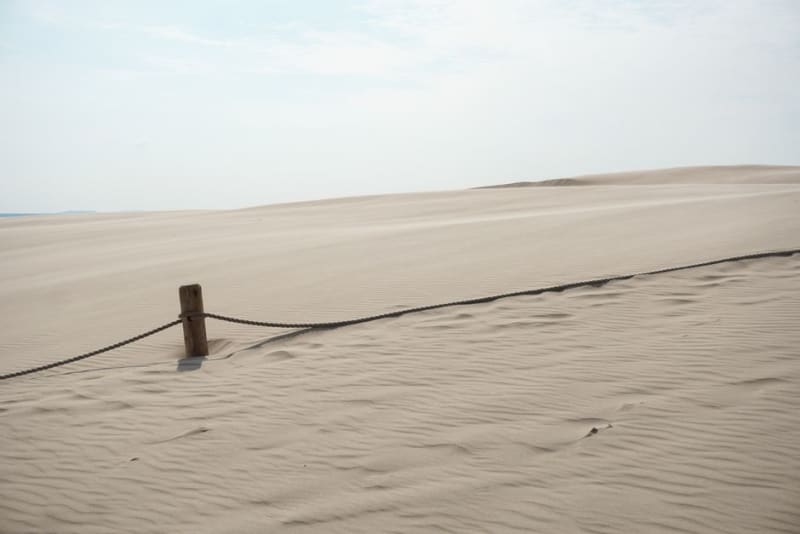
fiji Sigatoka Sand Dunes National Park
Fiji's first national park, a wind-sculpted dune system hiding one of the South Pacific's most significant archaeological burial sites.
Explore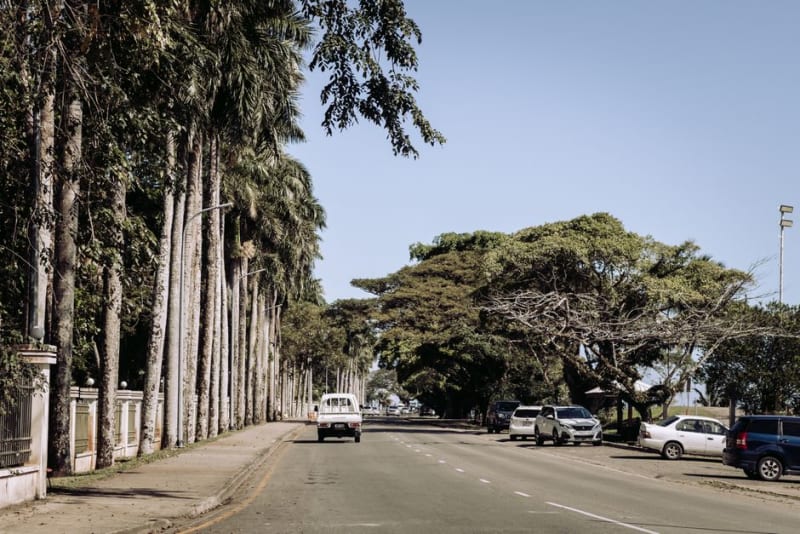 fiji
fiji Sigatoka Town
The market town at the mouth of Fiji's biggest river, where Saturday morning means yaqona roots, mud crabs, and the best produce on the Coral Coast.
Explore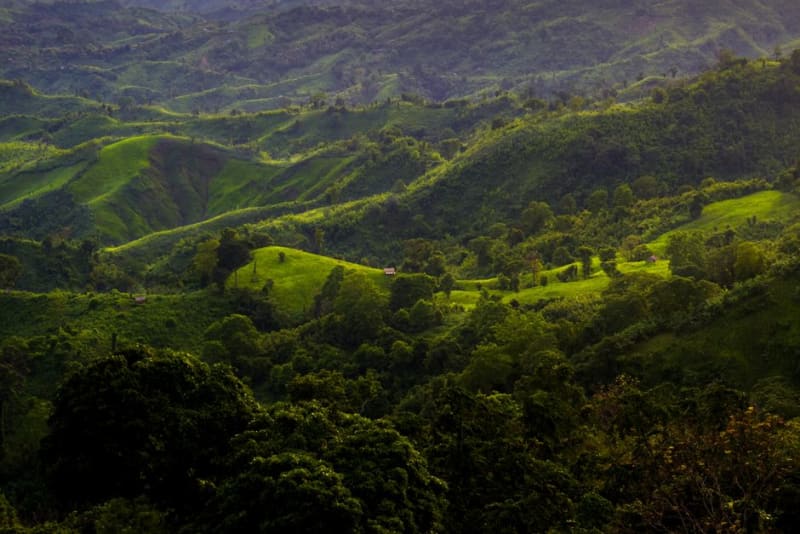 fiji
fiji Sigatoka Valley
The inland farming valley upriver from Sigatoka Town, best seen from a flat-bottomed jet boat weaving between villages that see very few outsiders.
Explore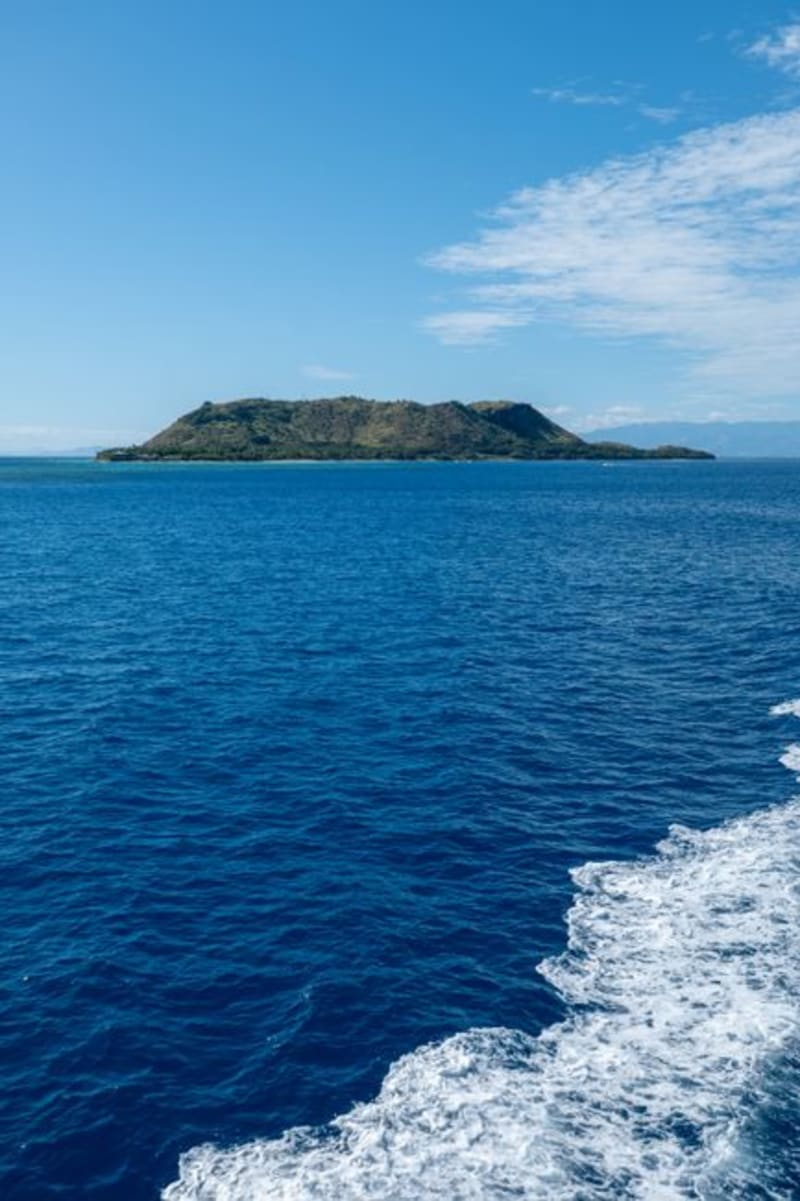 fiji
fiji Sonaisali Island
A low-key resort island reached by a two-minute cable ferry across the Nadi River mouth, close enough for a half-day escape and quiet enough that most tourists never bother.
Explore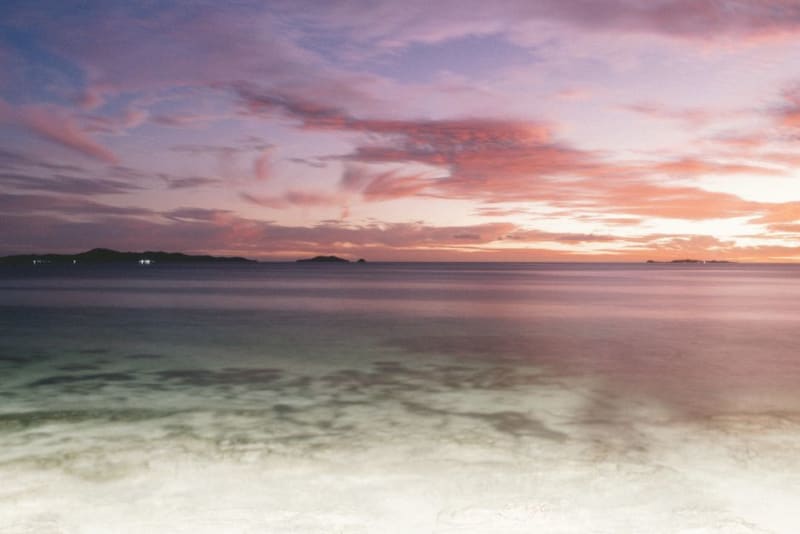 fiji
fiji South Sea Island
A tiny sandbar-sized island forty minutes off Denarau where the whole visit is measured in a single loop around the shoreline and the snorkeling punches well above its size.
Explore fiji
fiji Suva
A rainy, layered capital city where colonial architecture, kava bars, and a world-class ethnographic museum make you forget the beach entirely.
Explore