Rewa Delta
"The river split into so many channels I stopped trying to track which one we were on and just watched the mangroves go by."
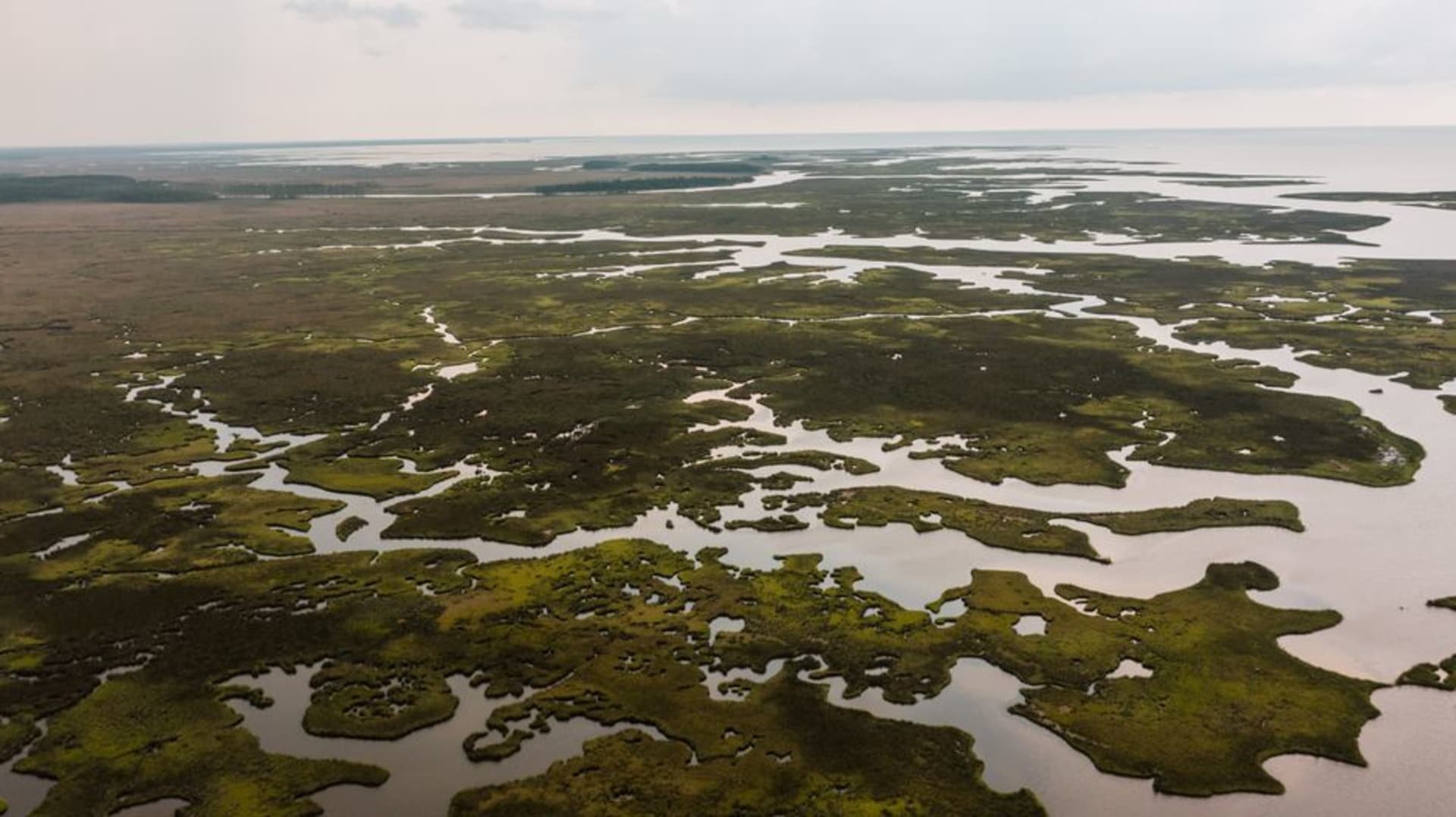
A maze of mangrove channels and stilted villages at the mouth of Fiji's largest river, reached by longboat and best understood through the rhythm of tides rather than a map.
We hired a boatman named Peni through a contact of the mechanic in Nausori, a arrangement so informal it consisted of a phone number scrawled on a receipt and a promise to meet at “the second landing” at seven the next morning. Peni turned out to run a small aluminum longboat with an outboard that coughed for a solid minute before catching, and for the next four hours he took us deep into the Rewa Delta, a hundred square kilometers of braided river channels, mangrove forest, and low-lying villages that most visitors to Fiji never see because there is no resort out here selling the experience.
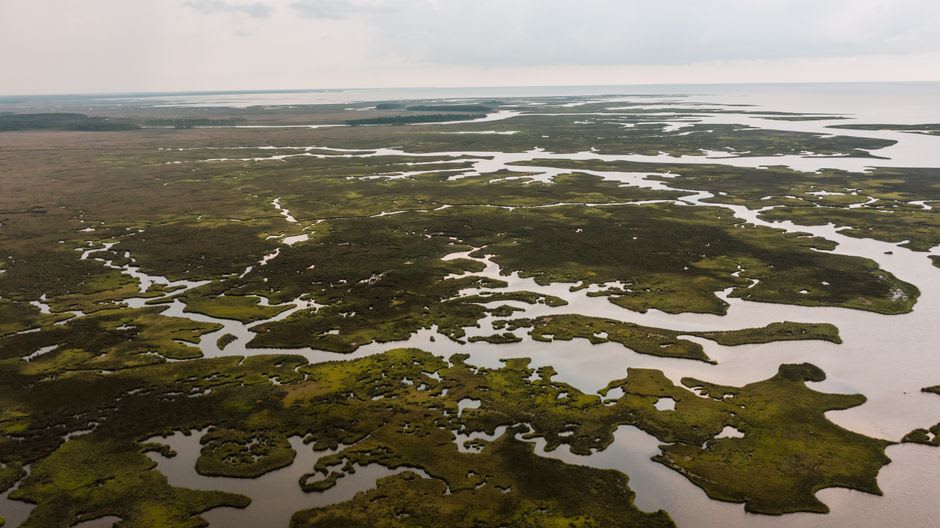
The Rewa is Fiji’s longest river, and by the time it reaches the sea near Nausori it has split into so many distributaries that the delta functions almost as its own ecosystem — brackish, tidal, thick with mangrove root systems that Peni navigated from memory, cutting the outboard entirely in the narrower channels and poling us through with a bamboo stick while explaining, in the unhurried way of someone who has done this ten thousand times, which channels flood at high tide and which dry to mudflats you could walk across. The mangroves here are a nursery for much of Fiji’s inshore fishery, and we passed several small dugout canoes with single fishermen working handlines for the mullet and mud crab that make their way to Nausori market by mid-morning.
We stopped at Naililili, a small delta village built around a striking red-brick Catholic mission church that has stood since the early twentieth century, its bell tower visible from a surprising distance across the flat delta landscape — an odd, almost European silhouette rising out of palm trees and stilted bures. The village chief’s nephew, a young man named Mosese who happened to be mending a net when we arrived, walked us through the church and explained that the bricks had been shipped in and laid by French Marist missionaries and local labor together, one of the more unusual colonial-era buildings I saw anywhere in Fiji. He also, unprompted, made us tea and gave Lia a stem of vibrant red ginger flower that she carried for the rest of the boat trip like a small flag.
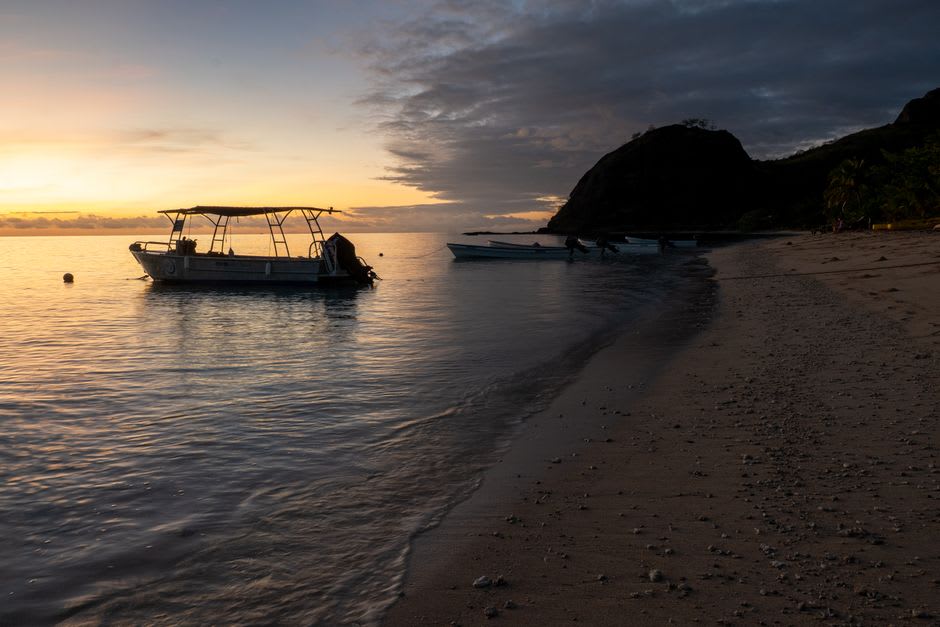
What struck me most about the delta was the total absence of urgency. Peni cut the engine at one point simply to let us drift past a heron rookery, dozens of egrets lifting off in unison from a single mangrove stand as our boat’s wake reached them, and nobody said anything for a full minute. Tourism has largely bypassed this stretch of river, not because it lacks beauty but because there is no obvious infrastructure to sell it — no dock, no ticket booth, no gift shop. You need a local boatman, a working knowledge of the tides, and a willingness to let an afternoon unfold at the pace of a river rather than a schedule. That absence of packaging is exactly what made it, for me, one of the most memorable mornings of the entire trip.
When to go: May through October for the driest conditions and calmest water; arrange a boatman through Nausori rather than trying to find one independently, and plan around the tides — Peni told us low tide reveals mudbanks that make some channels impassable until the water returns.