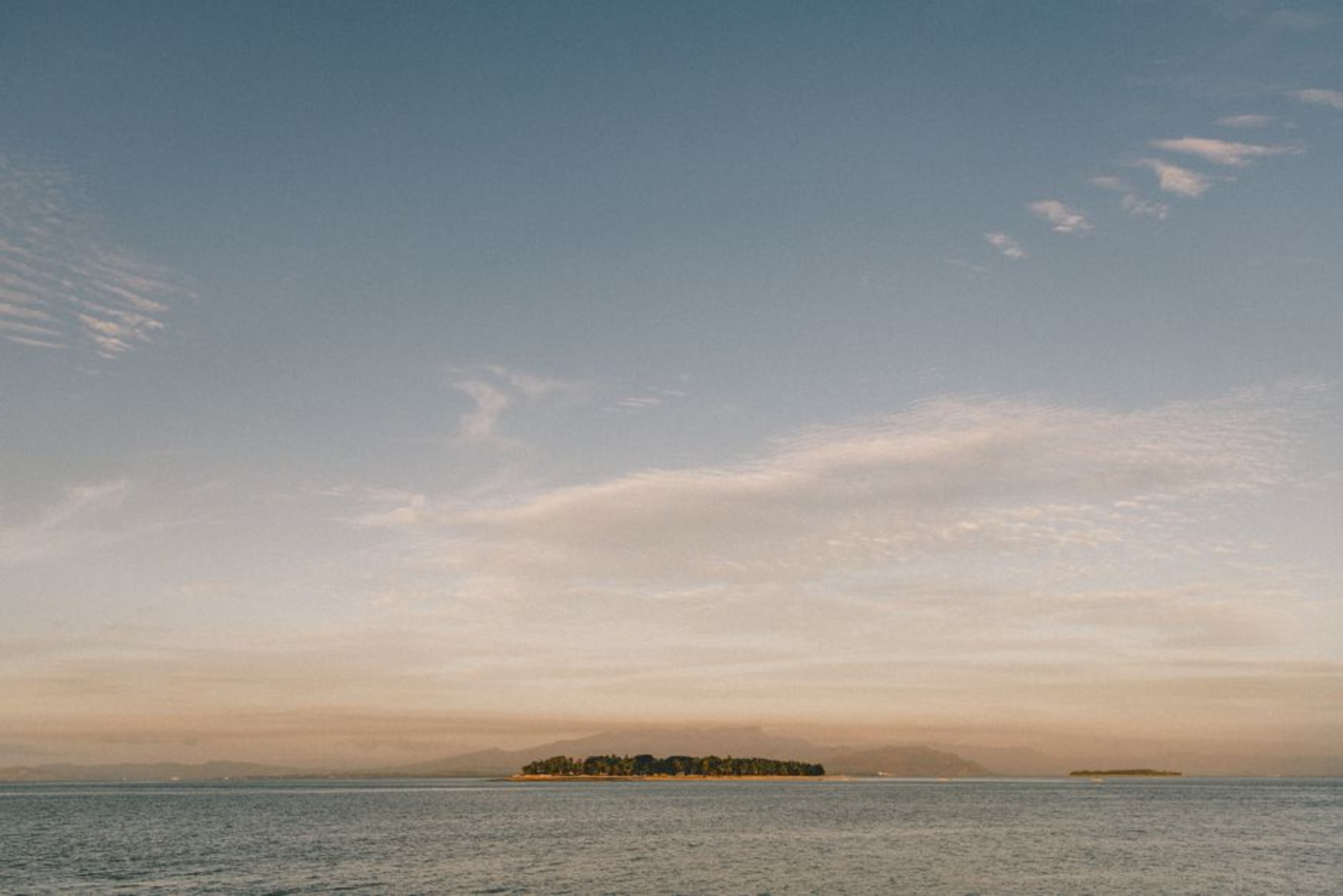
Rabi Island
"An entire people relocated three thousand kilometres and somehow kept their language, their songs, and their grievance alive across three generations."
The island Fiji gave to the displaced Banaban people of Kiribati after phosphate mining destroyed their home — a place carrying one of the Pacific's least-known relocation stories.
The story of Rabi Island took me most of a rainy afternoon in Savusavu to piece together properly, from a schoolteacher who’d grown up there and now taught in town, before I made the trip out to see it myself. In 1945, the Banaban people of Ocean Island — a tiny phosphate-rich atoll now part of Kiribati, over three thousand kilometres northeast — were relocated by the British colonial administration to Rabi, an island in Fiji’s Vanua Levu group that had previously belonged to a German copra company. Their home had been strip-mined for phosphate to the point of near-uninhabitability. They arrived on Rabi to find a mountainous, forested island utterly unlike their flat coral atoll, and were told, essentially, to make it work. Eighty years on, they largely have, while never fully letting go of Ocean Island as the place they still call home.
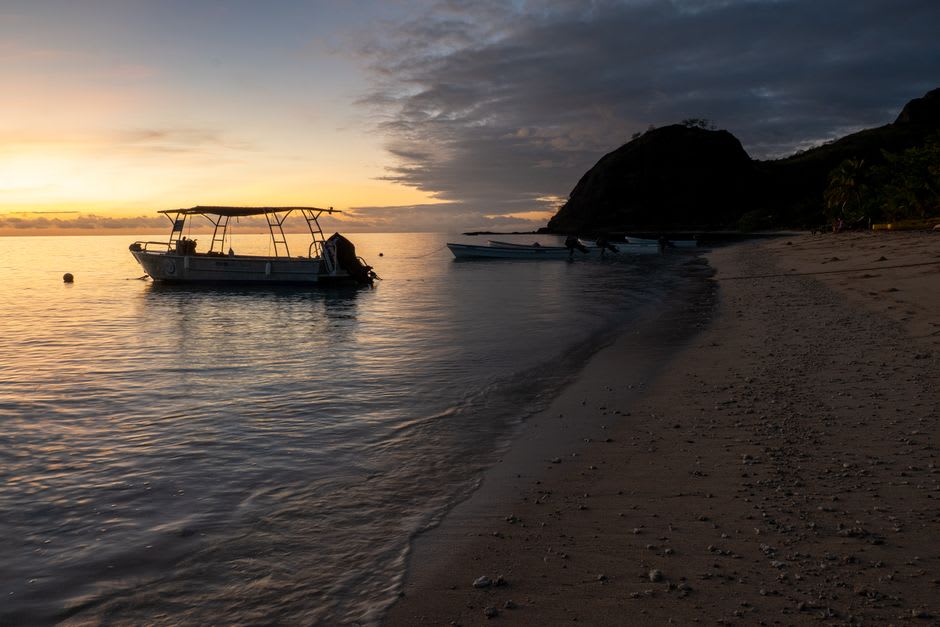
The boat from Buca Bay took just under an hour, crossing choppier water than the short hop to nearby Kioa, and put us ashore at Nuku, one of four villages on the island, each one named for a village back on Ocean Island — a way of carrying the map of a lost home onto a new one. The Banaban flag, distinct from Fiji’s, flew outside the council building, and I was received by a local government officer who explained, patiently and without bitterness that I could detect, that Rabi still operates with a degree of administrative autonomy within Fiji, and that Banabans retain the right, on paper, to return to Ocean Island — a right almost nobody exercises given the mined land that awaits them there.

The island itself is beautiful in an underused way — steep volcanic peaks, a coastline of small bays, forest that has reclaimed most of the old plantation land. We walked along the coast road between two villages with a group of kids who peeled off periodically to climb trees for green oranges and returned each time with more than they could carry. In the evening, an old man sang a Banaban song at a small gathering that had assembled, half by coincidence, around our visit, translating the lyrics afterward as a lament for the mined phosphate cliffs of Ocean Island that no one in the room, except him, had ever actually seen.
I left Rabi thinking about how casually the word “relocation” gets used for something that in practice means carrying an entire culture — songs, land disputes, family names, grief — across an ocean and setting it down on ground that was never meant to hold it, then watching, eighty years later, whether it took root.
When to go: Arrange transport and a local contact through Savusavu or Buca Bay well ahead of time, as Rabi has essentially no tourist infrastructure. May through October offers the calmest seas for the crossing.