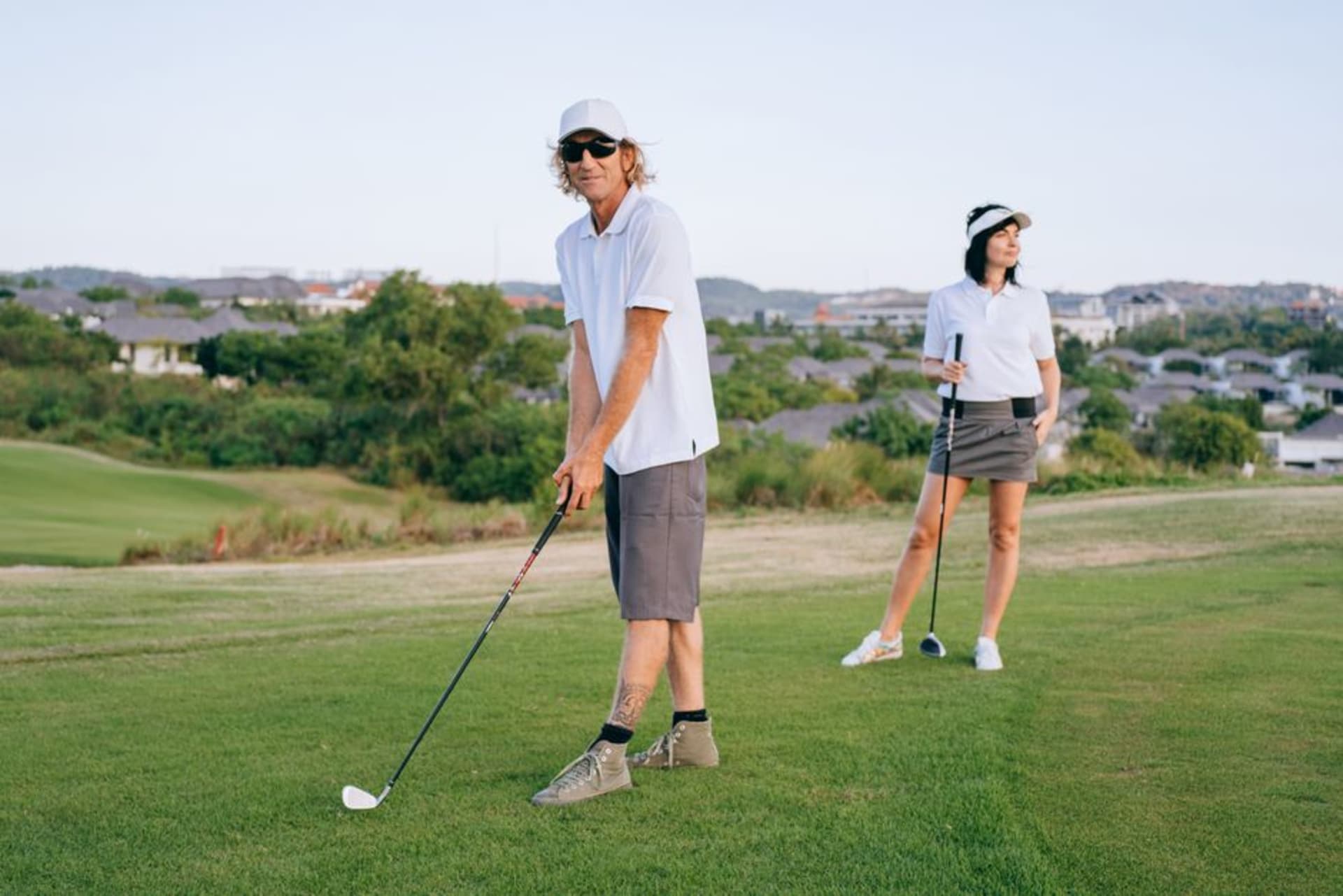
Pacific Harbour Golf & Country Club
"I have never once cared about golf. I cared, for about four hours, at Pacific Harbour."
An unexpectedly good eighteen-hole course carved into Pacific Harbour's original 1970s resort plan, where mongooses cross the fairways and the ninth hole runs along the river.
I did not go to Fiji expecting to play golf, and I want to be upfront that I am not a golfer in any meaningful sense — I can hit a ball in approximately the intended direction and that is close to the extent of my ability. But Jone, the retired raft guide who ran our guesthouse in Pacific Harbour, mentioned the course almost as an afterthought one evening, the way you’d mention a decent local bar, and something about his description — a golf course that mongooses casually interrupt, built into the same 1970s master plan that gave the town its odd suburban grid — got my attention in a way actual golf never has.
The club was part of the original development vision for Pacific Harbour, laid out when foreign investors imagined the town becoming a Pacific answer to the Gold Coast, and it survived the decades in which that grander vision quietly failed to materialize, becoming instead a modest, well-maintained course that locals and the occasional curious traveler use rather than a resort centerpiece. The fairways run along the edge of the forest that climbs toward the highlands, and a mongoose — an introduced species that has become one of Fiji’s more successful, if ecologically controversial, residents — trotted directly across my line on the fourth hole with a total lack of concern for golf etiquette that I found unreasonably delightful.
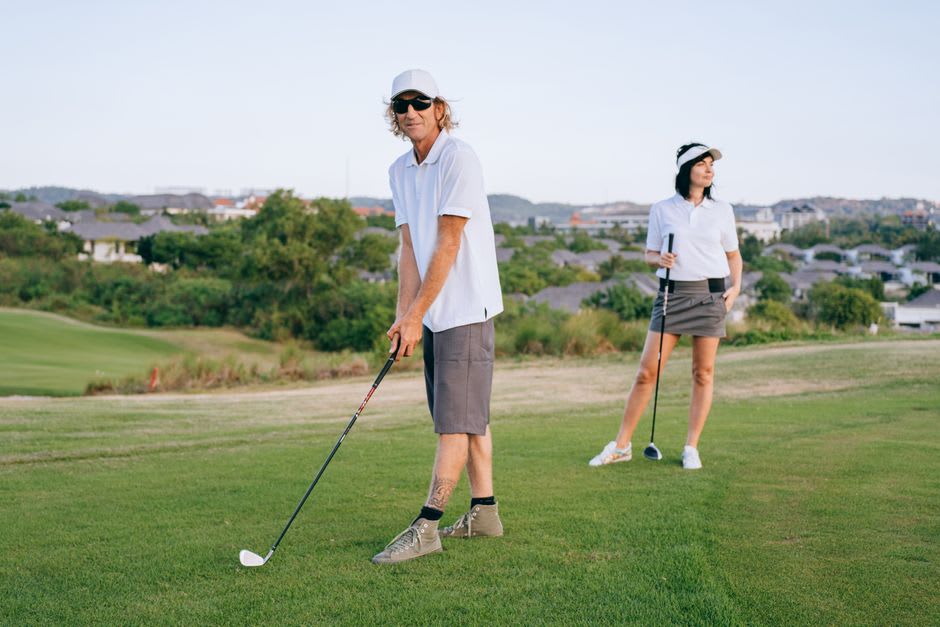
The ninth hole runs directly alongside a bend of a tributary of the Navua system, and I spent more time watching a heron work the shallows than I did tracking my own score, which by the turn had stopped being a number I was proud of by any definition. My playing partner, a retired Australian expat named Doug who has lived in Pacific Harbour for eleven years and plays this course most mornings, treated my incompetence with a patience that suggested he’d hosted plenty of similarly hopeless walk-ins before, and narrated the course’s history — who built which hole, which fairway used to flood before the drainage was redone in the 2000s — with the specific fondness of someone who has fully adopted a place that started as somebody else’s failed real estate scheme.
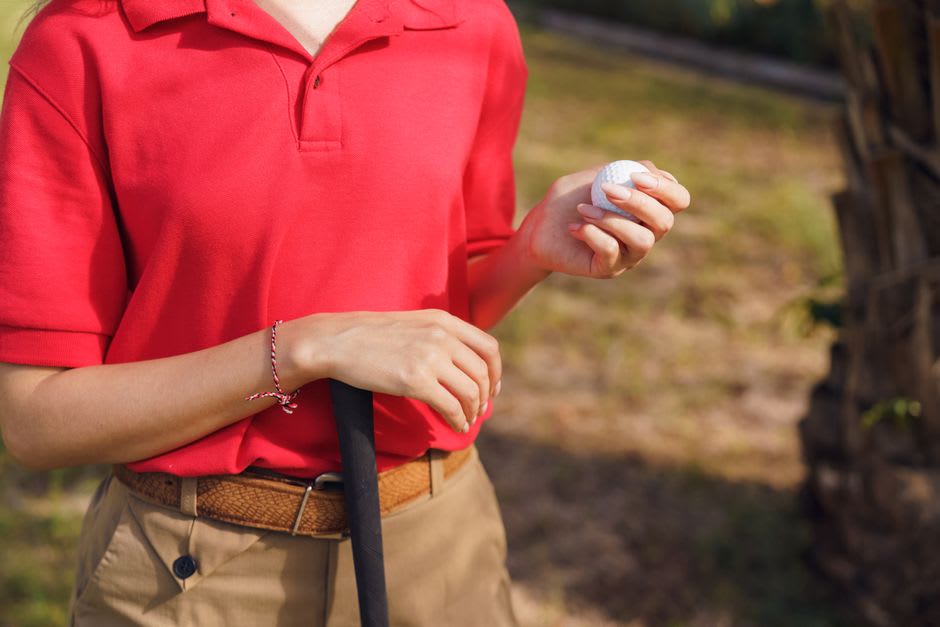
We finished with a cold Fiji Bitter on the clubhouse veranda, watching the light go gold over the hills, and I left having genuinely enjoyed four hours of a sport I have otherwise spent thirty-four years actively avoiding.
When to go: Year-round — the course drains well even in the wet season, though fairways are greener and softer from November through April. Weekday mornings are quietest; club rental sets are available for non-golfers who, like me, show up on a whim.
Keep exploring
More from Fiji
 fiji
fiji Qamea Island
A quiet, jungle-covered island off Taveuni's east coast with a string of near-empty beaches and barely a road to speak of.
Explore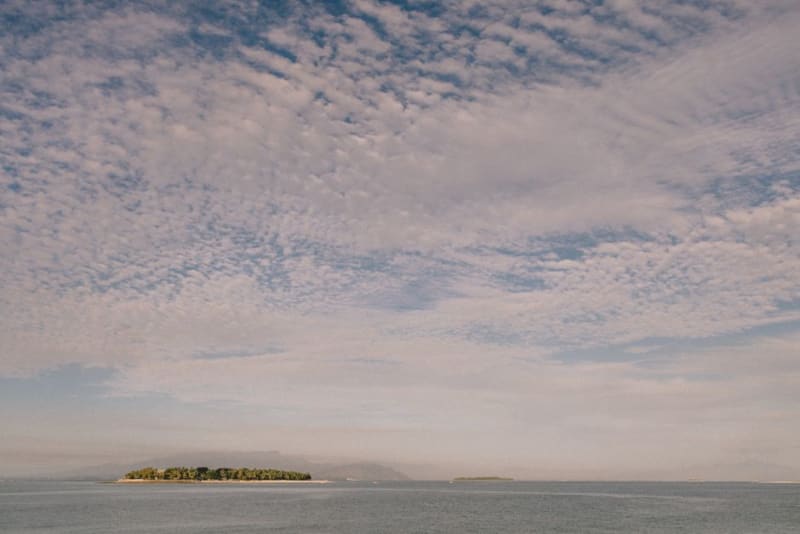 fiji
fiji Rabi Island
The island Fiji gave to the displaced Banaban people of Kiribati after phosphate mining destroyed their home — a place carrying one of the Pacific's least-known relocation stories.
Explore fiji
fiji Rakiraki
A sugarcane and fishing district on Viti Levu's northern tip, gateway to the outer islands and home to a chiefly burial site tangled in legend.
Explore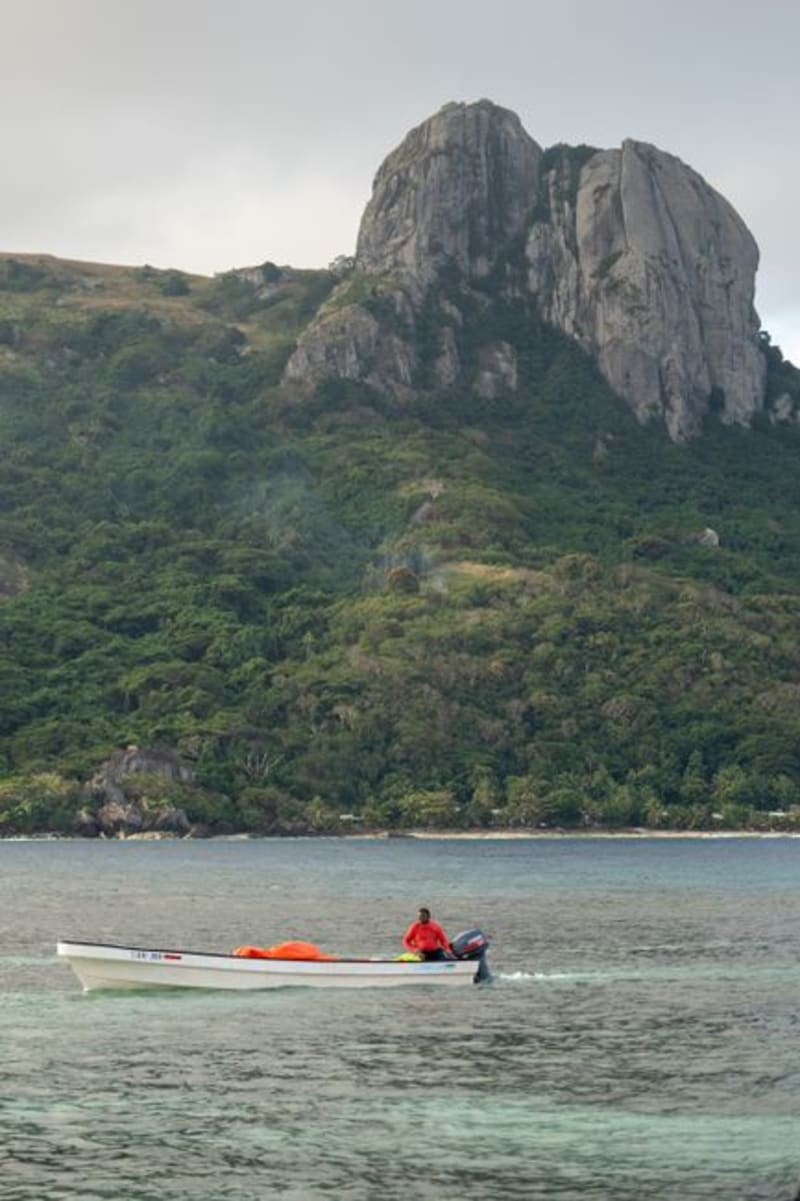 fiji
fiji Rewa Delta
A maze of mangrove channels and stilted villages at the mouth of Fiji's largest river, reached by longboat and best understood through the rhythm of tides rather than a map.
Explore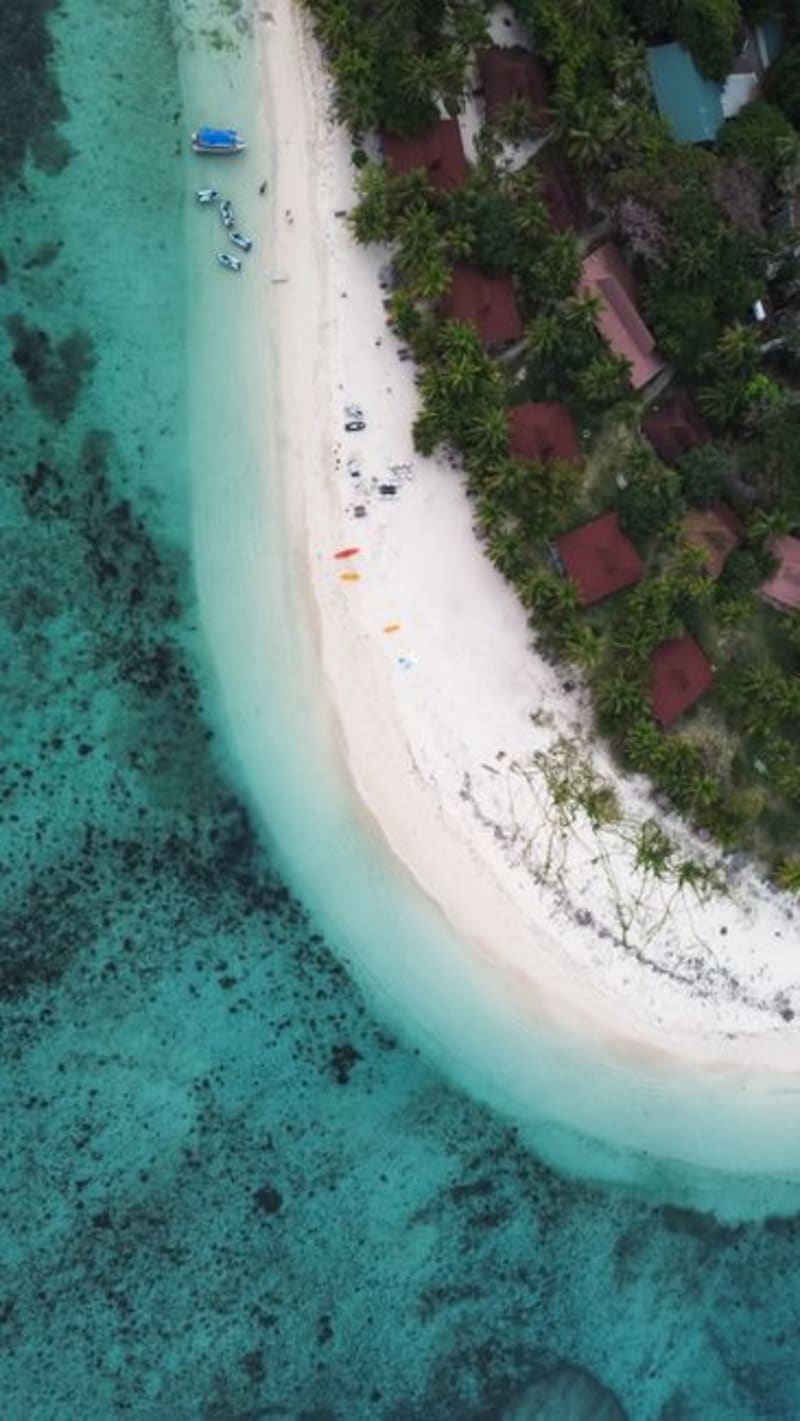 fiji
fiji Robinson Crusoe Island
A day-trip island off the Coral Coast mangroves built entirely around Fijian song, fire, and a lagoon shallow enough to wade to at low tide.
Explore fiji
fiji Sabeto Hot Springs
A grey mud pool tucked into the Sabeto highlands outside Nadi, where locals and travelers alike coat themselves head to toe before rinsing off in a hot spring pool.
Explore