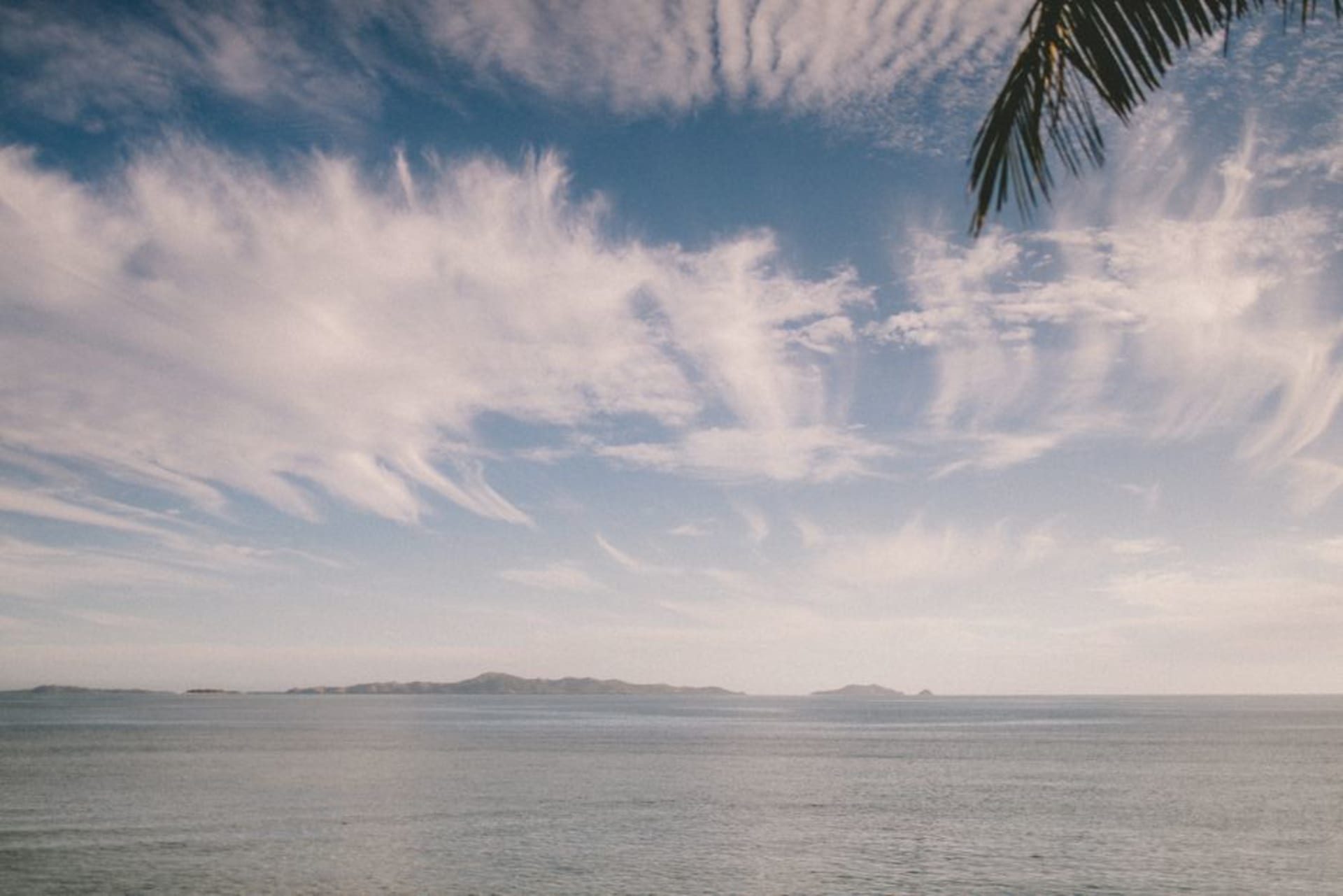
A tiny sandbar island just off Suva harbor with a startling history as a quarantine station, leper colony, and coup-plotter's prison, now a quiet day-trip beach for the capital's residents.
Nukulau is small enough to walk around in under fifteen minutes, a low sandy islet sitting about four kilometers off Suva’s harbor mouth, and it is one of the odder places I visited in Fiji precisely because its physical unremarkableness — palm trees, a narrow beach, a shallow reef flat — sits in such contrast to what has actually happened there. A Suva friend who worked at the museum told me about it over kava one evening, ticking off its history with the slightly amused detachment of someone reciting facts they had grown up taking for granted: quarantine station for arriving ships in the colonial era, leper colony in the early twentieth century, prisoner-of-war holding site during the Second World War, and finally, most famously, the place where George Speight and his co-conspirators were held after the 2000 coup before being transferred to permanent custody.
We took a small boat out from the Royal Suva Yacht Club, a twenty-minute crossing that turned choppy enough halfway across that Lia gripped the gunwale with a look I recognized from other, less successful boat trips of ours. Nukulau today functions mainly as a day-trip destination for Suva residents — no permanent accommodation remains after a resort operation there closed years back, and the island has reverted to something closer to a public reserve, maintained loosely by the Department of Environment. We had the beach nearly to ourselves on a Wednesday, aside from a family from Suva grilling fish over a driftwood fire and a park ranger doing a slow circuit of the perimeter path who stopped to chat once he clocked we were not locals.
The ranger, whose name I never caught properly over the wind, walked us to the overgrown foundations of the old detention facility, a low concrete structure now half-swallowed by vines and salt-bleached grass, and told us, with a kind of weary matter-of-factness, that most Fijians know the island only for the coup connection and have largely forgotten the earlier chapters — the quarantine station, the leper colony — even though those had shaped the island’s use for far longer. There is no interpretive signage anywhere on Nukulau, no plaque, nothing that turns any of this into an official narrative. You have to already know, or be told by someone who does, and that absence of curation felt oddly appropriate to a place whose history is this uncomfortable and layered.
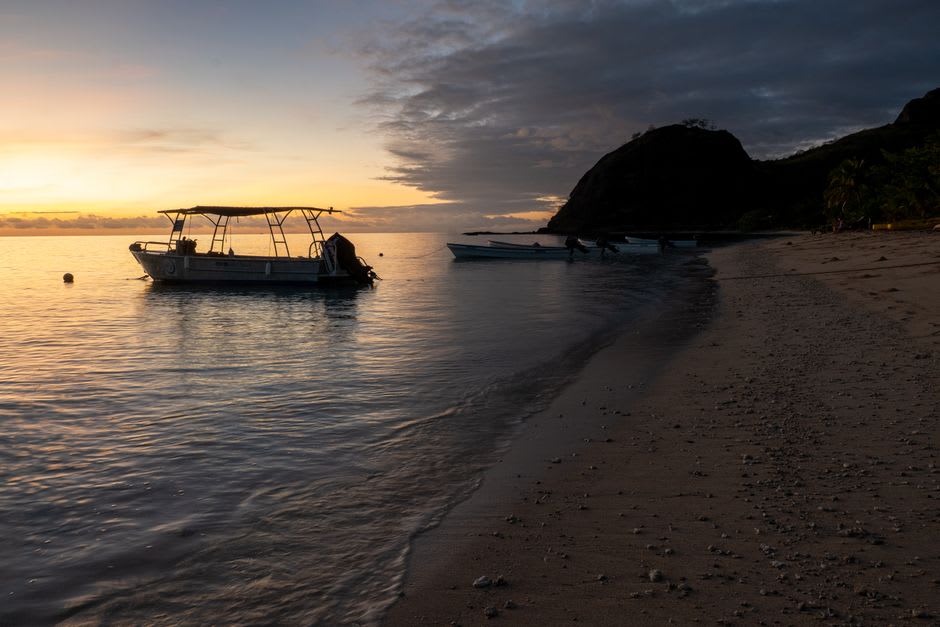
We snorkeled the reef flat on the island’s seaward side for an hour, modest compared to the outer islands but perfectly pleasant, parrotfish grazing over a patch of healthy plate coral in water barely two meters deep, and ate the packed lunch we had brought from a Suva bakery sitting directly on top of what the ranger had just told us were the old quarantine station’s stone footings. It is a strange kind of day trip, equal parts beach outing and unmarked historical site, and I left thinking about how much weight a small patch of sand can hold without advertising any of it.
When to go: Year-round, though calmer seas from May through October make the harbor crossing considerably more comfortable; arrange a boat through the Royal Suva Yacht Club or a Suva-based tour operator, as there is no scheduled ferry service.
Keep exploring
More from Fiji
 fiji
fiji Ono Island
Kadavu's quieter neighbor, ringed by its own arm of the Great Astrolabe Reef and home to a handful of villages that see more researchers than tourists.
Explore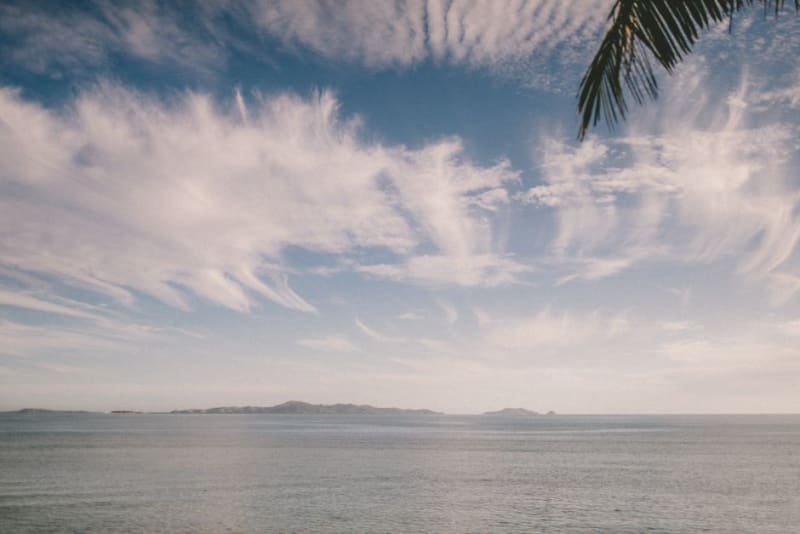 fiji
fiji Ovalau Island
A sleepy volcanic island in the Lomaiviti group where Levuka, Fiji's UNESCO-listed former colonial capital, sits frozen somewhere in the 1880s.
Explore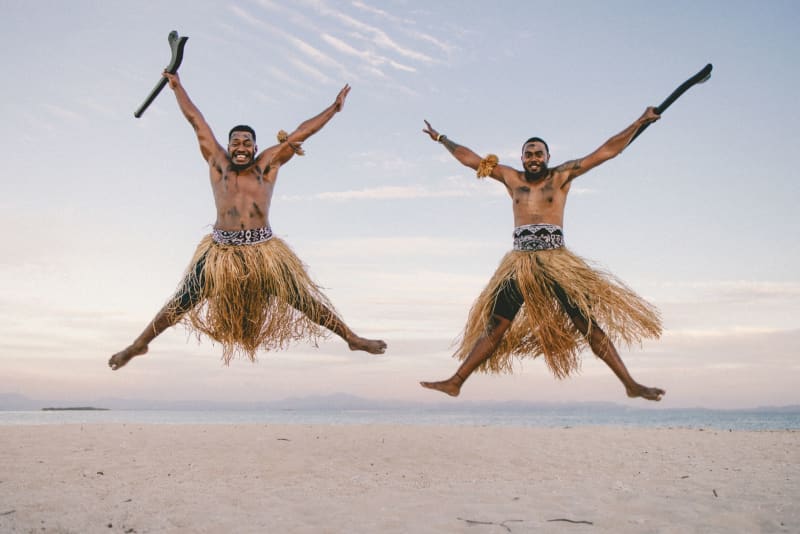 fiji
fiji Pacific Harbour
Fiji's self-styled adventure capital where you can white-water raft a volcanic gorge in the morning and sit in a village kava circle by nightfall.
Explore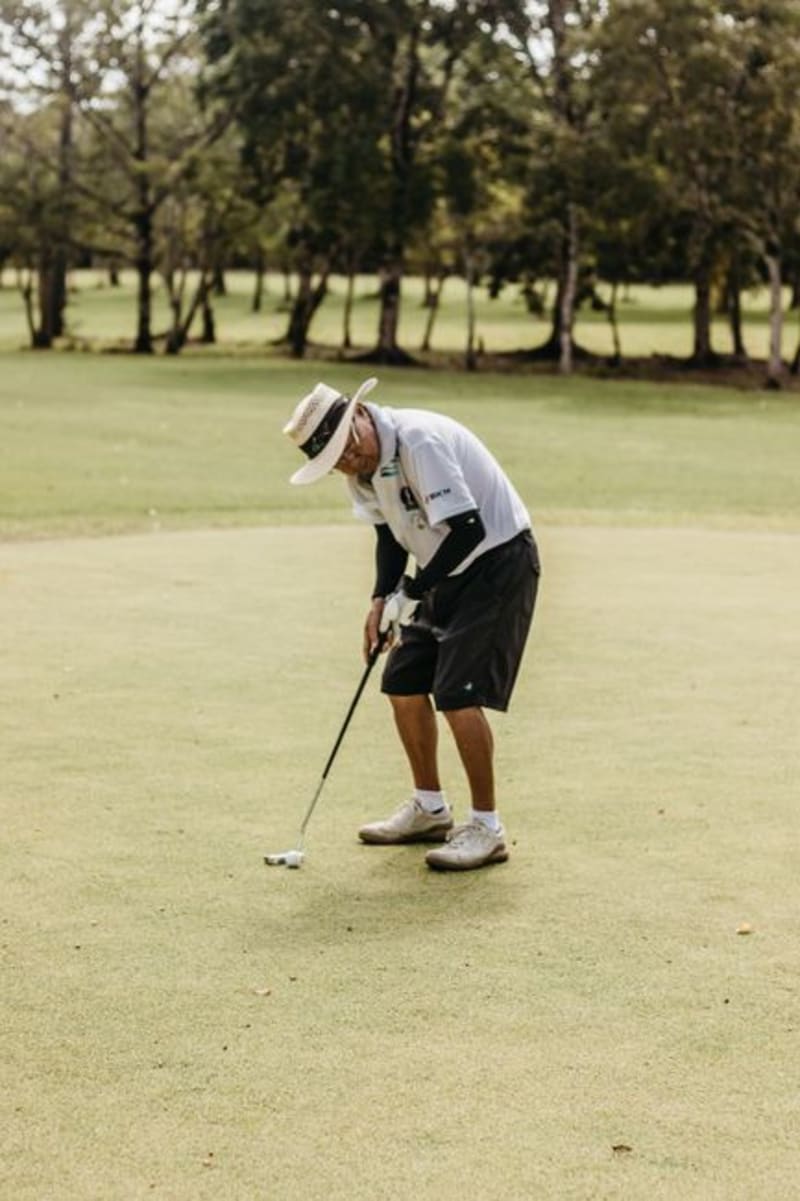 fiji
fiji Pacific Harbour Golf & Country Club
An unexpectedly good eighteen-hole course carved into Pacific Harbour's original 1970s resort plan, where mongooses cross the fairways and the ninth hole runs along the river.
Explore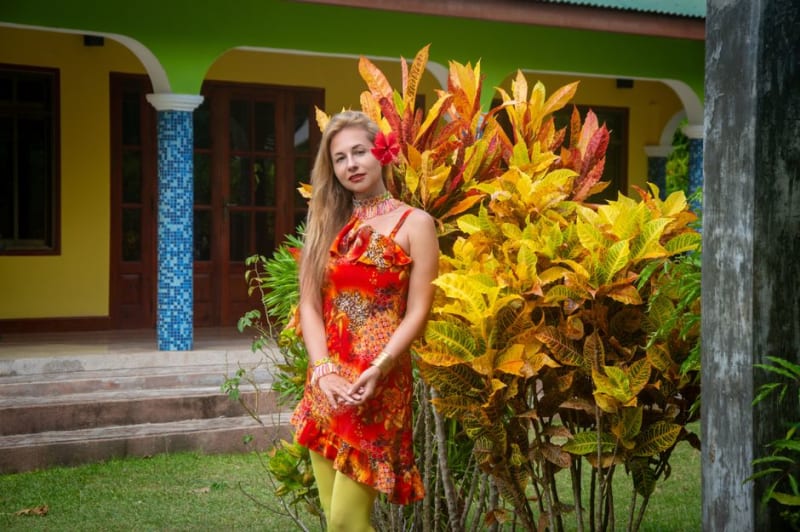 fiji
fiji Qamea Island
A quiet, jungle-covered island off Taveuni's east coast with a string of near-empty beaches and barely a road to speak of.
Explore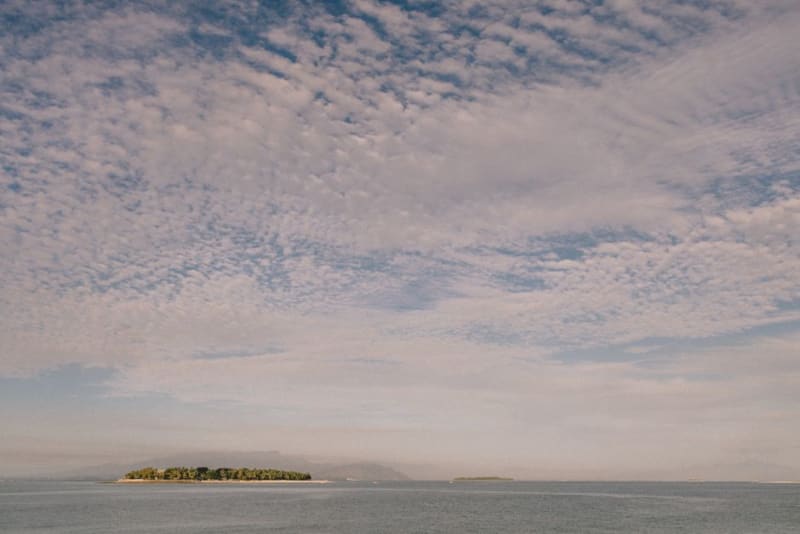 fiji
fiji Rabi Island
The island Fiji gave to the displaced Banaban people of Kiribati after phosphate mining destroyed their home — a place carrying one of the Pacific's least-known relocation stories.
Explore