Nukubati Island
"Nobody had told me the third-largest barrier reef on Earth was basically unadvertised. I found out by accident, standing in waist-deep water."
A private island off Vanua Levu's remote north coast where the Great Sea Reef, not a resort brochure, does all the talking.
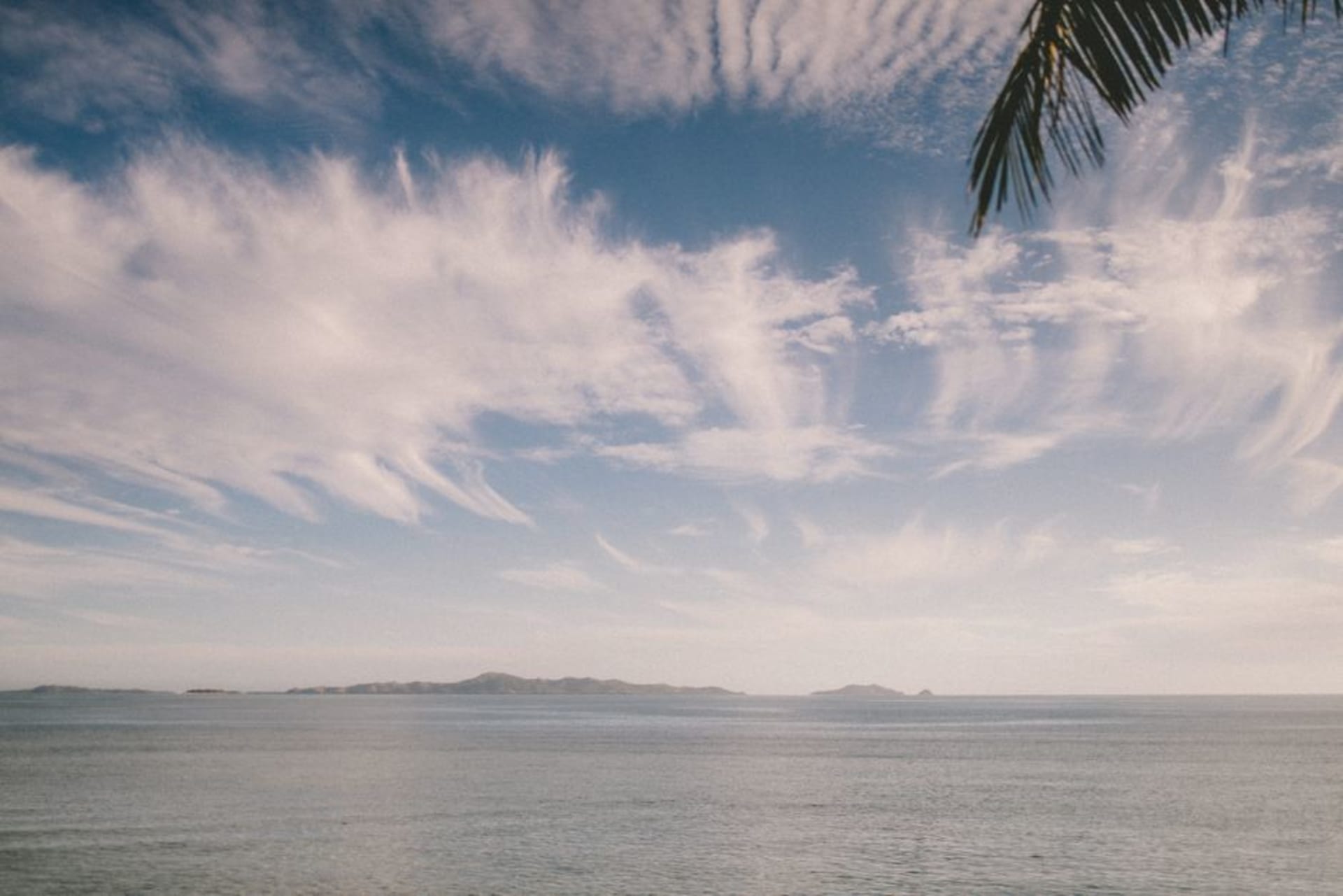
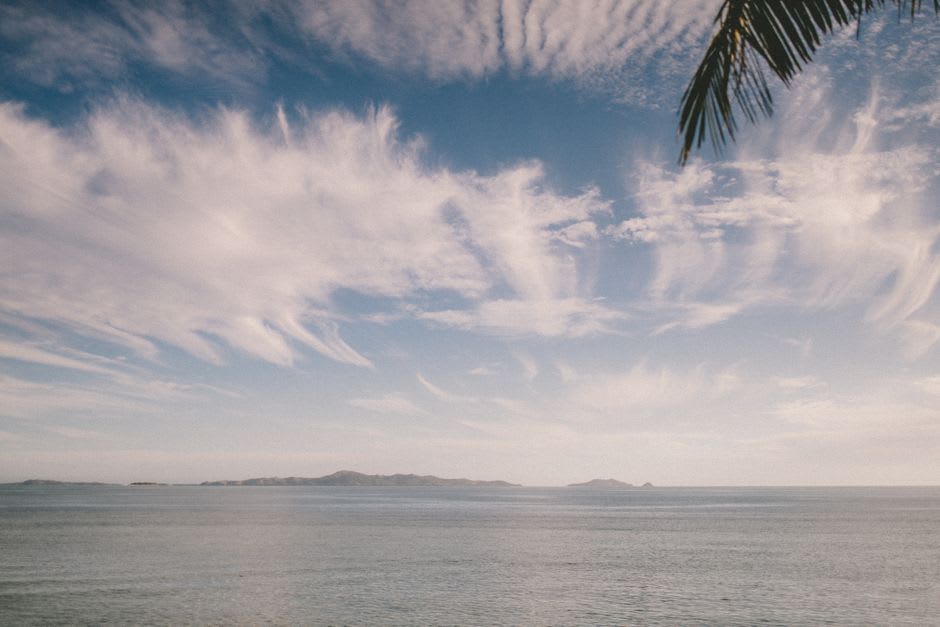
Getting to Nukubati is its own small ordeal, in the good sense. From Labasa it’s an hour by road to the village of Nabala, then a boat transfer across a stretch of water so shallow and clear at low tide that the propeller occasionally clipped sand. Lia counted four different colours of blue in the crossing and gave up trying to name the fifth. The island itself is barely large enough to walk around in twenty minutes, privately run, with a handful of thatched villas and no cars, no wifi in the rooms, and a generator that hums off after ten at night, at which point the sky over the Great Sea Reef does something I have rarely seen matched — a density of stars that made the horizon genuinely hard to locate.
The Great Sea Reef, or Cakaulevu as it’s known locally, runs for over two hundred kilometres along Vanua Levu’s northern coast and is the third-longest continuous barrier reef in the world, after Australia’s and Belize’s. It gets a fraction of the visitors of either. We snorkeled directly off the beach on our first afternoon and were in coral within thirty metres — table corals the size of dinner tables, a resident population of clownfish so unbothered by us that Lia managed to hover motionless for almost ten minutes photographing one guarding its anemone.
The island runs a modest marine conservation programme in partnership with the neighbouring villages, monitoring a no-take zone that locals themselves proposed and enforce, and one of the marine biologists working there took us out on a slow afternoon to check a coral restoration frame — fragments of staghorn wired to a steel structure, regrowing at a pace you can genuinely see year over year if you have the photos. It was the first time I’d seen a conservation project explained by someone who lived within sight of the reef rather than flying in for a conference about it.
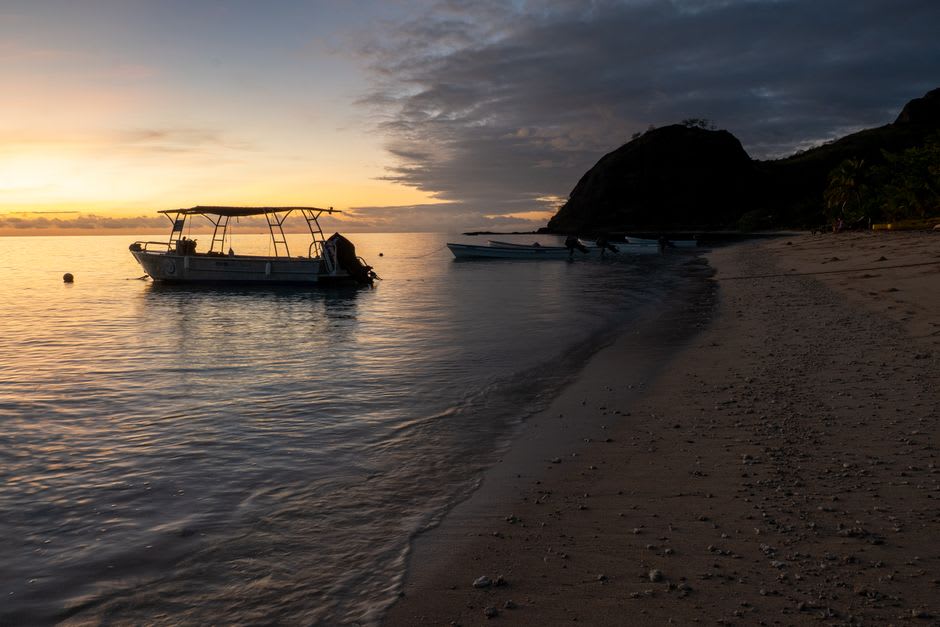
Evenings there follow a rhythm that has nothing to do with entertainment in the usual sense — a fire on the sand, a woman from the neighbouring village singing while she wove a mat, the tide audibly changing somewhere in the dark. We didn’t take a single photo after dinner either night. It didn’t seem like the kind of place that needed proof.
When to go: May through October for calm crossing conditions and the best reef visibility. The island is remote enough that any transfer becomes weather-dependent in the wet season, so build in flexibility if you’re visiting between December and March.