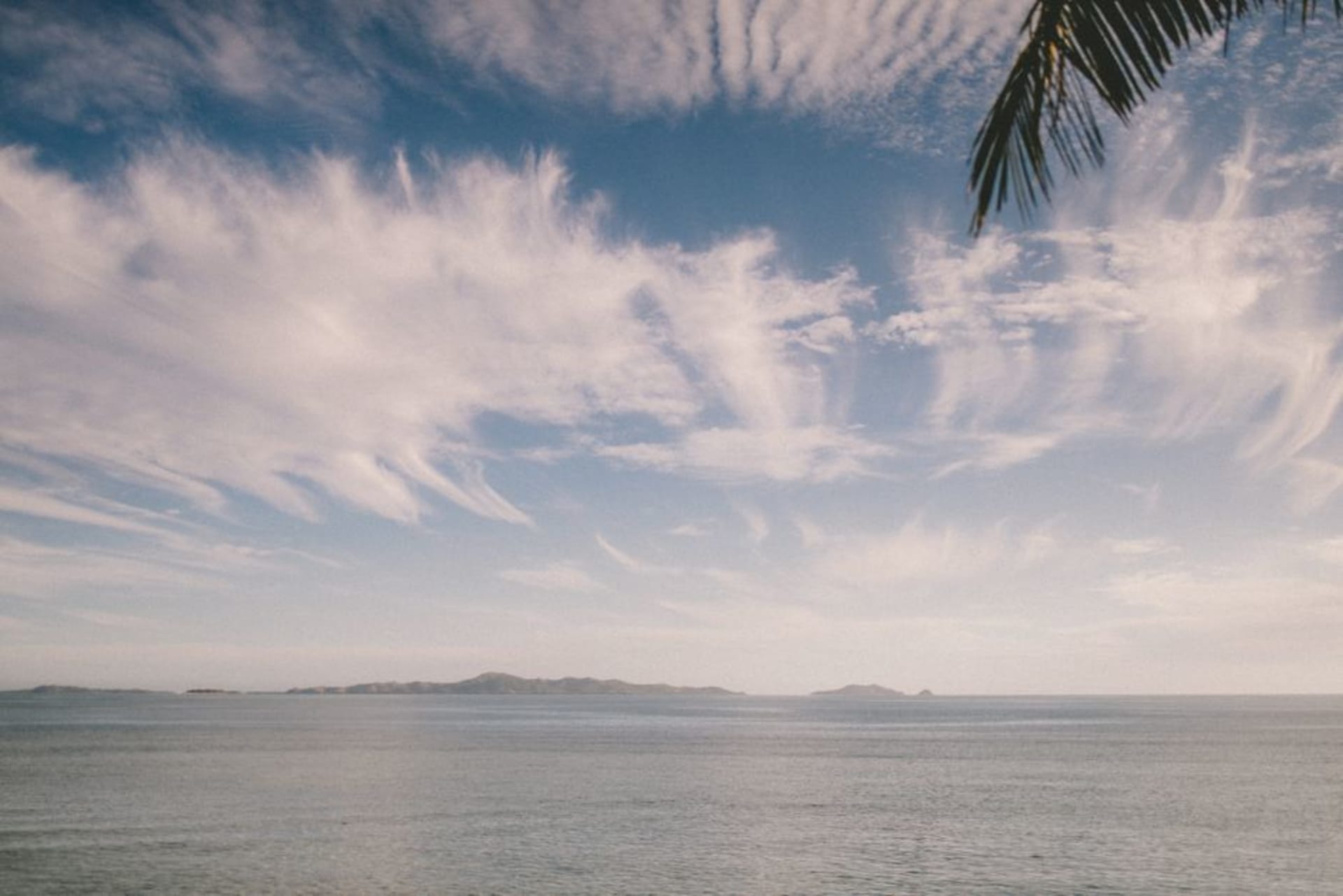
Nanuya Lailai Island
"Half the beach is technically famous. Nobody on the island seemed to think that mattered much."
The island that gave the Blue Lagoon its name, where a single beach curves between two shades of impossible blue and a small village keeps the film's legacy at arm's length.
Nanuya Lailai has a strange relationship with its own fame. This is the island that gave its name — or lent its lagoon — to the 1980 film that made “Blue Lagoon” a phrase people recognize even if they’ve never been within ten thousand kilometers of the South Pacific. The village here, Enadala, has clearly made a kind of peace with the association; there’s a resort that leans into it a little in its marketing, but walk five minutes past the jetty and you’re back in an ordinary Yasawa fishing village, nets drying on racks, kids playing rugby on a scrubby field, nobody particularly invested in the movie trivia.
The lagoon itself sits on the northern side of the island, a shallow, current-free pocket of water enclosed by a low headland and a sandbar that you can wade across at low tide between two different depths of blue. Lia swam the width of it twice in one afternoon, partly for the exercise and partly, she admitted, because she wanted to see how long she could stay in water that warm before it stopped feeling special. The answer was apparently never — she stayed in until her fingers pruned.
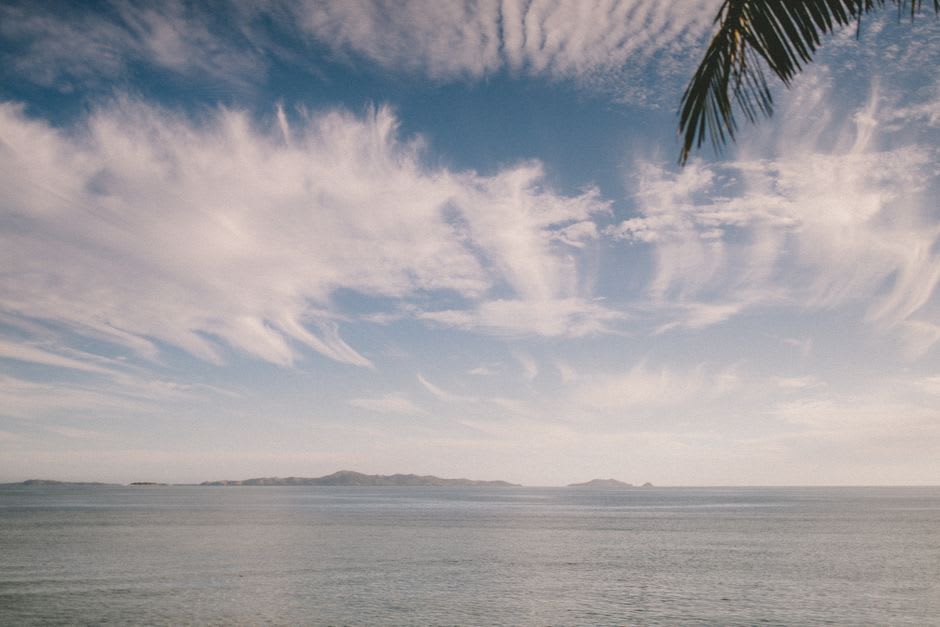
We stayed at a small guesthouse just outside the village, run by a family whose grandfather, we were told over dinner one night, had worked as an extra during the film’s original location shoot decades earlier and still had opinions about how inaccurately Hollywood had recreated the actual social dynamics of an isolated Pacific island. He was in his eighties by the time we met his grandson, but the story had clearly been polished into a reliable dinner-table performance over the years, and it was one of the best I heard anywhere in Fiji.
Snorkeling off the northern point of the island, away from the lagoon itself, gets you onto a healthier and considerably less photographed reef, with better coral coverage and fish density than the lagoon’s shallow, well-trafficked sand floor. We had it almost entirely to ourselves on an overcast morning when the tour boats from the bigger resorts hadn’t bothered to make the crossing.
When to go: May through October for clear water and calm crossings from the mainland. Visit the lagoon early morning or late afternoon to avoid the day-trip boats that arrive from the Mamanucas around midday.