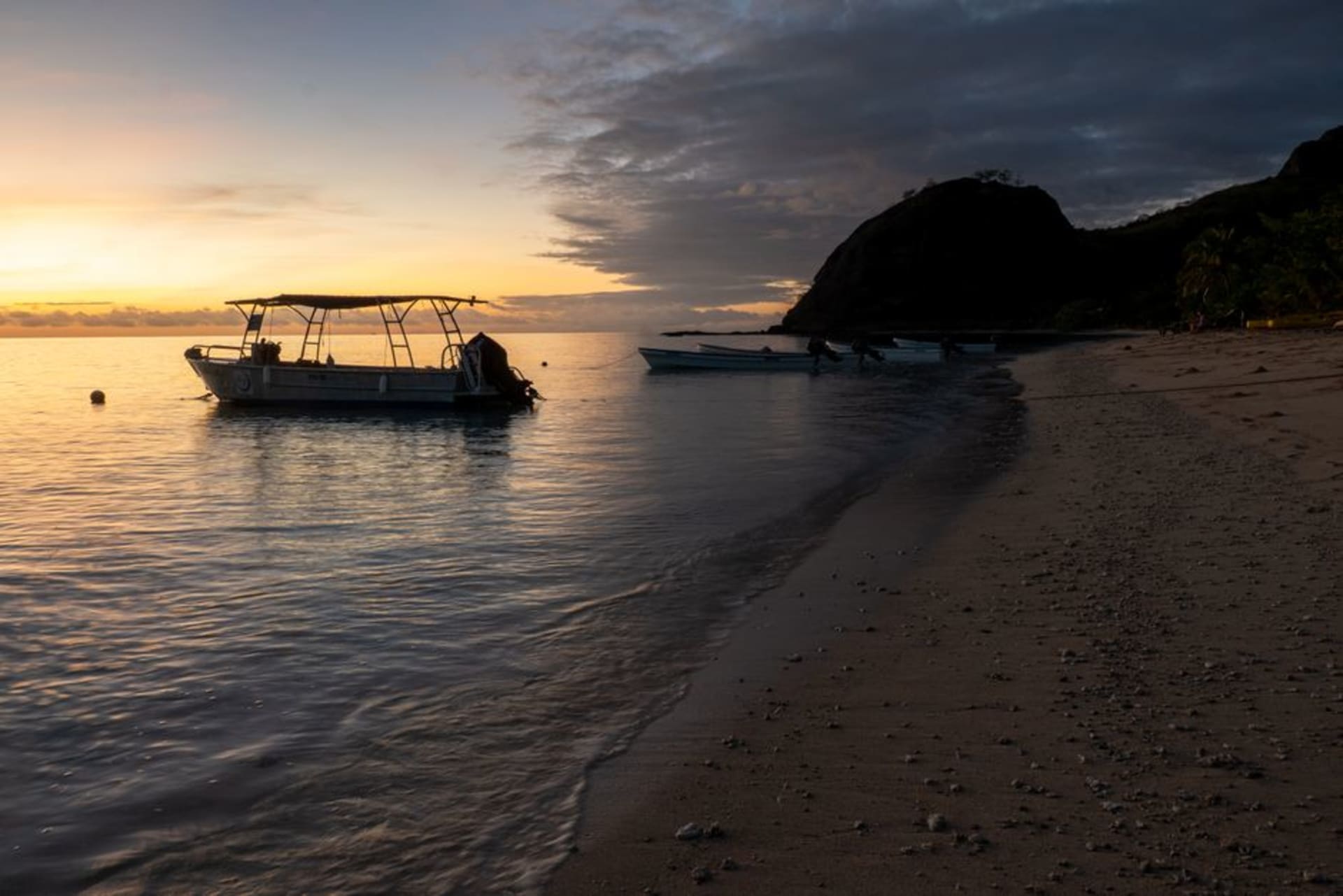
Nabukelevu
"The old man pointed at the crater and said the mountain still doesn't like to be climbed carelessly. I didn't climb carelessly."
The extinct volcano that dominates Kadavu's western skyline, known to sailors for centuries as Mount Washington, and the traditional villages that still regard its crater with real reverence.
Nabukelevu rises from Kadavu’s western end as a near-perfect volcanic cone, visible from most of the island’s western coast and, on a clear day, from boats well out on the water — early European sailors charted it as Mount Washington, a name that survives on some maps but that nobody in the villages at its base actually uses. It last erupted somewhere around the seventeenth century by most geological estimates, and the crater at its summit has cooled into dense rainforest, but the mountain retains a status in local belief that goes well beyond geography.
I based myself in a village at Nabukelevu’s southern foot for two nights, arriving with the customary bundle of kava and going through the sevusevu with the village headman before anything else was discussed, including whether I’d be allowed to climb. He granted permission the next morning but with a clear set of conditions — a guide from the village would come with me, we would leave an offering at a particular point partway up, and I should understand the mountain as belonging to something rather than simply being scenery. I didn’t fully grasp everything embedded in the request, but I followed it exactly.
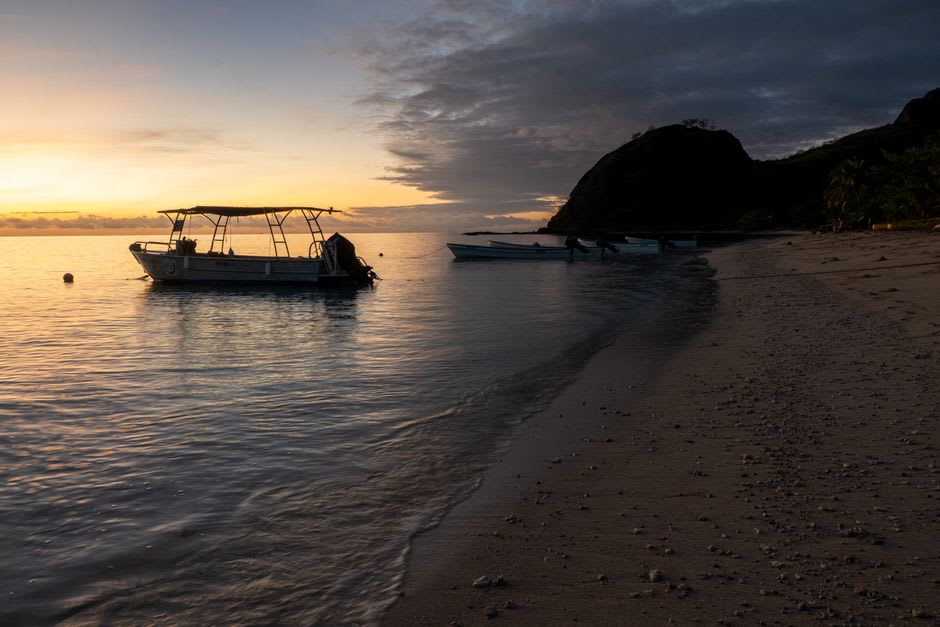
The climb itself took about four hours round trip, steep enough in the upper third that we were using exposed roots as handholds, through forest that grew visibly denser and cooler as we gained altitude. My guide, a young man named Aca who’d grown up circling the base of the mountain his whole life but had only summited a handful of times, pointed out medicinal plants his grandmother used and a section of trail where, he said without any particular drama, hunters sometimes reported feeling watched. We left our offering — a few coins and a strip of masi cloth — at a flat stone shelf he identified without hesitation despite no visible marker, and continued up.
The crater at the top has partially collapsed on one side, opening a view down the western slope to the coast and the pale line of reef beyond it, and the interior itself is thick with a forest distinct from the lower slopes — cooler, mossier, quieter in a way that felt less like altitude and more like the kind of quiet that makes you lower your own voice without deciding to. We didn’t linger as long as I would have liked; Aca’s pace on the way down was noticeably brisker than on the way up, and I didn’t ask why.
Back in the village that evening, over a dinner of taro and reef fish, the headman asked whether the mountain had let us up without trouble, in a tone that made clear this was a genuine question rather than small talk. I said yes. He nodded, satisfied, and the conversation moved on to something else entirely.
When to go: May through October for drier trail conditions and clearer summit views. A village guide and proper sevusevu are not optional here — arrange both through your host in advance, and expect the climb to take a full morning or afternoon.