
Mamanuca Islands
"I watched a set come through at Cloudbreak and understood for the first time why people dedicate their entire lives to this."
The ferry from Port Denarau took about forty minutes, cutting west through a channel where the water went from the silty grey of the harbour to a blue so vivid it looked chemically enhanced. I was sitting at the bow with my bag between my feet and a local family wedged in beside me, the youngest child asleep across his mother’s lap, untroubled by the spray, and I remember thinking that this crossing — this exact twenty minutes — was the border between Fiji-as-infrastructure and Fiji-as-itself. The islands appeared on the horizon as low dark profiles that gradually resolved into palm-fringed, beach-rimmed shapes, each one set in a ring of white breaking water over the reef.
I went to Mana Island first. It is one of the larger Mamanucas and carries the usual resort infrastructure — a pool, a dive shop, a restaurant that serves decent kokoda and indifferent pasta — but the reason to be there is the house reef, which begins about twenty metres from the beach. I snorkelled over it every morning before anyone else was awake, in water so clear that at four metres deep I could make out individual coral polyps. A small whitetip reef shark — no more than a metre long — did laps of the same bommie every morning for the three days I was there, utterly uninterested in me, and I grew genuinely fond of it in the way you grow fond of a street cat that tolerates your presence.
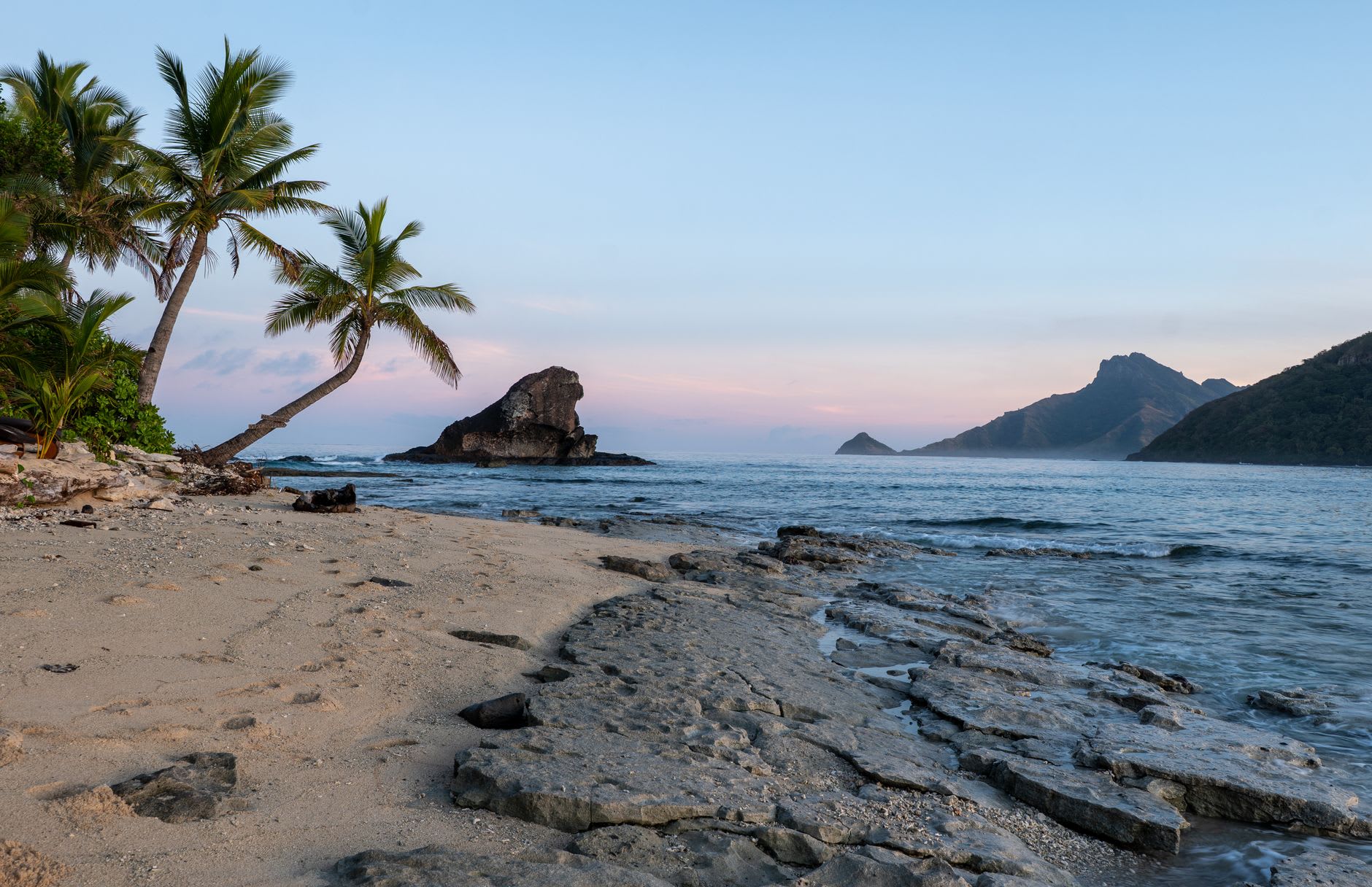
Cloudbreak is the reason serious surfers come to the Mamanucas, and it is not accessible to everyone — the break is on the edge of the outer reef, offshore from Tavarua Island, and you need to charter a boat to get there during the right swell. I went as an observer, sitting on the charter boat’s bow while four Australian surfers paddled out into what looked, from the boat, like perfectly ordered walls of water appearing from nowhere and pitching at an angle that made me understand why this break is considered one of the best left-hand barrels in the world. The sound of a big set breaking on an outer reef at close range is genuinely physical — you feel it in your chest before you hear it properly. I did not surf. I have no plans to start. But I watched for two hours and could not look away.
The uninhabited island of Monuriki, which most visitors know from the film Cast Away, is accessible by day trip from Mana. The boat drops you on a beach of powder-white sand and the jungle rises steeply behind it, dense and dark green and full of birdsong. The famous footprint scene was filmed on this beach, and I will confess that walking along it knowing this added a strange emotional overlay to a place that would have been striking regardless. At one point I sat on a log at the edge of the jungle, watching the lagoon, and a blue-crested lizard walked across my sandal without breaking stride.
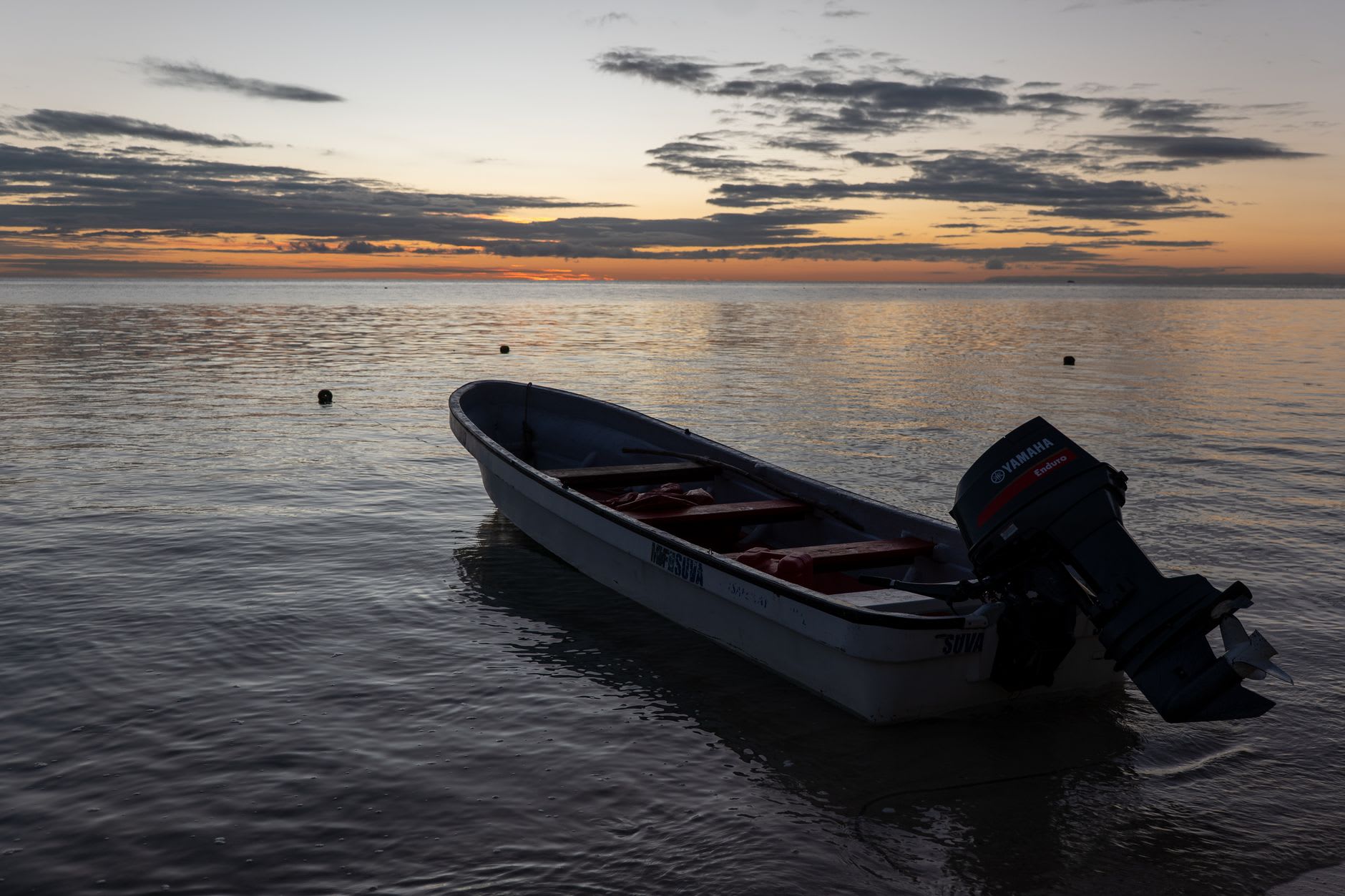
Evening in the Mamanucas happens slowly. The sun drops toward the horizon over open water — there is no land to the west until Australia — and the whole lagoon goes copper and then rose and then a deep, fading blue that makes conversation stop mid-sentence. The village drum on Mana carries across the water at dusk, and the cook fires smell of coconut and smoked fish, and for a while the entire apparatus of ordinary life feels like something that happens somewhere else.
When to go: May through October for dry-season clarity and consistent trade winds — Cloudbreak fires best in July and August when Southern Hemisphere swells push through. Avoid November through April during cyclone season, though the lagoon is calm even then and prices drop sharply.