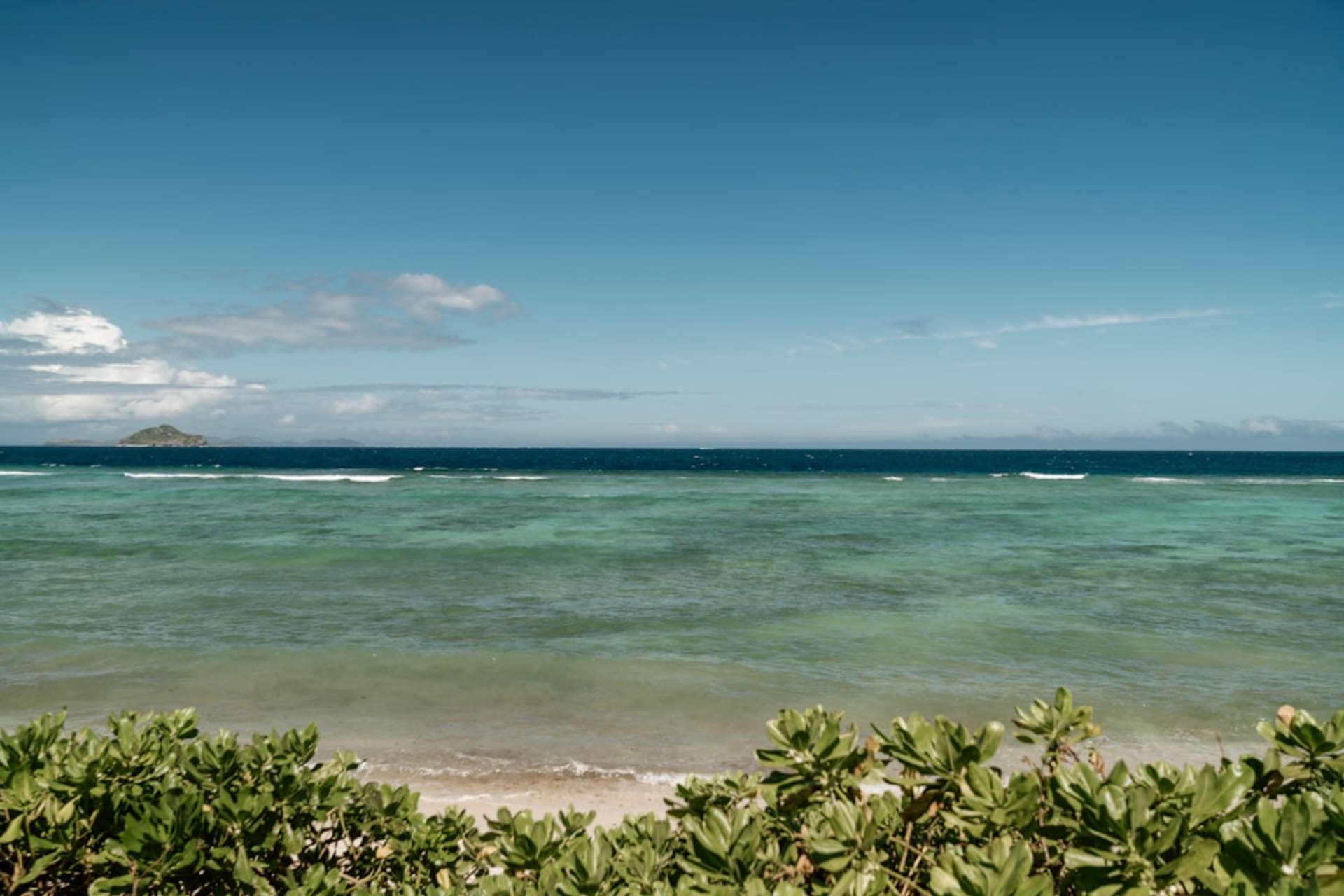
Levuka
"Levuka looked exactly like its 1880s photographs, and that was the whole point of going."
Fiji's first colonial capital and a UNESCO World Heritage town on Ovalau, where wooden storefronts, a working ferry harbor, and total absence of resorts make it feel unstuck from the rest of the country.

The ferry from Bau Landing to Levuka takes about an hour and a half, and I spent most of it standing at the rail because the approach to Ovalau, with its jagged volcanic peaks wrapped in cloud, is one of the better pieces of scenery in eastern Fiji that almost nobody photographs because almost nobody makes the trip. Levuka was Fiji’s capital from the 1870s until 1882, when the administration relocated to Suva for better harbor access and more room to expand, and the town has spent the century and a half since then essentially preserved in amber — not through active museum-making, but through simple neglect that turned out, by accident, to be a form of conservation.
Walking Beach Street, the town’s main thoroughfare, is like stepping into a 19th-century Pacific port that decided not to modernize. The wooden storefronts with their covered verandas, the old Sacred Heart Cathedral, the Ovalau Club — one of the oldest gentlemen’s clubs in the southern hemisphere, still operating, still serving beer to a mixed crowd of locals and the handful of visitors who make it out here — all sit essentially unchanged from photographs I had seen from the 1880s. Lia pointed out that half the buildings still had their original hand-painted signage, faded but legible, advertising trading companies that stopped existing before either of our grandparents were born.

We stayed three nights at a small guesthouse run by a woman named Litia whose family had lived in Levuka for four generations, and she took a clear, almost proprietary pride in walking us through details a first-time visitor would miss — the site of the old Morris Hedstrom trading post, now a small museum; the town’s original 1904 town hall; the spot on the waterfront where the Deed of Cession, the 1874 document ceding Fiji to Britain, was signed. She also took us up the steep trail behind town to the Bureta waterfall, a short but genuinely strenuous hike through jungle that opened onto a swimming hole with almost nobody else there, the water cold enough that Lia yelped audibly on entry and I laughed until I jumped in myself and understood why.

What Levuka does not have is any real tourist infrastructure beyond a handful of small guesthouses and dive operators, which is precisely its appeal and also its limitation — there is no resort strip, no beach club, nothing engineered for a two-night package holiday. What there is instead is a genuinely preserved slice of Pacific colonial history, a friendly, unhurried town of maybe three thousand people, some of the best diving in Fiji at the Levuka barrier reef according to the one dive operator we spoke with, and an almost total absence of anyone else. We ate fish and chips at a waterfront café run by a fourth-generation Levukan of part-European descent, watched the inter-island cargo boat unload sacks of rice onto the wharf, and felt, for the only time in three weeks in Fiji, like we had found somewhere genuinely overlooked.
When to go: May through October for reliable ferry crossings and drier hiking trails; the crossing from Bau Landing or Natovi can be canceled in rough weather during the wet season, so build slack into your schedule if visiting between November and April.
Keep exploring
More from Fiji
 fiji
fiji Malolo Island
The largest of the Mamanucas, with actual villages, a school, and hiking trails through hills that most day-trippers never learn exist behind the beach resorts.
Explore fiji
fiji Malolo Lailai
The small islet beside Malolo where Musket Cove's yacht marina and Plantation Island's family resort share a sandbar that appears and disappears with the tide.
Explore fiji
fiji Mamanuca Islands
Twenty-odd islands floating just off Nadi where the surf at Cloudbreak breaks perfectly and the reef life under the boats makes you question your priorities.
Explore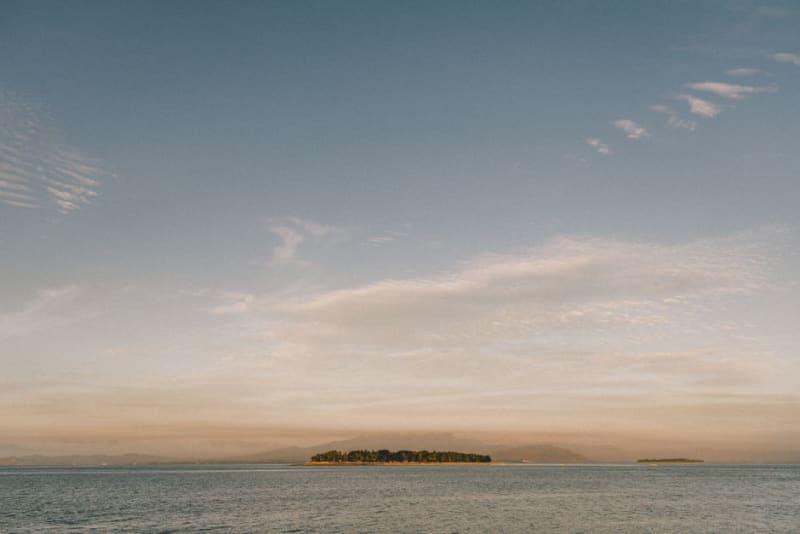 fiji
fiji Matacawalevu Island
One of the quietest inhabited islands in the Yasawas, where a single beach resort and a handful of fishing villages see barely a fraction of the visitors further south.
Explore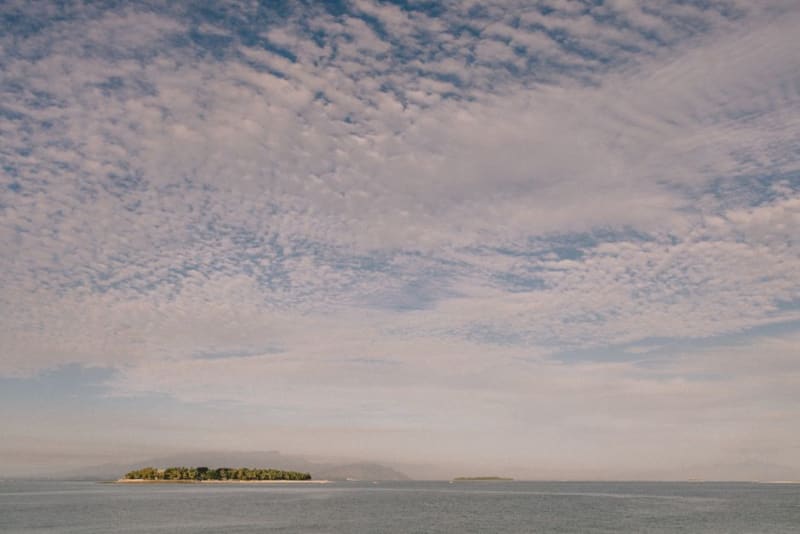 fiji
fiji Matagi Island
A small volcanic crater island off Taveuni shaped almost perfectly like a horseshoe, with one bay, one resort, and water so calm it barely counts as ocean.
Explore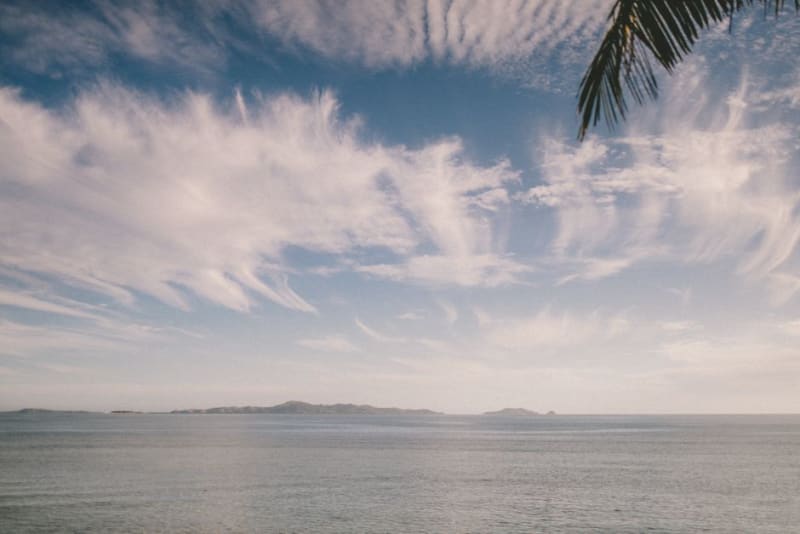 fiji
fiji Matava
A solar-powered, off-grid eco lodge on Kadavu's remote southeastern coast, reachable only by boat, that treats a lack of infrastructure as the entire point.
Explore