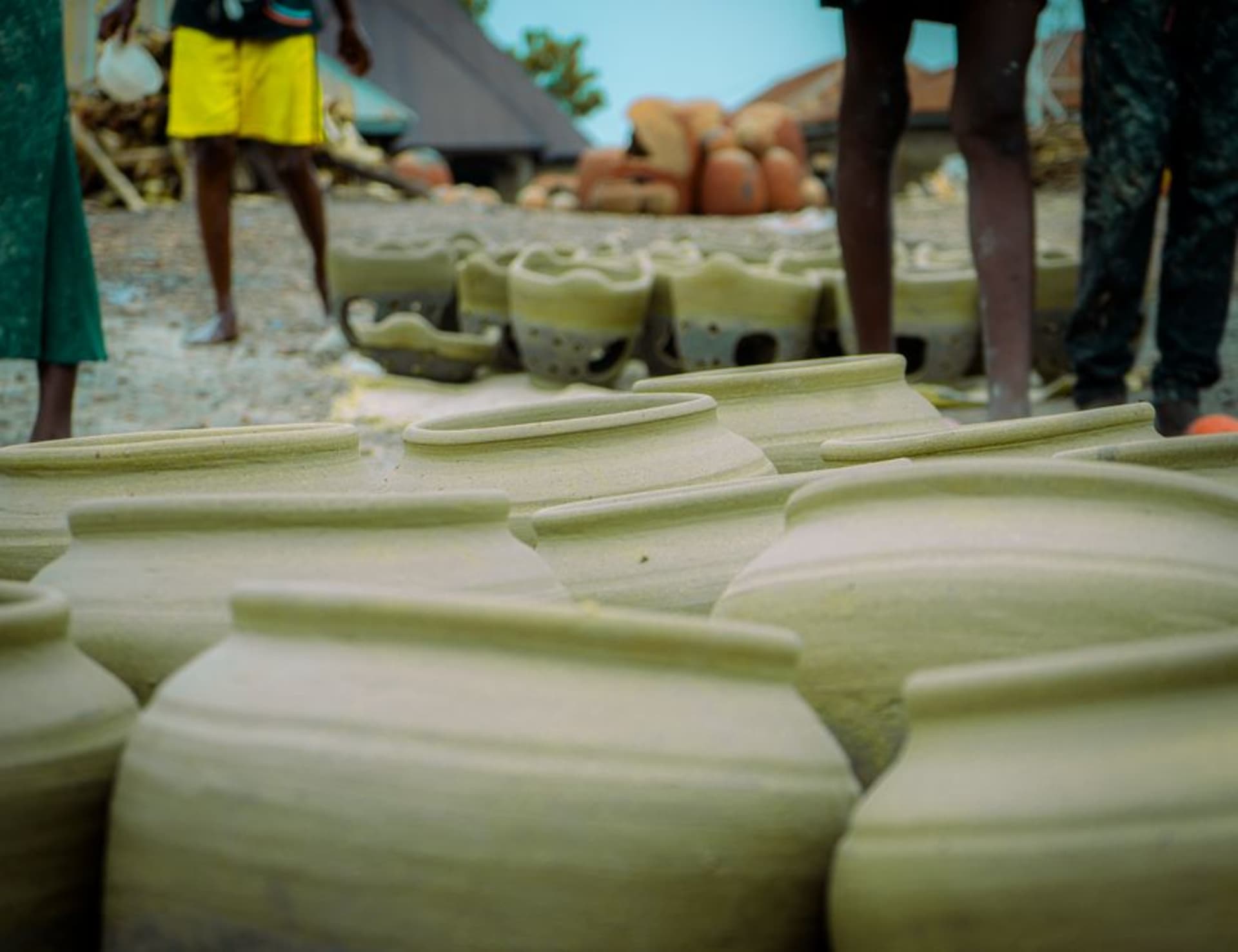
Lawai Pottery Village
"No wheel, no kiln, just her hands, a wooden paddle, and a pile of clay she'd dug herself from the riverbank that morning."
A small village in the Sigatoka Valley where women still shape and fire clay pots using techniques unchanged for centuries, without a wheel in sight.
Lawai is a small village a short drive up the valley road from Sigatoka Town, and it’s one of the very few places left in Fiji where traditional pottery — made without a potter’s wheel, using techniques passed down almost entirely through women, mother to daughter — is still practiced as a living craft rather than a museum demonstration. We arrived with a local guide who knew one of the potters personally, which mattered, because the village doesn’t run on a fixed tourist schedule; you’re there because someone made an introduction, not because you bought a ticket.
The woman we watched, whose name was Adi, worked a lump of dark clay she said she’d dug from the riverbank herself that week, using a technique called coiling combined with paddle-and-anvil shaping — building the pot’s walls up in rope-like coils, then beating and smoothing them with a wooden paddle against a stone held inside, turning the whole piece by hand rather than on any mechanical wheel. She talked while she worked, unhurried, explaining that she’d learned from her mother starting around age seven and that some of the shapes she made — squat cooking pots, tall water vessels — hadn’t changed in design for as long as anyone in the village could remember.
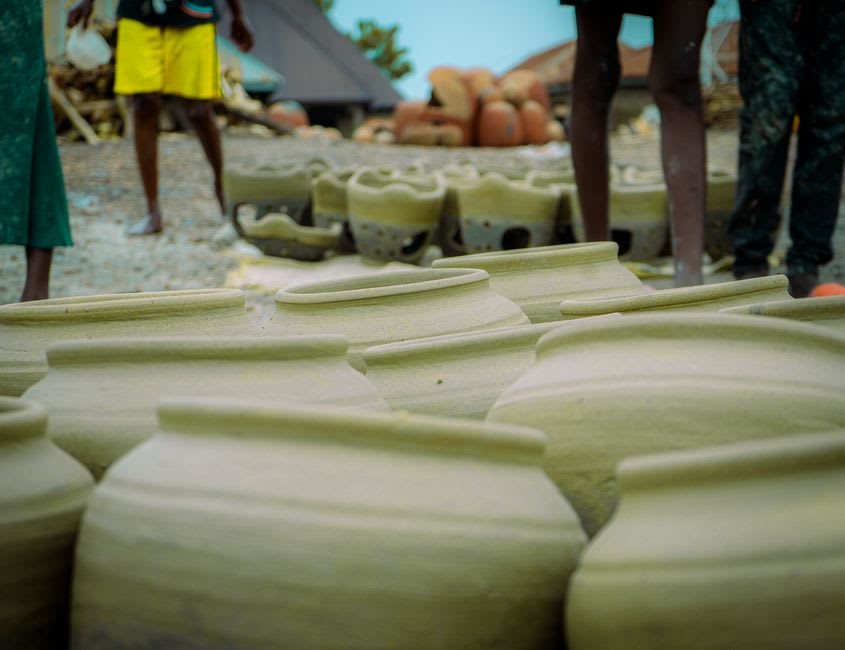
Firing happens outdoors, in the open air, with the unfired pots stacked and covered in dry coconut husks, grass, and bark that’s set alight in a controlled burn lasting under an hour rather than the days-long kiln process used elsewhere. We happened to be there on a firing day, and watching the flames engulf the stacked pots, then die down to reveal them blackened and hardened, felt closer to alchemy than craft. Lia bought a small bowl straight from the fire, still faintly warm, and Adi wrapped it in newspaper with the same unhurried care she’d used shaping it in the first place.

When to go: Year-round, but arrange a visit through a Sigatoka-based guide rather than showing up independently, since firing days and potters’ availability vary. Dry season roads into the valley are easier if you’re driving yourself partway.