Lautoka
"I came for the sugar mill and left thinking about the market instead — that's usually how the best day trips go."
Fiji's Sugar City, a working port town where cane trains still cross the main road and the market feels built for locals rather than tourists.
Lautoka sits about forty minutes north of Nadi along the Kings Road, and almost nobody I met on the Mamanucas or the Yasawas had been there, which was reason enough for me to go. It calls itself the Sugar City, and it earns the name without irony — the whole economy of the town, and much of the surrounding countryside, still runs on sugarcane, and the visible proof of that is the narrow-gauge railway that cuts straight through the middle of the streets, hauling wagons stacked absurdly high with freshly cut cane toward the mill during crushing season.
I happened to arrive during the harvest, between June and December, and got to watch one of these trains cross the main road at walking pace, cars and buses backed up patiently on either side while cane stalks spilled loose bits of green fiber onto the tarmac. The mill itself, a hulking colonial-era structure that still processes a meaningful share of Fiji’s sugar output, isn’t set up for casual visitors, but you can smell it from blocks away during the season — a thick, faintly burnt-caramel smell that clings to the whole town and that I found strangely comforting by the second day.
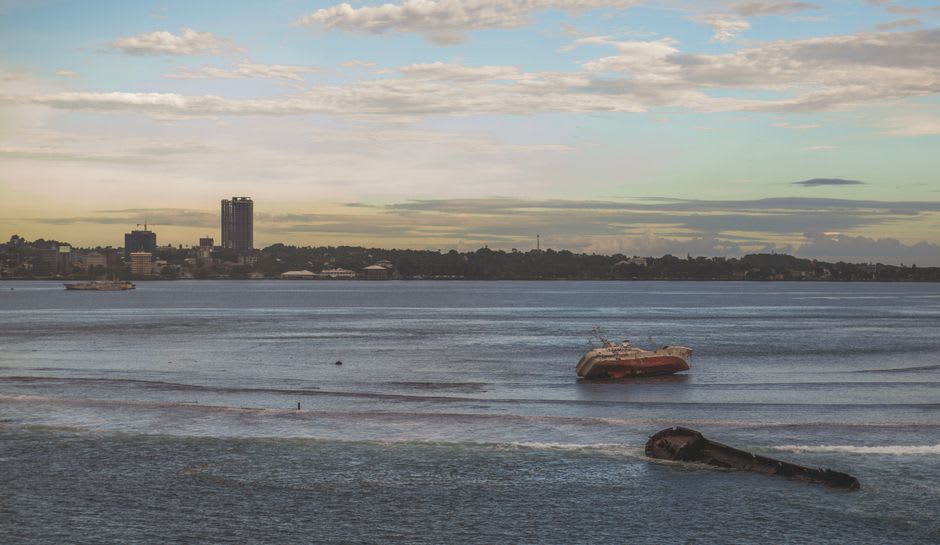
The market is where Lautoka actually won me over. It’s bigger and less curated than Nadi’s, spread across two full floors with produce vendors on the ground level selling taro, breadfruit, and mounds of chillies in every shade of red, and a mezzanine upstairs where women sell fabric, spices, and enormous woven fans. I bought a bag of small, intensely sour green mandarins from a vendor who insisted I try one before paying, and then spent twenty minutes being gently but firmly instructed by her on how to eat them properly — apparently I was doing it wrong, with too much peel left on.
Lautoka’s Hindu and Sikh communities have left a visible mark on the town too, and the Sri Vishnu Dham temple near the port is worth the short walk if only for the quiet — a working temple with none of the crowds of Nadi’s Sri Siva Subramaniya, incense curling up past a small shrine while traffic noise fades outside the walls. I sat there for close to half an hour with nowhere else to be, which is not something that happens to me often when I travel.
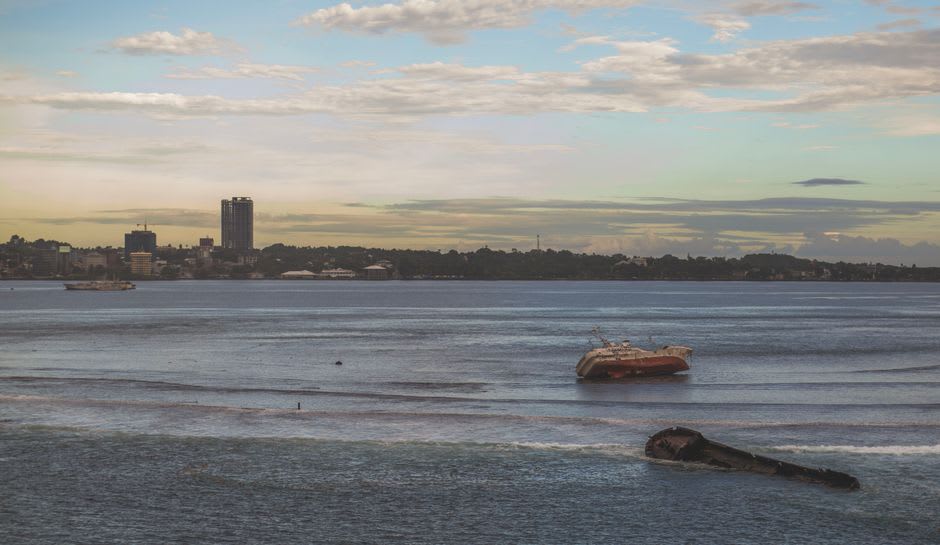
Lia and I ended up eating dinner at a roadside curry house near the port that had no sign in English and a menu recited to us verbally by the owner’s son, who seemed pleasantly baffled that two tourists had wandered in. The fish curry that arrived was the best either of us had in Fiji, and cost less than a bottle of water back on Denarau.
When to go: June through November for the sugarcane harvest, when the trains run daily and the mill is at full operation. The market runs year-round, though Saturday mornings are the liveliest, with vendors arriving from villages well outside town.
Keep exploring
More from Fiji
 fiji
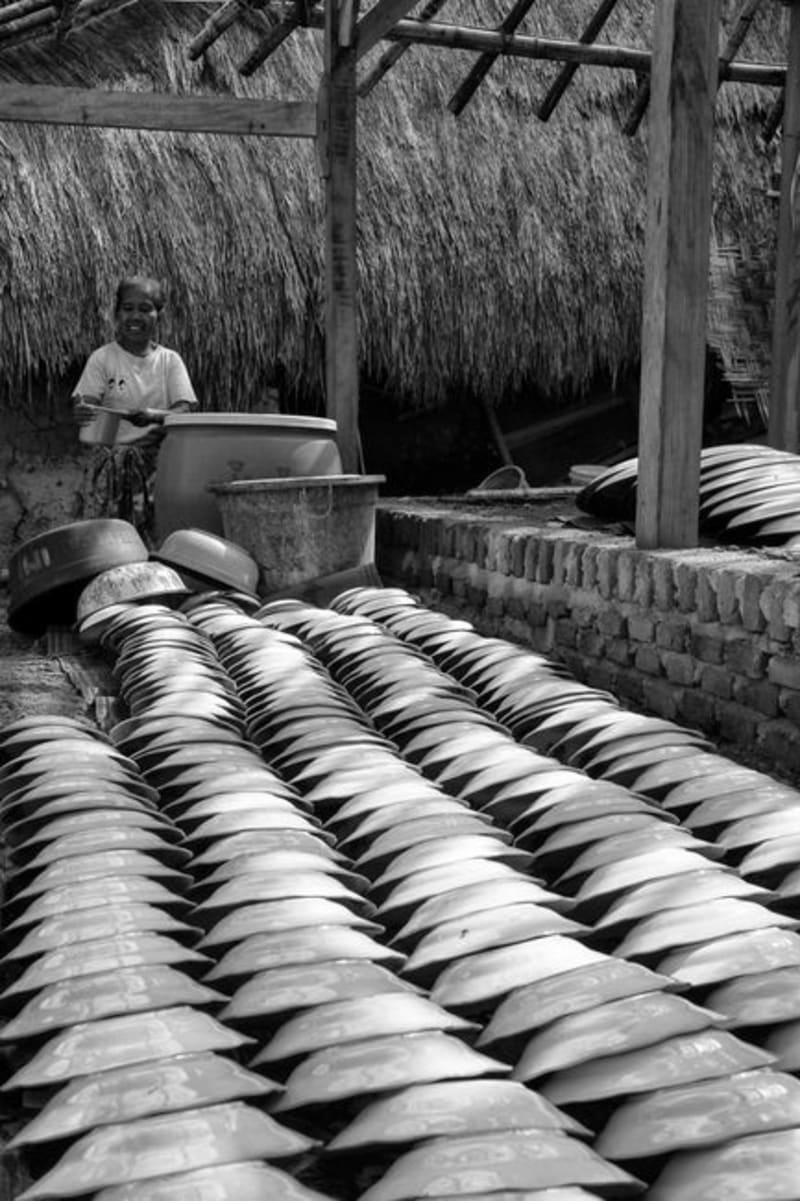
fiji Lawai Pottery Village
A small village in the Sigatoka Valley where women still shape and fire clay pots using techniques unchanged for centuries, without a wheel in sight.
Explore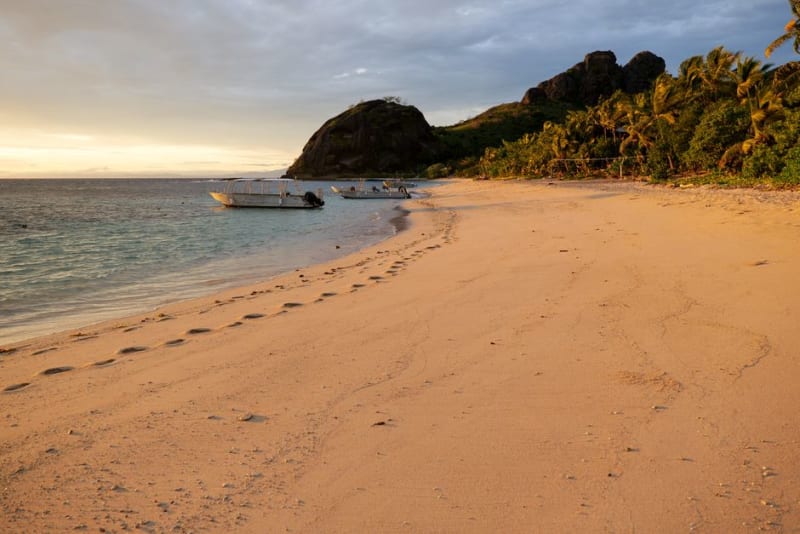 fiji
fiji Leleuvia Island
A low, sandy backpacker island in the Lomaiviti group midway between Viti Levu and Ovalau, built around hammocks, snorkeling, and doing very little.
Explore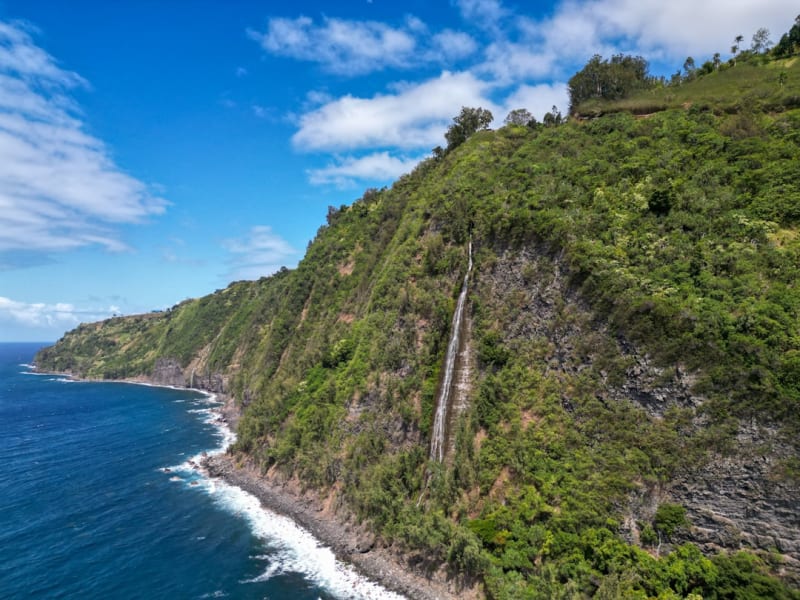 fiji
fiji Levuka
Fiji's first colonial capital and a UNESCO World Heritage town on Ovalau, where wooden storefronts, a working ferry harbor, and total absence of resorts make it feel unstuck from the rest of the country.
Explore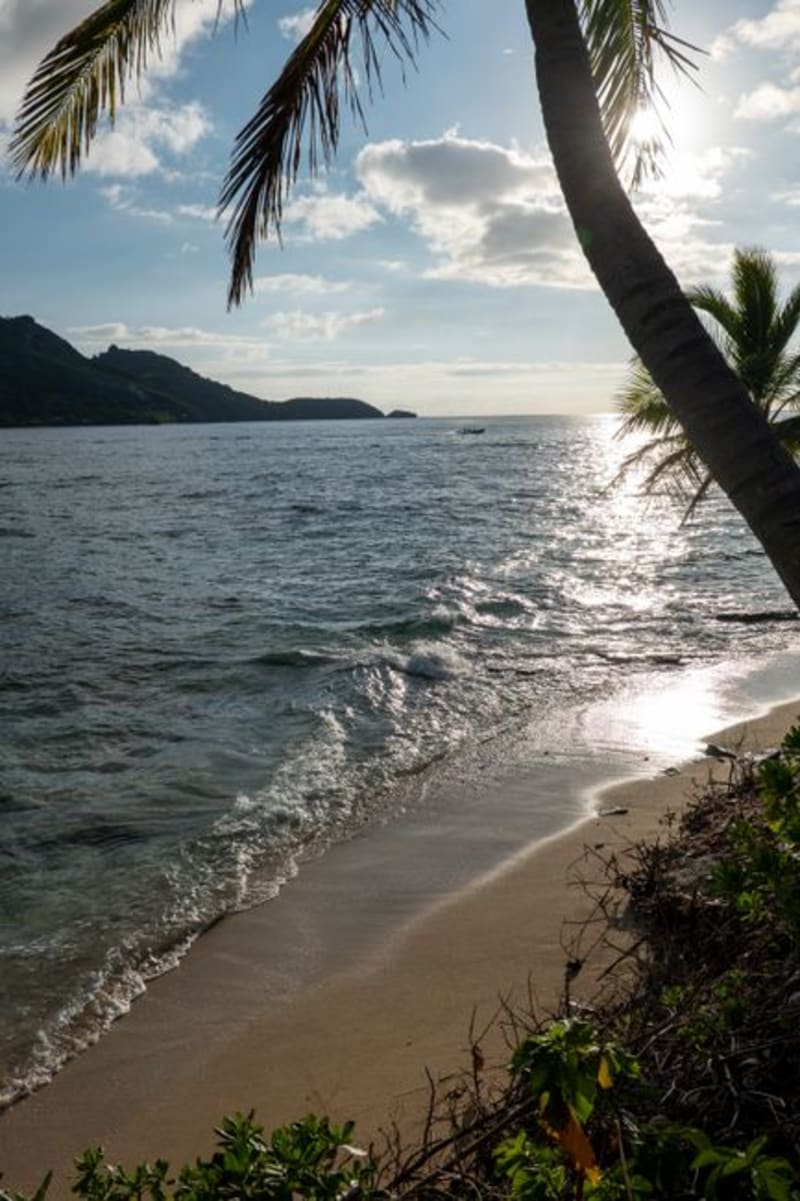 fiji
fiji Malolo Island
The largest of the Mamanucas, with actual villages, a school, and hiking trails through hills that most day-trippers never learn exist behind the beach resorts.
Explore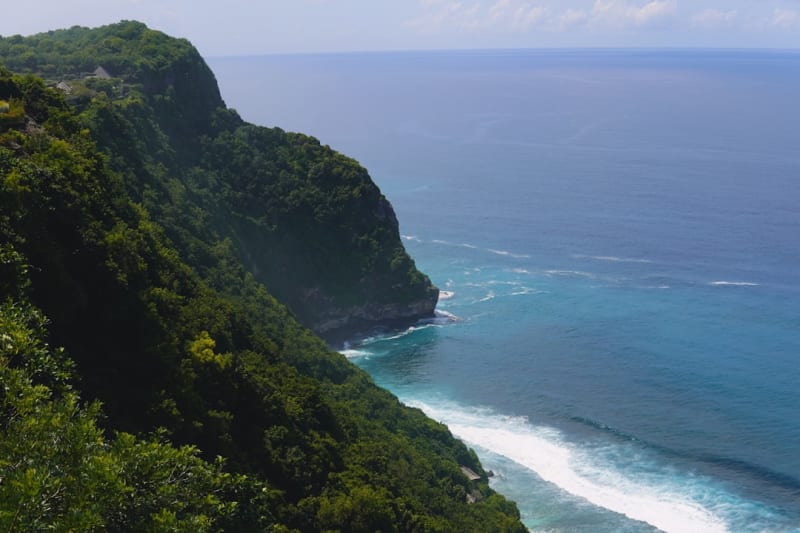 fiji
fiji Malolo Lailai
The small islet beside Malolo where Musket Cove's yacht marina and Plantation Island's family resort share a sandbar that appears and disappears with the tide.
Explore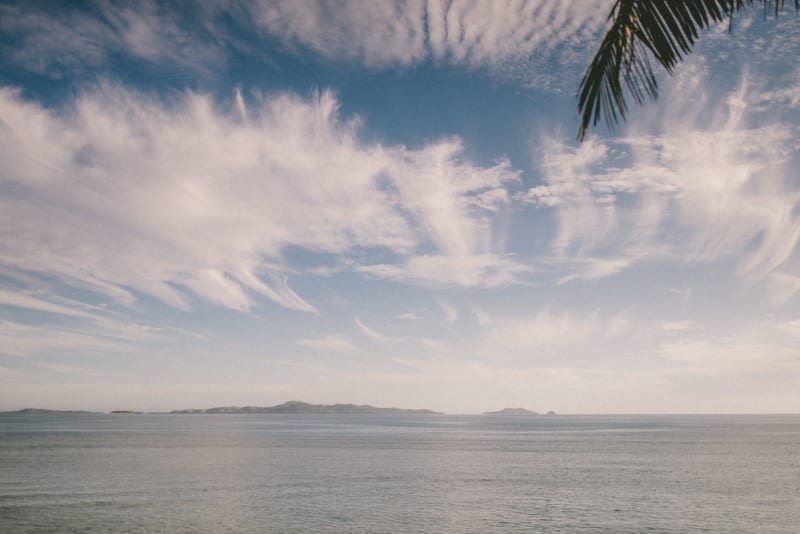 fiji
fiji Mamanuca Islands
Twenty-odd islands floating just off Nadi where the surf at Cloudbreak breaks perfectly and the reef life under the boats makes you question your priorities.
Explore