Laucala Island
"We circled the entire island by boat for the price of a decent dinner, which felt like the correct way for people like us to experience it."
A privately owned island off Taveuni turned into one of the most expensive resorts on Earth — worth understanding even if, like me, you're only ever going to see it from a boat.
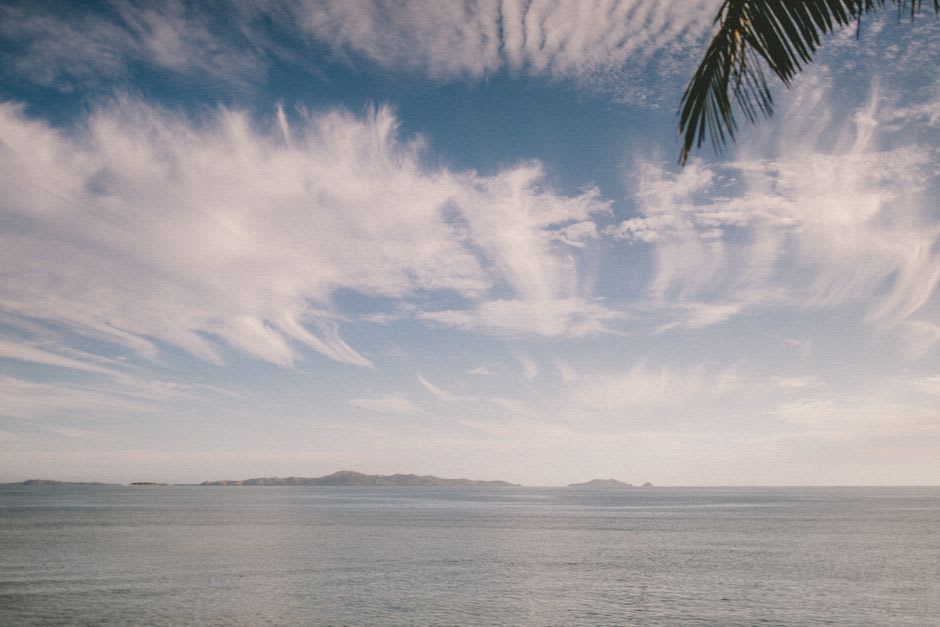
Laucala doesn’t want visitors like me, and it’s honest about that, which I respect more than the alternative. The island, a few kilometres off Taveuni’s northeast tip, was bought by the founder of Red Bull in the early 2000s and converted into a single ultra-luxury resort occupying the entire landmass — villas that run to five figures a night, a working farm supplying the resort kitchen, a private airstrip, and a level of seclusion that makes most exclusive resorts elsewhere look like public parks by comparison. I was never going to stay there, and I didn’t pretend otherwise to the boat captain in Waiyevo who I hired instead for a slow loop around the island’s perimeter.
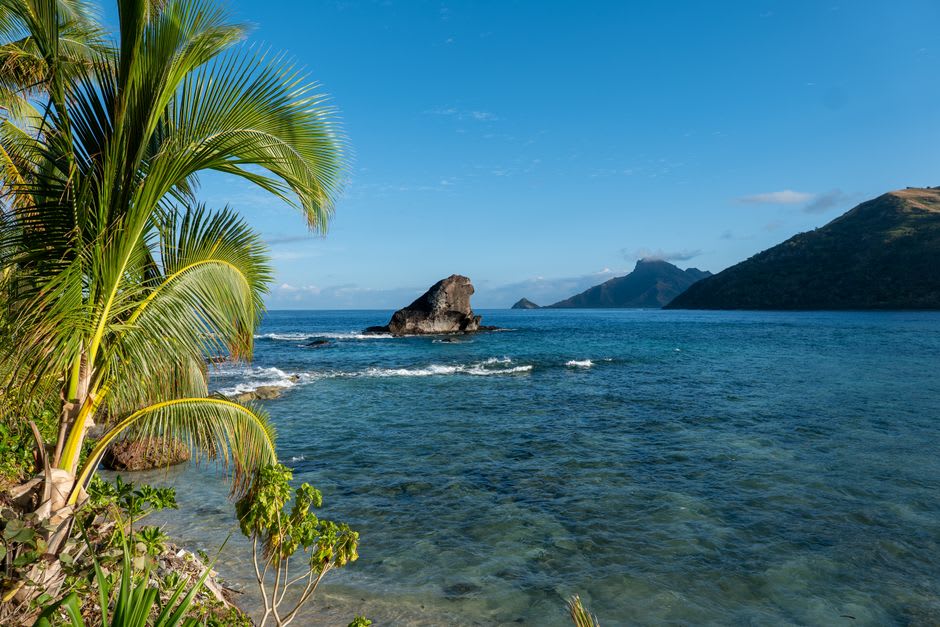
What you can see from the water is still worth the trip — a coastline of small coves and dense jungle interrupted occasionally by a rooftop or a private jetty, the visible edge of what was once a coconut plantation covering most of the island before its conversion, and a handful of staff boats moving between Taveuni and the island with a purposefulness that made clear exactly how much infrastructure it takes to keep an island this private running smoothly. Our captain, who’d worked briefly on Laucala’s construction crew years earlier, narrated the whole loop with a mix of pride and mild irony — pointing out the golf course carved into what used to be forest, the desalination plant, the specific bay where, he said, guests sometimes paid extra for a private beach dinner cleared of all resort staff except the one delivering the food.
There’s something worth sitting with in the contrast between Laucala and somewhere like Rabi or Kioa, twenty minutes and eighty years apart in the same island chain — one island bought by a displaced Pacific community rebuilding a life from nothing, another bought by a European billionaire building a private paradise from everything. Both are legitimate parts of Fiji’s story, in the sense that colonial-era land transactions shaped this whole archipelago, but only one of them lets you visit for the price of a boat ride.
We finished the loop, tipped the captain generously, and went back to our considerably humbler guesthouse on Taveuni for a dinner that cost less than the fuel for the boat we’d just been on.
When to go: Boat loops run year-round from Waiyevo, though calmer seas from May through October make for a smoother ride and better photography conditions. Don’t expect to land — this is strictly a from-the-water experience unless you’re a paying guest.
Keep exploring
More from Fiji
 fiji
fiji Lautoka
Fiji's Sugar City, a working port town where cane trains still cross the main road and the market feels built for locals rather than tourists.
Explore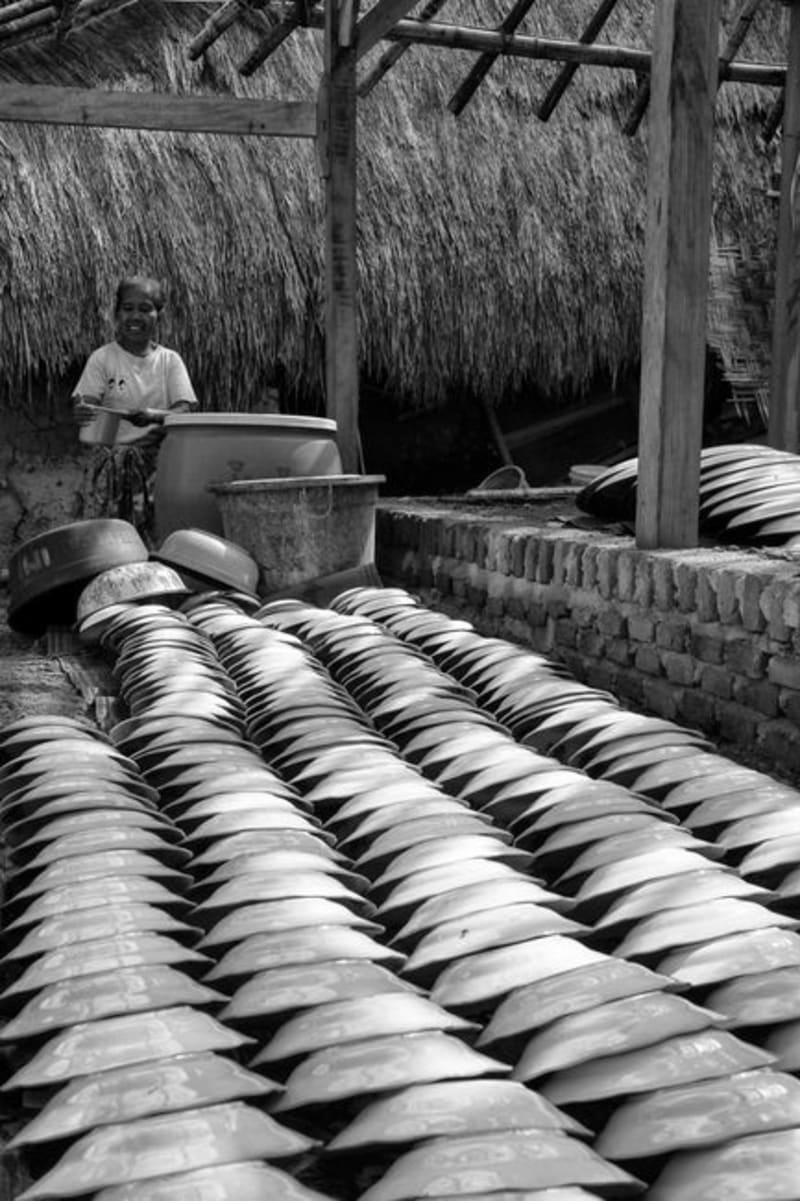 fiji
fiji Lawai Pottery Village
A small village in the Sigatoka Valley where women still shape and fire clay pots using techniques unchanged for centuries, without a wheel in sight.
Explore fiji
fiji Leleuvia Island
A low, sandy backpacker island in the Lomaiviti group midway between Viti Levu and Ovalau, built around hammocks, snorkeling, and doing very little.
Explore fiji
fiji Levuka
Fiji's first colonial capital and a UNESCO World Heritage town on Ovalau, where wooden storefronts, a working ferry harbor, and total absence of resorts make it feel unstuck from the rest of the country.
Explore fiji
fiji Malolo Island
The largest of the Mamanucas, with actual villages, a school, and hiking trails through hills that most day-trippers never learn exist behind the beach resorts.
Explore fiji
fiji Malolo Lailai
The small islet beside Malolo where Musket Cove's yacht marina and Plantation Island's family resort share a sandbar that appears and disappears with the tide.
Explore