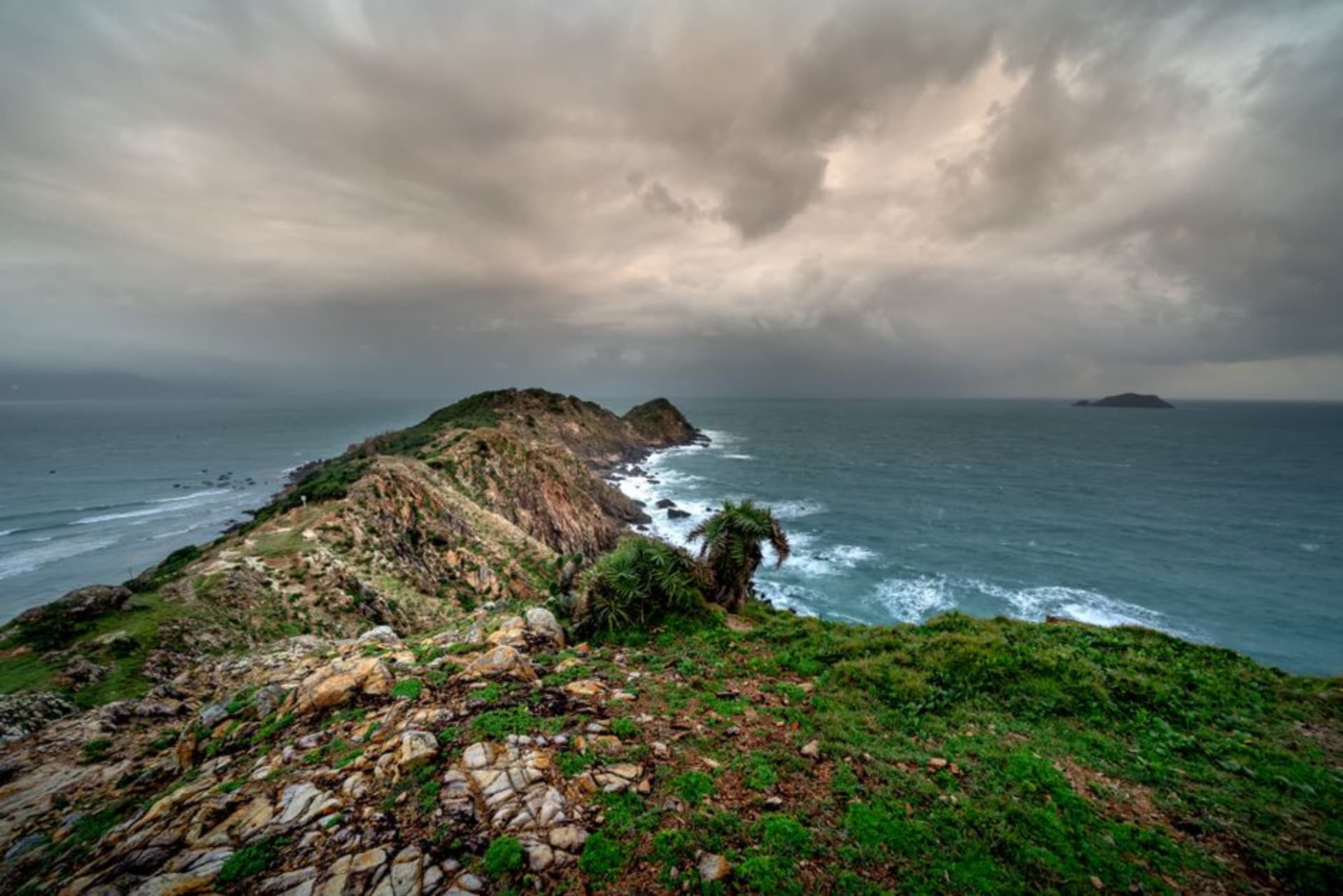
Drawaqa Island
"The boatman cut the engine, pointed at a shadow under the surface, and said 'go now' — and that was the entire briefing."
A small, largely uninhabited island whose entire reputation rests on a narrow channel where manta rays feed for half the year.
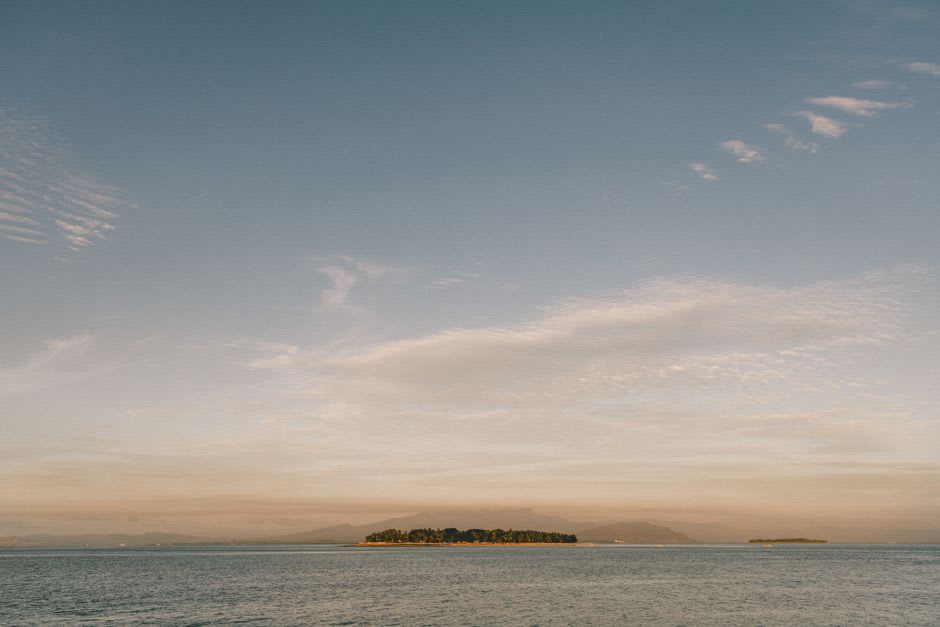
Drawaqa is a modest island by Yasawa standards, low and scrubby, with a single small resort and not much else in the way of infrastructure. Almost everyone who comes here comes for one specific reason: the narrow channel between Drawaqa and neighboring Naviti Island, known locally as Manta Ray Bay, where a resident population of reef manta rays gathers seasonally to feed on plankton concentrated by the tidal current running through the gap.
Lia and I had built almost our entire Yasawa itinerary around trying to time this correctly, which meant a certain amount of anxious weather-checking and asking every boat operator we met whether the mantas had been “coming in” that week. The system at Drawaqa is refreshingly informal — a spotter on the beach or in a small tinny watches the channel for the telltale dark shapes and fin-tips breaking the surface, and when they see something, a horn sounds and every snorkeler on the island scrambles for the water at once.
We got lucky on our second morning — three mantas working the current together, wingspans that looked improbable up close, mouths open and gill plates visible as they somersaulted through the plankton-rich water in slow, repeated loops. One passed close enough beneath me that I could see the pale spot pattern on its underside, unique to each animal the way a fingerprint is, according to the marine biologist volunteering at the small research station on the island who briefed us before we went out. She’d been cataloguing individual mantas for two seasons and could recognize several on sight.
Between manta sessions, Drawaqa itself is quiet almost to the point of monastic — a short walking loop around the island, decent snorkeling directly off the beach even without a manta sighting, and evenings with very little to do except watch the sun go down over Naviti and compare notes with the other guests about how many mantas they’d seen that day, which becomes a surprisingly competitive topic within about twenty-four hours of arrival.
When to go: The manta season runs roughly May through October, driven by the plankton bloom the current brings through — outside those months, sightings become unreliable. Even in season, nothing is guaranteed; budget at least three nights to improve your odds.