Colo-i-Suva Forest Park
"Fifteen minutes out of Suva and the traffic noise had been replaced entirely by water and birdsong."
A cool, misty rainforest reserve fifteen minutes from Suva, where mahogany canopies, waterfall pools, and hiking trails reset your sense of what a capital city's backyard can be.
Lia found Colo-i-Suva on a rainy Tuesday when neither of us wanted to be in the city anymore. We had been in Suva five days, mostly indoors dodging downpours, and she pulled up a map and pointed at a green blob just north of the university district. “That’s a forest,” she said, in the tone she uses when she has already decided we are going. Forty minutes later we were standing under a canopy of mahogany trees planted almost a century ago by a colonial forestry program, and the rain sounded completely different up there — softened, diffused, arriving in fat individual drops rather than sheets.
The park is small by rainforest standards, maybe two and a half square kilometers, but it is laid out with a network of trails that loop past a series of swimming holes fed by the Waisila Creek. The main pool, right near the entrance, gets a steady trickle of local families on weekends — teenagers doing rope swings off an overhanging branch, grandmothers wading in up to their knees with their sulus hitched up, kids doing cannonballs with the specific fearlessness of children who have grown up near water their whole lives. We swam there first, the water a startling, almost electric cold after the warm soup of coastal Fiji, and I understood immediately why Suva residents treat this place as a release valve.
Further into the reserve, past the main pool, the trails get quieter and the forest gets denser. We hiked the full loop with a guide named Josefa who worked for the Forestry Department and clearly relished having an audience who actually wanted to know what things were. He pointed out a giant honeyeater nest wedged into a fork of a dakua tree, showed us wild ginger growing along the trail edge, and stopped at one point to identify, by ear alone, three different bird calls happening at once — a collared lory, a golden dove, and something he called simply “the noisy one” that we never did see. The mahogany plantation itself has an odd, cathedral-like quality: the trees were planted in straight rows in the 1950s as a forestry experiment, and decades later they have grown into a genuinely impressive canopy that filters the light into that particular underwater green you only get in old-growth-adjacent forest.
There is a second, quieter waterfall about forty minutes deeper into the park, reached by a trail that gets muddy and requires actual footwear rather than flip-flops, and we had it entirely to ourselves for the better part of an hour. Lia sat on a flat rock with her feet in the current while I tried and failed to identify a butterfly the size of my palm, electric blue on the topside and camouflage brown underneath, that kept landing on the same patch of wet stone like it had an appointment there. It is the kind of place that makes you recalibrate what “near the capital” can mean — twenty minutes from government buildings and traffic circles, and you are standing in a forest that feels genuinely wild.
When to go: Year-round, though the dry season from May to October means less mud on the trails and clearer water in the pools. Go on a weekday morning if you want the swimming holes to yourself; weekends bring Suva families out in force, which has its own charm but a different volume.
Keep exploring
More from Fiji
 fiji
fiji Coral Coast
The southern shore of Viti Levu where ancient sand dunes, a wild reef at low tide, and the slowest sunsets in the Pacific reward those who stay longer than a day trip.
Explore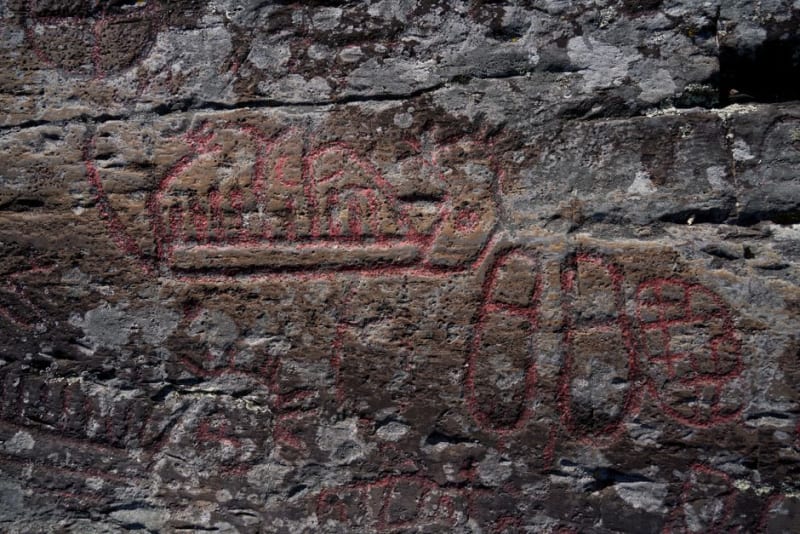 fiji
fiji Dakuniba Petroglyphs
A cluster of ancient rock carvings on Vanua Levu's remote Natewa Peninsula, unexplained, undated, and visited by almost no one.
Explore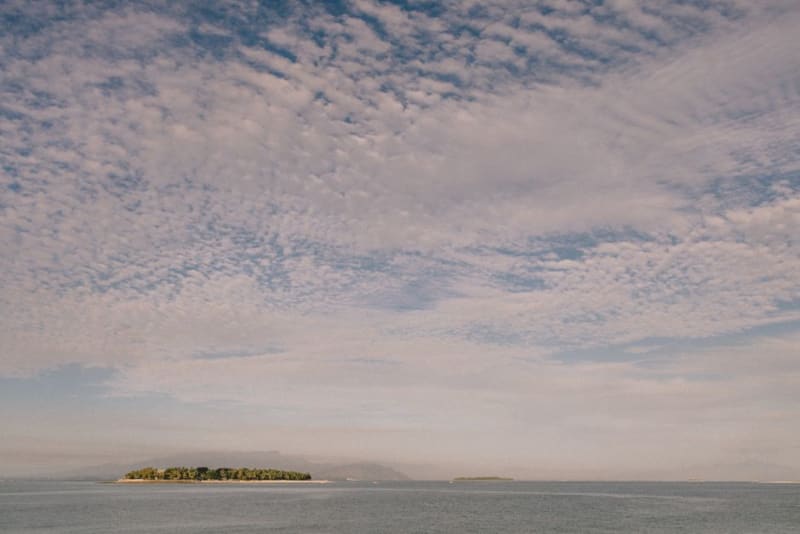 fiji
fiji Denarau Island
A man-made resort island off Nadi where manicured golf greens and a marina full of catamarans sit in careful, air-conditioned contrast to the rest of Fiji.
Explore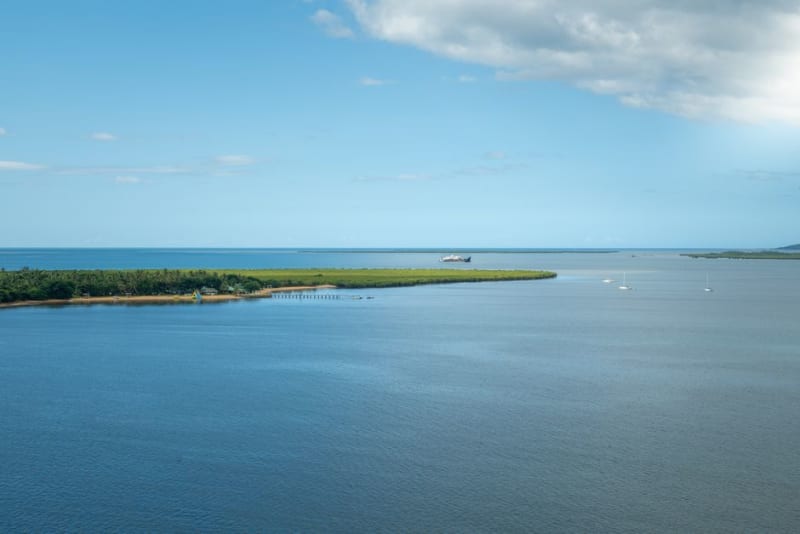 fiji
fiji Deuba
The unglamorous beach strip next door to Pacific Harbour, where backpacker resorts and a long grey-sand shoreline make for the most relaxed few days we had in Fiji.
Explore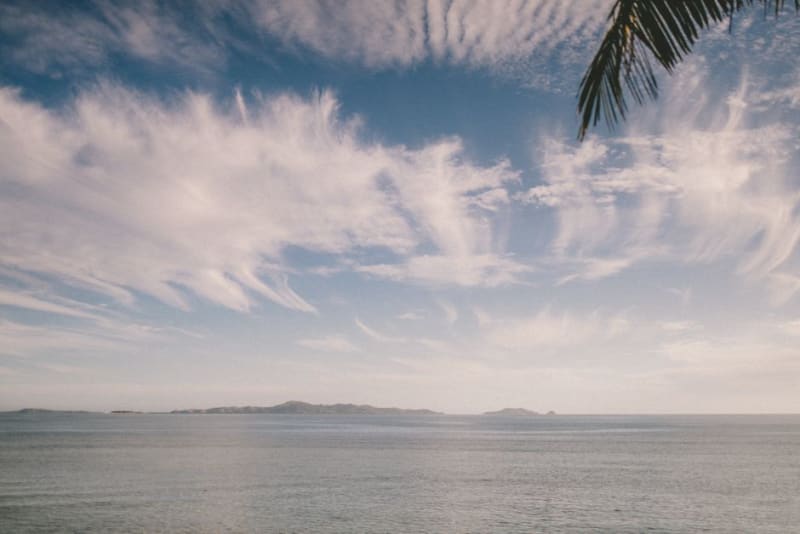 fiji
fiji Dravuni Island
A speck of sand and green hill at the northern tip of the Great Astrolabe Reef, best known as a cruise ship anchorage that empties out completely by four in the afternoon.
Explore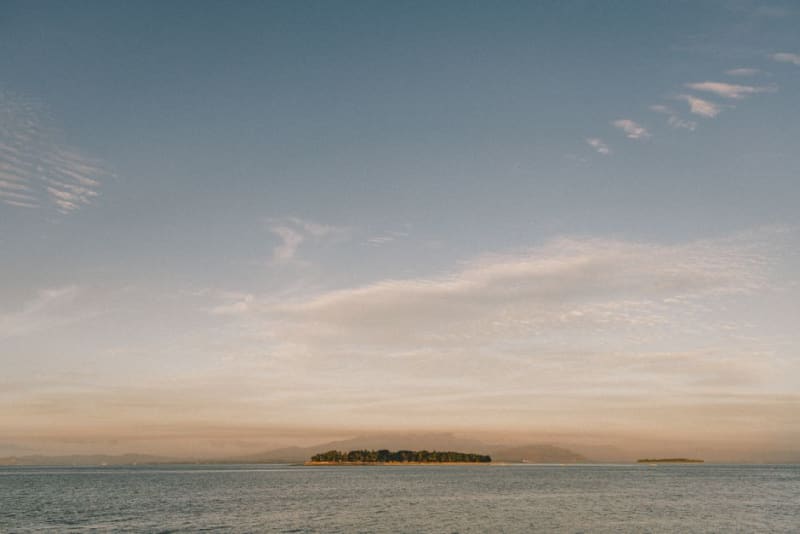 fiji
fiji Drawaqa Island
A small, largely uninhabited island whose entire reputation rests on a narrow channel where manta rays feed for half the year.
Explore