Caqalai Island
"The whole island took fourteen minutes to walk around. I checked, because I had nothing else scheduled for the day."
A speck of coral sand and coconut palms off Ovalau that you can walk around in fifteen minutes, run by one family and almost nobody else.
Getting to Caqalai involves a bus from Levuka to a village called Waitovu, a wait on a jetty that may or may not have a boat tied to it depending on the tide, and then a twenty-minute crossing in an open longboat piloted by a teenager who steered with one hand and ate a mango with the other. The island itself, when it appears, is almost comically small — maybe four hectares of coral sand, coconut palms, and a scatter of thatched bures, ringed by a reef flat so shallow you can wade out at low tide for what feels like a hundred metres before the water reaches your waist.
Caqalai is run by a single extended Fijian family who also serve as the resort’s entire staff, kitchen, and social calendar. There’s no menu — you eat what’s been caught or grown that day, announced at a communal table where guests from wherever happen to be sitting together, and dinner conversation naturally sprawls in whatever direction the group takes it. Lia and I ended up in a two-hour discussion about rugby league with an Australian couple and a Fijian deckhand who turned out to know more about the sport, and its history, than anyone else at the table combined.
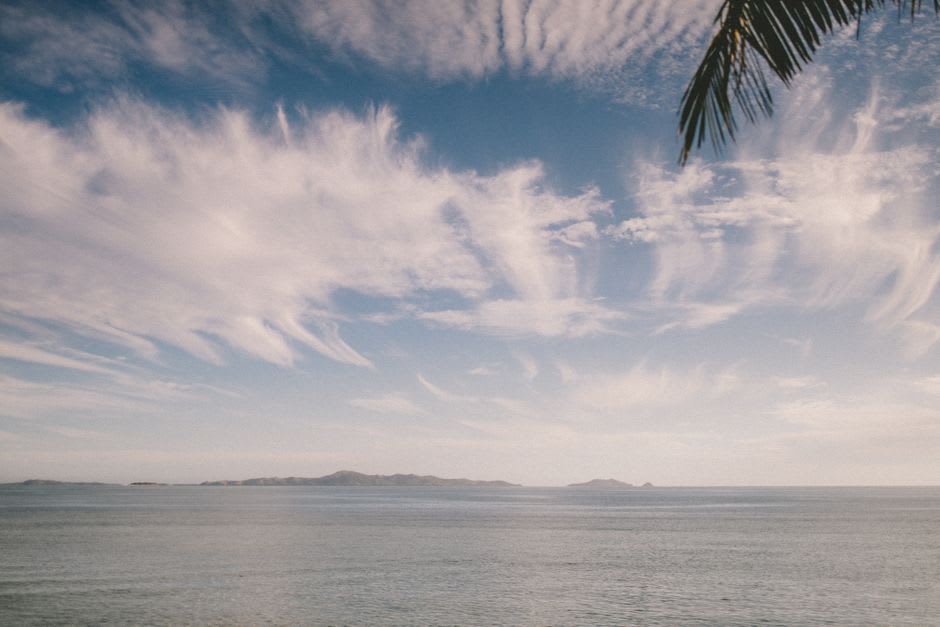
The reef around Caqalai is the real draw for anyone who snorkels, and you don’t need a boat to reach it — you walk off the beach at the eastern tip, where the sand drops into a channel lined with plate coral and small bommies thick with parrotfish, and drift along it with the current for a loop back to shore. I did this every morning before breakfast for four days straight and never once got bored of it, which says something given how repetitive most routines become that quickly.
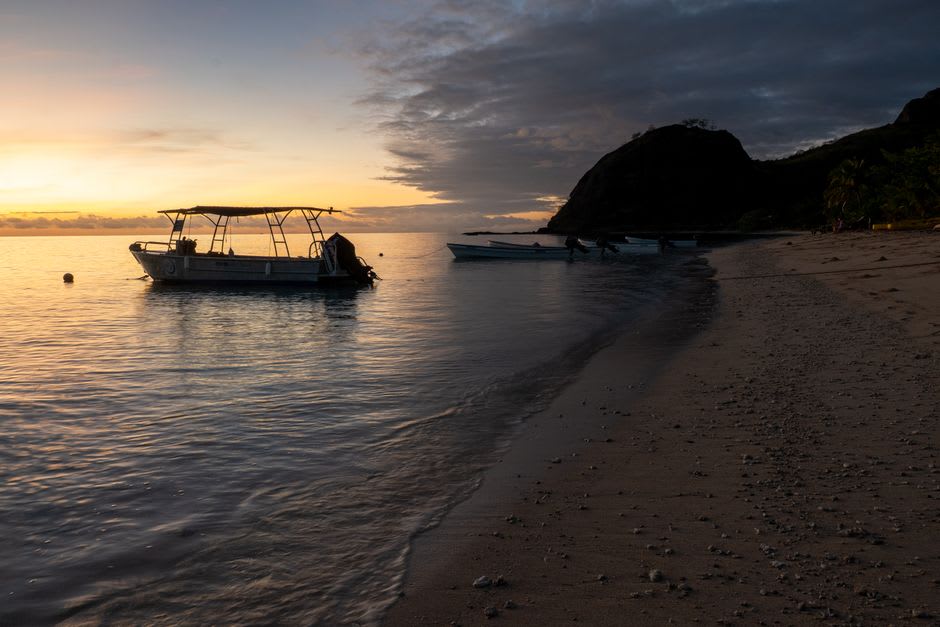
There is no electricity beyond a generator that runs for a few hours each evening, no wifi, and no real activity schedule beyond meals and tide times. We spent one entire afternoon doing nothing but reading in hammocks strung between palms, which is not something either of us does easily, and which felt, by the second day, like the entire point of coming.
When to go: May through October for calm crossings and the best snorkelling visibility. Boat transfers from Waitovu can be suspended in rough weather during the wet season, so plan an extra buffer day on Ovalau either side of your visit.
Keep exploring
More from Fiji
 fiji
fiji Castaway Island
A privately run resort island off Malolo where the beach wraps almost the entire circumference and the sunset over the reef pass is the best-attended free show in the Mamanucas.
Explore fiji
fiji Colo-i-Suva Forest Park
A cool, misty rainforest reserve fifteen minutes from Suva, where mahogany canopies, waterfall pools, and hiking trails reset your sense of what a capital city's backyard can be.
Explore fiji
fiji Coral Coast
The southern shore of Viti Levu where ancient sand dunes, a wild reef at low tide, and the slowest sunsets in the Pacific reward those who stay longer than a day trip.
Explore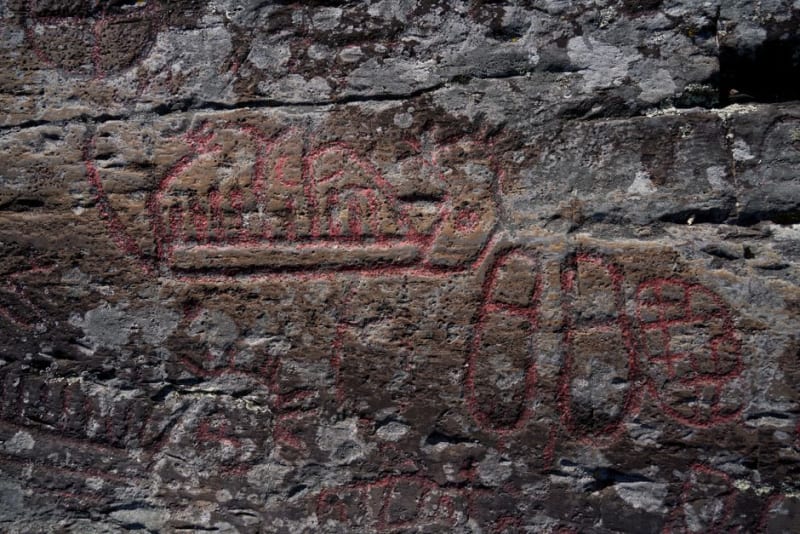 fiji
fiji Dakuniba Petroglyphs
A cluster of ancient rock carvings on Vanua Levu's remote Natewa Peninsula, unexplained, undated, and visited by almost no one.
Explore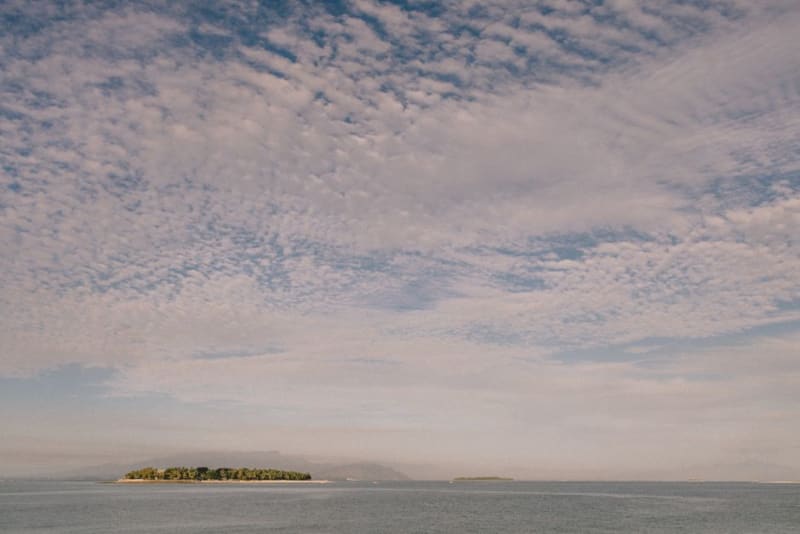 fiji
fiji Denarau Island
A man-made resort island off Nadi where manicured golf greens and a marina full of catamarans sit in careful, air-conditioned contrast to the rest of Fiji.
Explore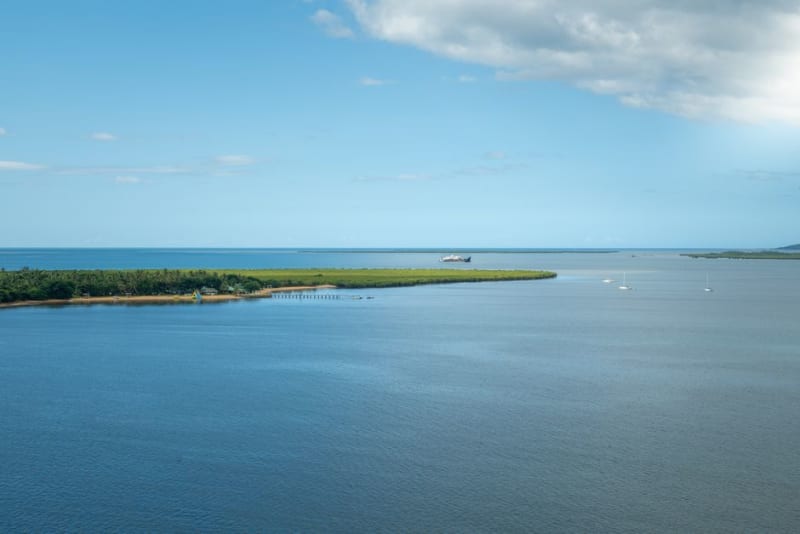 fiji
fiji Deuba
The unglamorous beach strip next door to Pacific Harbour, where backpacker resorts and a long grey-sand shoreline make for the most relaxed few days we had in Fiji.
Explore