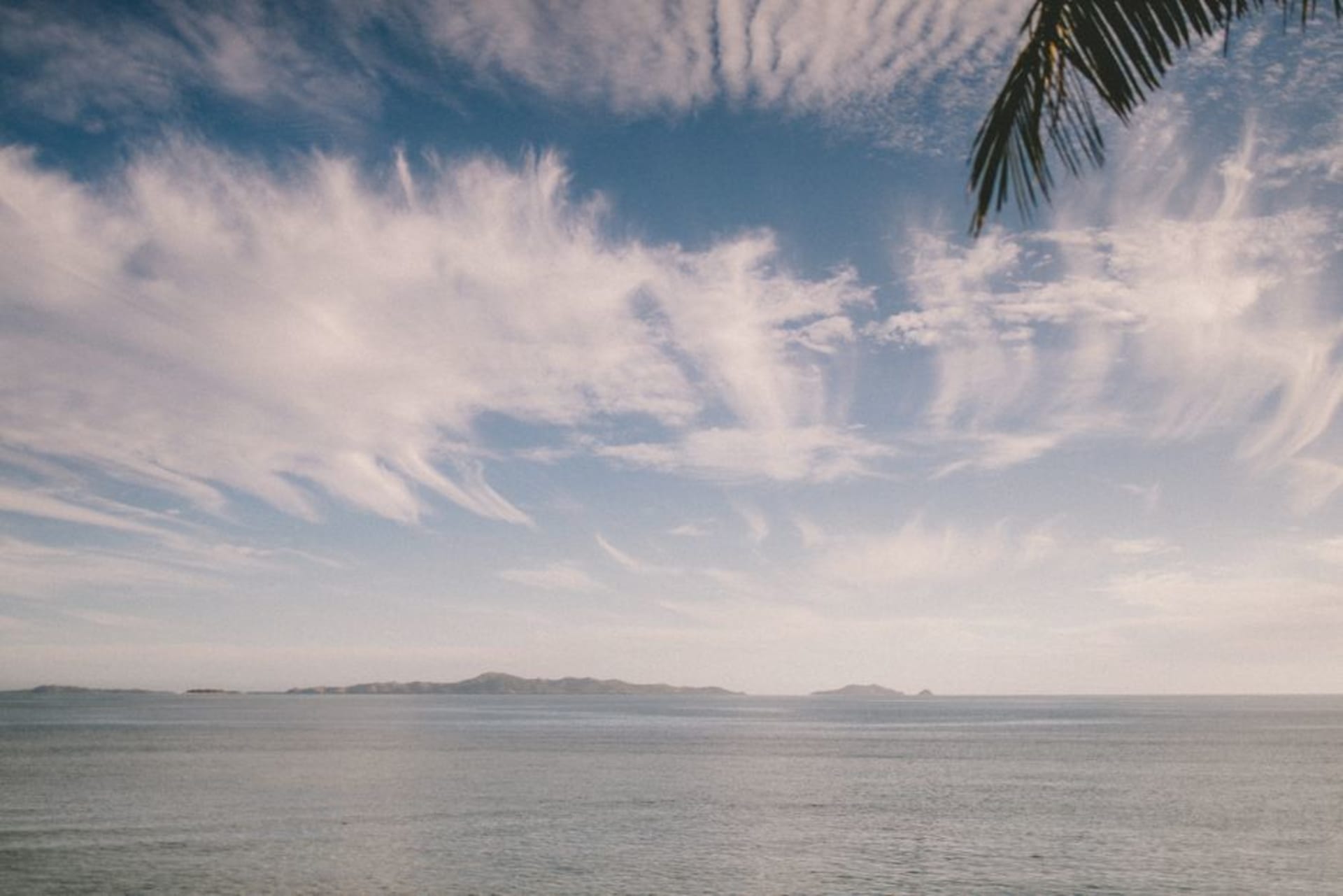
A tiny, tide-linked island off Viti Levu's coast that was once the most powerful seat in Fiji, still governed by protocol so old that visiting requires a formal invitation rather than a ticket.

Bau is barely half a square kilometer, a lump of volcanic rock connected to the Viti Levu mainland at low tide by a natural causeway that a person can walk across in about eight minutes, and for most of the nineteenth century it was, functionally, the most powerful place in the entire Fiji archipelago. I had read about Bau before the trip — how Ratu Seru Cakobau, the paramount chief who eventually ceded Fiji to Britain in 1874, ruled from here, how the island still holds a kind of ceremonial primacy in Fijian chiefly hierarchy that outranks its physical size by an almost comic margin — and I wanted to see it, but getting there is not something you simply arrange.
You need an invitation, or at minimum a local sponsor willing to make introductions, because Bau remains an inhabited chiefly village rather than a heritage site with opening hours. I got mine through a Suva-based historian I had been introduced to at, of all places, a kava session near the Fiji Museum, who made a call, vouched for us, and told us exactly what to bring: a bundle of waka, the unprocessed kava root, presented properly to the village spokesman before anything else happened. We drove out from Suva along the coast road, parked near Bauniveitatoloa on the mainland side, and crossed the causeway on foot at low tide with our sandals in hand, the mudflat cool and firm underfoot.

The island itself is quiet in a way that feels deliberate rather than merely sleepy — a scatter of houses, a church built on the site where, according to island history, a sacred stone once stood where the bodies of enemies were ritually presented before the introduction of Christianity in the 1850s ended that practice. Our host, a soft-spoken man who held a minor chiefly title I never fully understood the rank of, walked us past the Kauvadra, the great chief Cakobau’s former residence, and pointed out a war canoe mooring that once held the ratu drua, double-hulled vessels capable of carrying hundreds of warriors between islands. He spoke about Bau’s history with a mixture of pride and something more complicated, a recognition that the island’s dominance had come through conquest and, at times, brutality, alongside genuine cultural sophistication that predates any European contact.

We did the kava presentation properly, or as properly as a French visitor and his Fijian-adjacent guide could manage — sitting cross-legged, the waka presented with both hands, a short speech given on our behalf by our sponsor in a formal register of Fijian I could not follow. The bilo that followed felt different in weight than the casual kava sessions in Suva bars, less a social lubricant than an acknowledgment that we had been permitted into something. Walking back across the causeway as the tide crept in behind us, I understood why nobody markets Bau as a tourist stop. It resists that framing structurally — there is no ticket booth because the island’s entire logic runs on relationship rather than transaction.
When to go: Bau cannot be visited independently; arrange a sponsor and invitation through a Suva-based contact well in advance, and confirm tide tables, since the causeway is only passable on foot within a window of a few hours around low tide.
Keep exploring
More from Fiji
 fiji
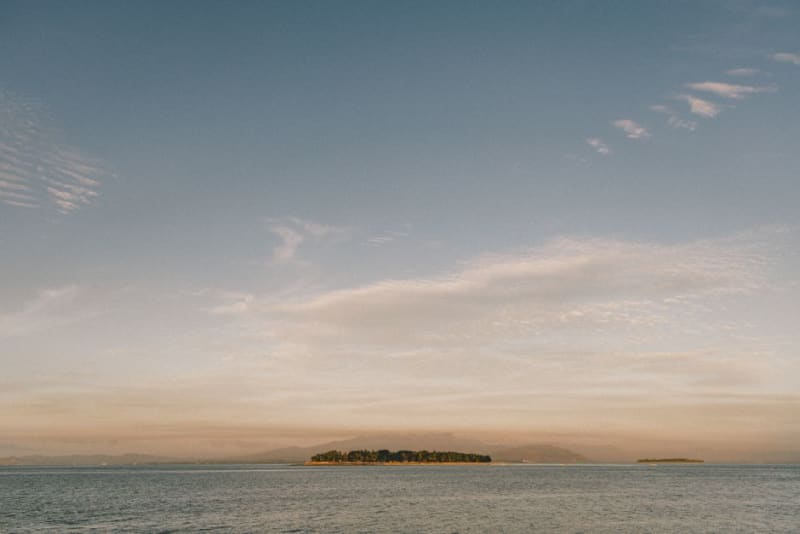
fiji Beachcomber Island
A tiny party-island sandbar off Nadi that has been the Mamanucas' backpacker institution since the 1960s, where the whole island is smaller than some resort pools elsewhere.
Explore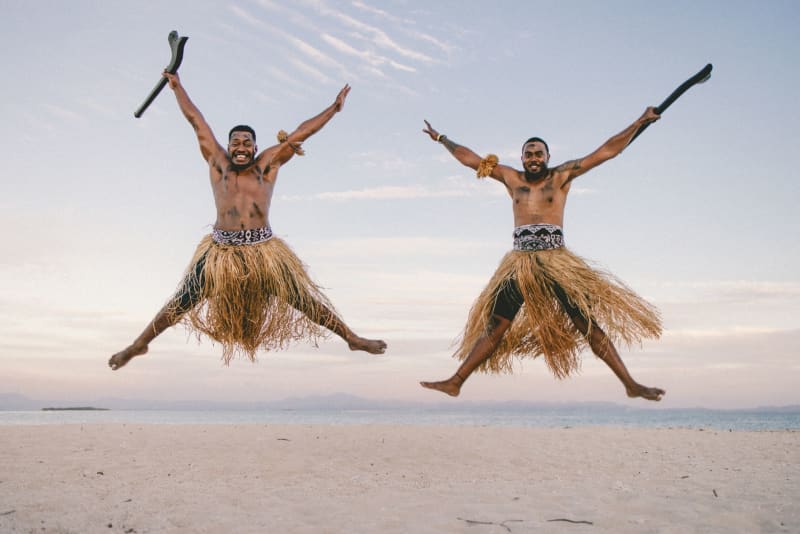 fiji
fiji Beqa Island
A small volcanic island off the Coral Coast where the indigenous Sawau people walk barefoot over white-hot stones and the sharks below the lagoon outnumber the tourists.
Explore fiji
fiji Beqa Lagoon Dive Resort
A small dive-focused resort inside Beqa Lagoon where the reef starts at the end of the jetty and the only sound at night is the tide working the coral.
Explore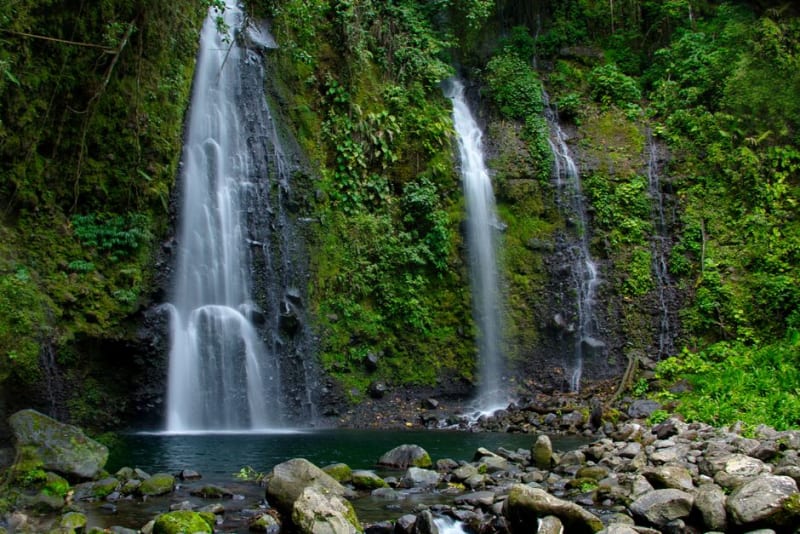 fiji
fiji Biausevu Waterfall
A jungle waterfall behind a traditional village on the Coral Coast, reached on foot and preceded by a kava ceremony you don't get to skip.
Explore fiji
fiji Bounty Island
A small, laid-back island south of the main Mamanuca cluster with a genuinely spectacular fringing reef and none of the day-tripper traffic of its northern neighbours.
Explore fiji
fiji Caqalai Island
A speck of coral sand and coconut palms off Ovalau that you can walk around in fifteen minutes, run by one family and almost nobody else.
Explore