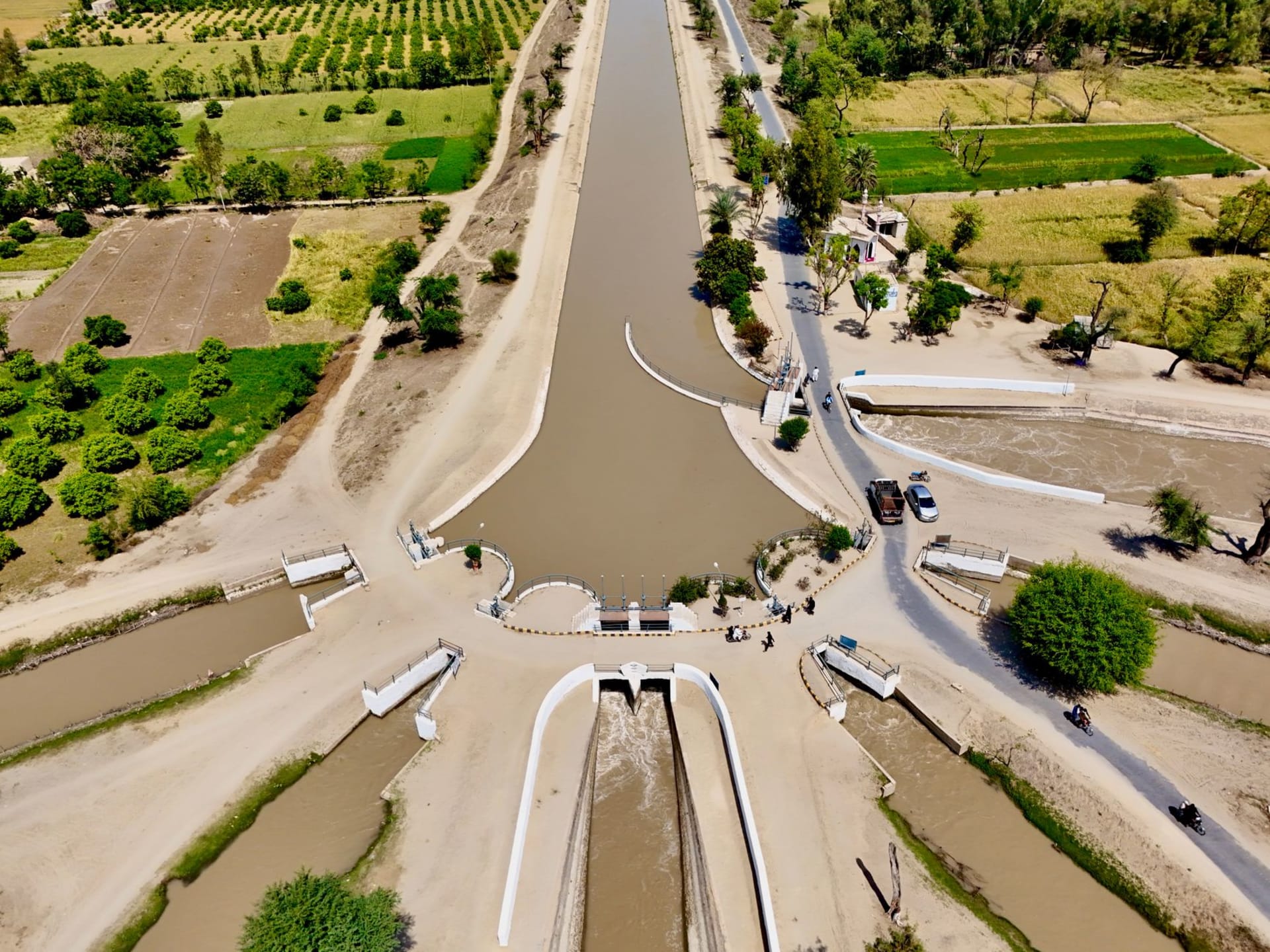
Namangan
"Namangan prays and trades and grows pomegranates, in roughly that order of importance."
I came to Namangan on a Friday and didn’t plan around it, which was the best accident I made in the Fergana Valley. Friday prayer at the Ota-Darvoza mosque brought several hundred men into the street outside the entrance — the courtyard filled past capacity and the overflow spread onto the pavement, prayer mats unrolled on the concrete with the efficiency of people accustomed to this logistics problem. I stood back and watched the street reshape itself around this event the way water reshapes around an obstacle: cars stopped, a tea seller materialized with a cart, a policeman directed traffic in the vague direction of away. The sound that came from inside the mosque during prayer, amplified and diffused by the architecture, was one of those sounds that changes the quality of the air around it.
Namangan is the largest city in the Fergana Valley and the most piously Muslim — during Soviet times it was the valley’s centre of underground religious life, and that history has produced a religious culture that is sincere without being performative. The mosques are functioning places of worship first and heritage sites somewhere further down the list. The Khoja Minhoj mosque and mausoleum complex, in a residential neighbourhood twenty minutes by taxi from the centre, is extraordinary in this way — a major site treated with the normalcy of daily use, with pilgrims arriving quietly, a caretaker sweeping the courtyard, an old woman selling prayer beads from a blanket by the entrance.
The Kasansay pomegranate orchards on the city’s outskirts are something I hadn’t expected to find moving. In late September and October, the fruit hangs so heavily that the branches lean toward the ground, and the growers walk the rows pulling pomegranates with a twist and thud that makes a sound like a slow drum. I was offered one — cut open with a knife and handed to me in sections, the seeds deeply red, sweeter and less acidic than anything I’d eaten before under the same name. The grower was clearly pleased with my expression and immediately cut a second one. This is how time disappears in Namangan.
The Chorsu Bazaar in the city centre operates daily and is one of those bazaars that has absorbed so many different functions it has become a neighbourhood of its own. The textile section has embroidered suzanis at prices below what you’ll find anywhere closer to Samarkand. The food court inside the covered hall, where a dozen stalls each claim specialization in a slightly different thing, does a spiced mung bean soup — mashhurda — that I ate twice in the same afternoon.
Namangan is also known for its non — the bread, baked in tandoor ovens to a size that barely fits in a backpack. I watched a baker at work for twenty minutes: the dough shaped on a wooden stamp that pressed a pattern into the centre, then slapped against the inside wall of a clay oven and pulled out minutes later, the surface golden and still steaming. He gave me one to carry away and I ate most of it standing on the pavement.
When to go: September to October for the pomegranate harvest — the orchards on the city outskirts are accessible by taxi and the produce at the bazaar reaches its peak quality. April and May are also beautiful, with the orchards in blossom. Friday visits add texture, though accommodation books up slightly faster on weekends.