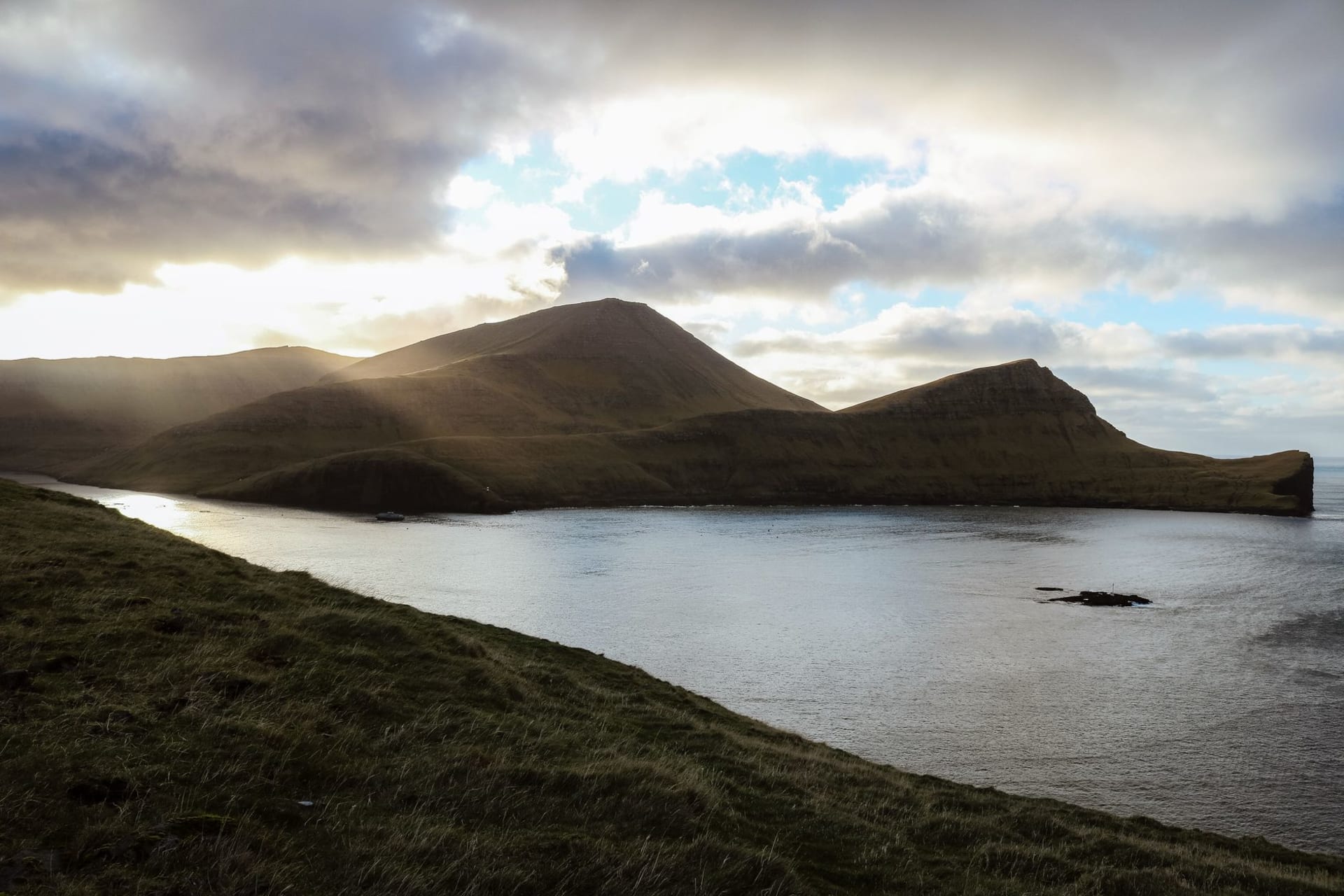
Mykines
"A puffin landed a foot from my boot and regarded me the way you regard someone who has sat in your chair."
The ferry to Mykines left Sørvágur in weather the captain clearly had reservations about, and for the first twenty minutes of the crossing I understood those reservations completely. The North Atlantic between Vágar and Mykines is open ocean with no softening — no sheltering islands, no bay, just fetch — and the small vessel worked through the swells with a determination I tried to match by fixing my eyes on the horizon and thinking of other things. Then the island appeared: a dark wedge of basalt with a lighthouse on its western tip, and I forgot entirely about the sea beneath me.
Mykines is the westernmost point of the Faroe Islands, and by extension the westernmost point of the archipelago before the next landfall is the North American continent. The village of Mykines, the only settlement, counts perhaps a dozen permanent residents outside of summer. The path from the dock climbs steeply through grass past turf-roofed houses to the ridge above the cliffs, and it was here, in early June, that I walked into the densest concentration of puffins I had ever seen outside a documentary. They were everywhere — perched on rocks a meter from the path, standing in pairs outside their burrows, launching into the air in thick, improbable-looking trajectories with beaks crammed full of sand eels. One landed directly in front of my boot and regarded me with the expression of a civil servant who has processed considerably stranger requests than my presence on this cliff.
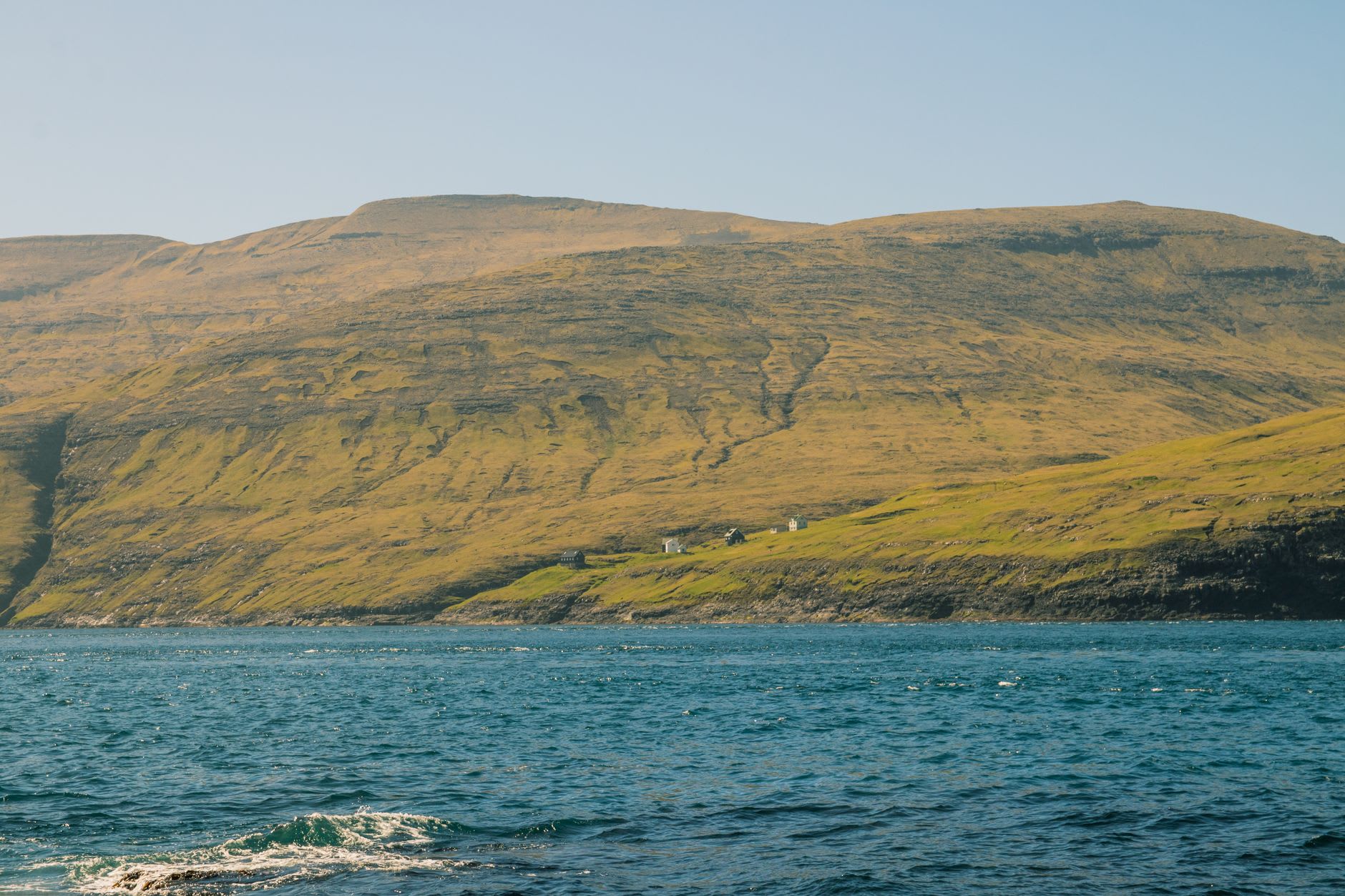
The suspension bridge over the gorge between the main island and the Mykineshólmur islet is the climax of the walk — a swaying narrow span above water that crashes through a channel cut by two cliff faces meeting close. Cross it and you reach a landscape so exposed it feels like the planet’s rough draft: the lighthouse keeper’s old house, the ruins of outlying farms, a ridge that drops on three sides to the sea. I ate the lunch I’d packed there — sardines on bread from the Tórshavn bakery — and the wind stole the paper bag before I finished. A gannet passed close enough for me to see the yellow flush of its head.

The puffins come and go during the day in flights that are almost comic in their determined, rapid-wingbeat urgency — they are aerodynamically optimised for swimming, not flying, and it shows. There are also storm petrels on Mykines, arriving at their burrows after dark when predators sleep, their calls giving the night a strange churring quality entirely unlike anything diurnal. I stayed in the only guesthouse and lay awake listening to the cliffs making their sounds, the crash of the sea and the birds above it, and felt something I can only describe as gratitude — not for anything specific, just for being in a place that is this completely itself.
When to go: Puffins nest on Mykines from late April through mid-August; the lighthouse and full cliff walk are accessible in summer only. The ferry runs from Sørvágur but is frequently cancelled due to weather — I missed two departures before making the crossing. Build at least three to four buffer days if Mykines is a priority; the island is worth the wait.