Weddell Island
"Some places don't want to be reached easily, and Weddell Island made sure we knew it."
A wind-scoured sheep farm at the edge of the world, where a marooned sealer's shelters and a century of quiet ranching outlast every visitor.
Getting to Weddell Island takes effort, and that’s precisely what convinced me we had to go. Lia found the charter flight out of Stanley almost by accident, scrolling through options after our second week in the Falklands, and I remember her turning the laptop toward me and just saying “largest of the outer islands.” That was enough. We landed on a grass airstrip with the wind trying to take the plane door out of the pilot’s hands, and within minutes I understood why this island used to be called Swan Island before it was renamed for James Weddell — everything here feels like it belongs to the birds and the water more than to us.
What stayed with me longest wasn’t the scenery, though the scenery is staggering. It was standing near where American sealer Charles Barnard was marooned in 1813 with four of his crew, and picturing them building shelters out of whatever the island gave them, waiting for a ship that took far too long to come. Our guide, a weathered farmhand who’d lived on Weddell his whole life, told the story without any dramatics, like it was just part of the land’s memory. I ate a lunch of mutton stew that afternoon at a table overlooking the water and couldn’t stop thinking about how thin the line was between Barnard’s ordeal and our own comfortable curiosity.
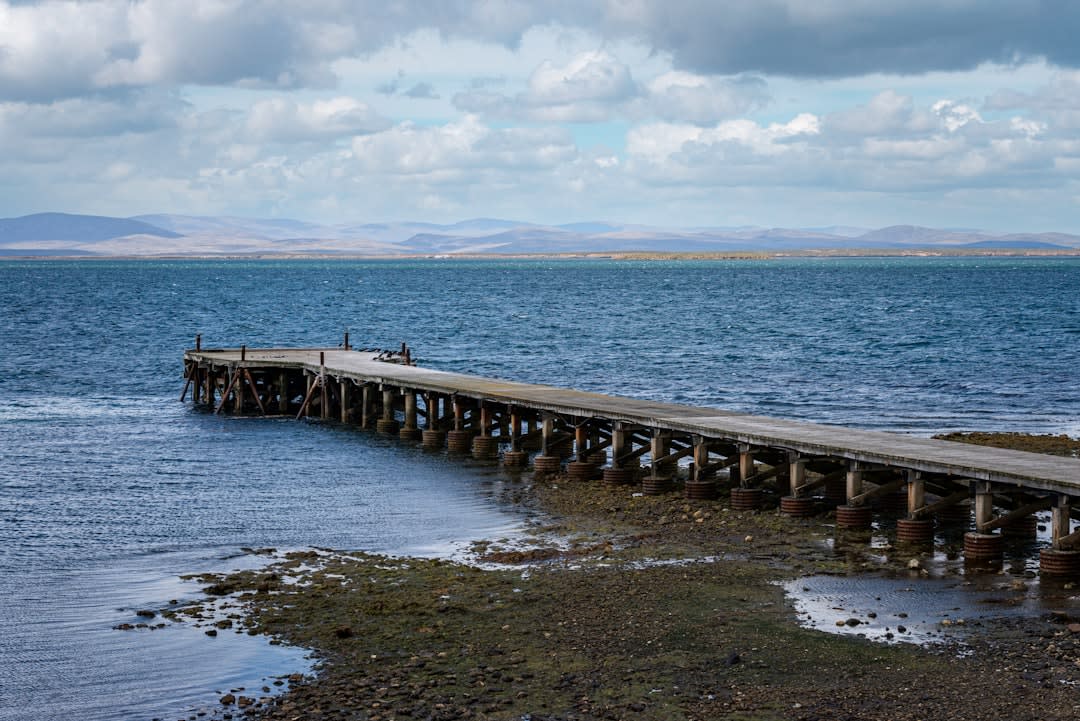
The Hamilton era is what actually shapes the island today. Scottish emigrant John Hamilton built Weddell into a serious sheep operation starting in the 1880s, and you can still feel that ambition in the fence lines and shearing sheds scattered across the interior. Lia was more taken with the story of the Penelope, the ship Hamilton kept moored at the settlement until the 1950s — originally the German vessel Feuerland, once used by the aviator Gunther Pluschow. We stood on the jetty where it used to dock and I tried, and mostly failed, to picture a German flying boat pioneer’s ship ending its days here, tied to sheep-farming routine on the edge of the South Atlantic.
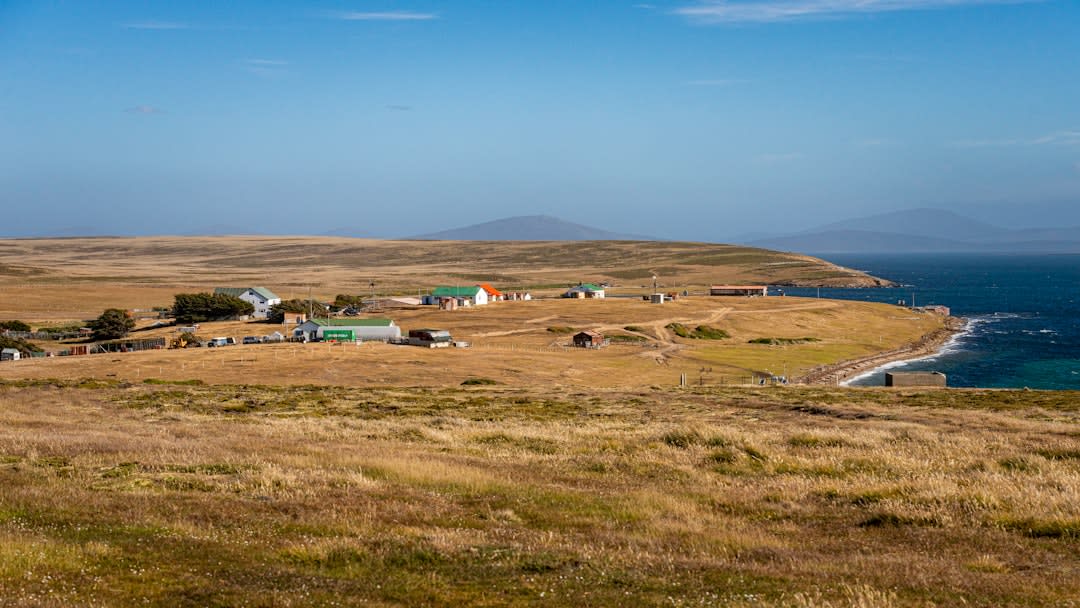
Weddell Settlement itself is tiny, just a handful of buildings on the east coast holding on against the wind, and the rest of the island is still run as working farmland and a wildlife reserve in equal measure. We spent our last afternoon walking the shoreline near the settlement, watching caracaras strut along the tussac grass like they owned the place, which, in fairness, they mostly do.
When to go: We went in January, deep in the austral summer, and I’d steer anyone toward the November-to-February window — the weather softens just enough to make the wildlife-watching worth the long trip out.
Keep exploring
More from Falkland Islands
 falkland-islands
 West Point Island
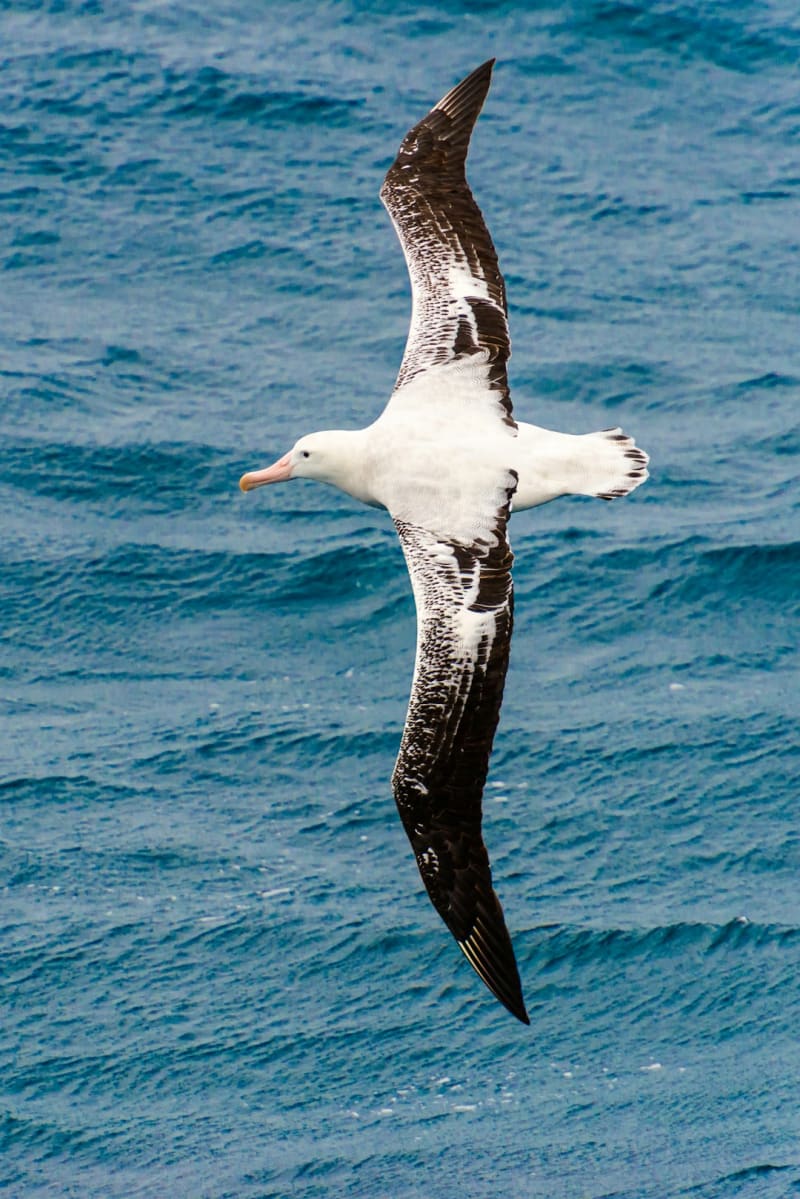
A remote sheep farm turned albatross sanctuary, where thousands of black-browed albatross nest beside rockhopper penguins on wind-carved cliffs.
Explore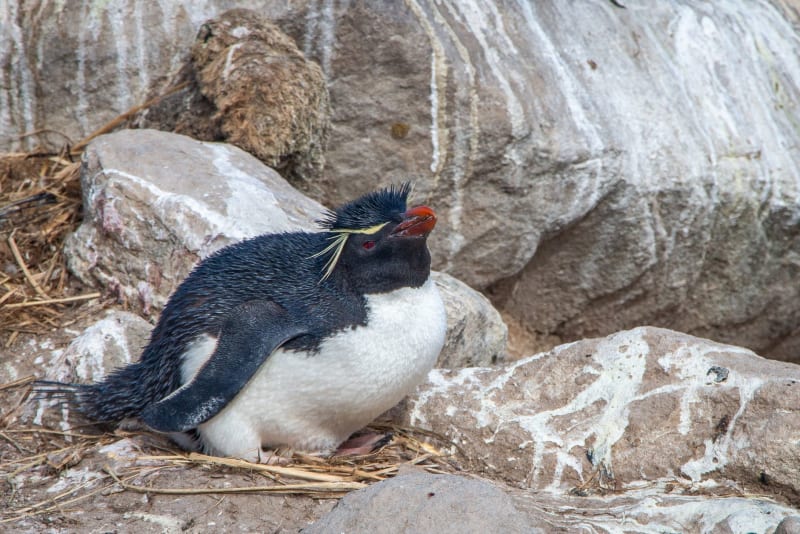 falkland-islands
 Bleaker Island
Despite its name, Bleaker Island is luminous with wildlife — gentoo penguins, magellanic burrows, endemic geese, and white-sand beaches that belong to almost no one.
Explore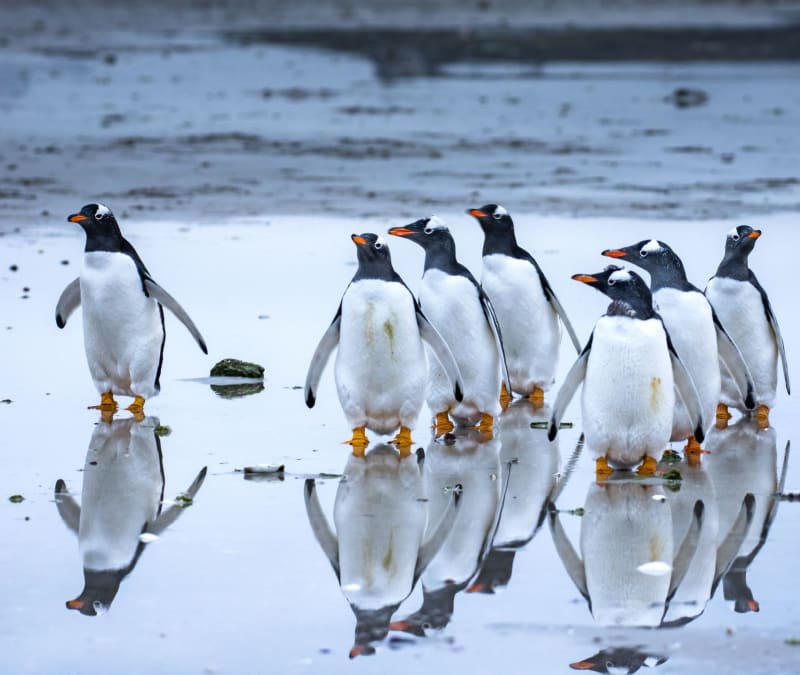 falkland-islands
 Carcass Island
A rat-free island where striated caracaras steal food from your plate at afternoon tea and black-browed albatrosses wheel overhead with magnificent indifference.
Explore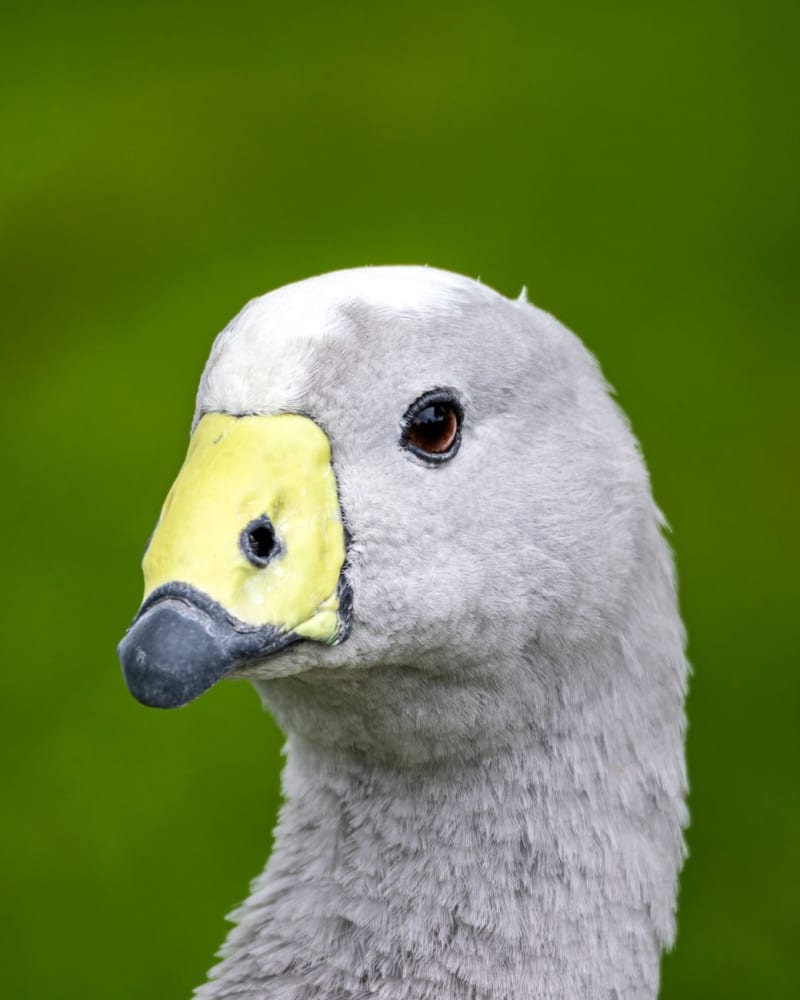 falkland-islands
 Goose Green
A tiny sheep-farming settlement on East Falkland, the largest community outside Stanley, where the most famous land battle of the 1982 war was fought across windswept grass that looks like nothing at all.
Explore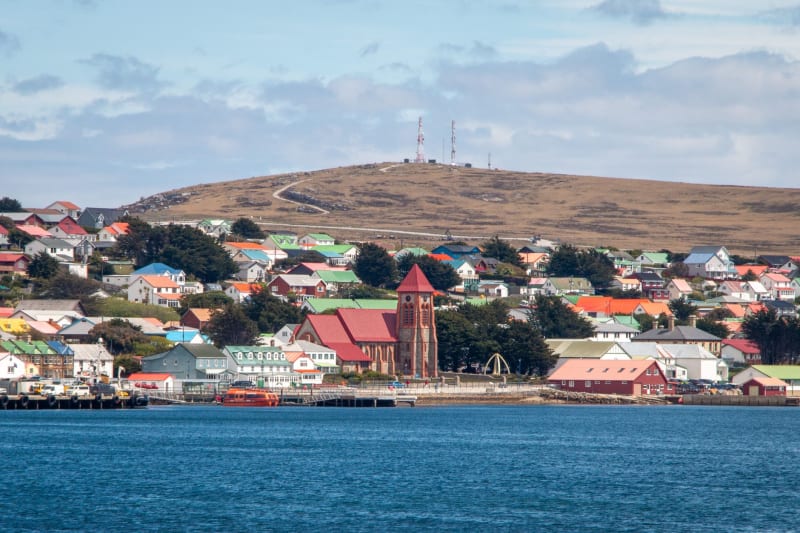 falkland-islands
 Mount William
The quartzite ridge above Stanley where the 1982 war reached its decisive hours — a day hike that moves through geology, military history, and the widest view in the islands.
Explore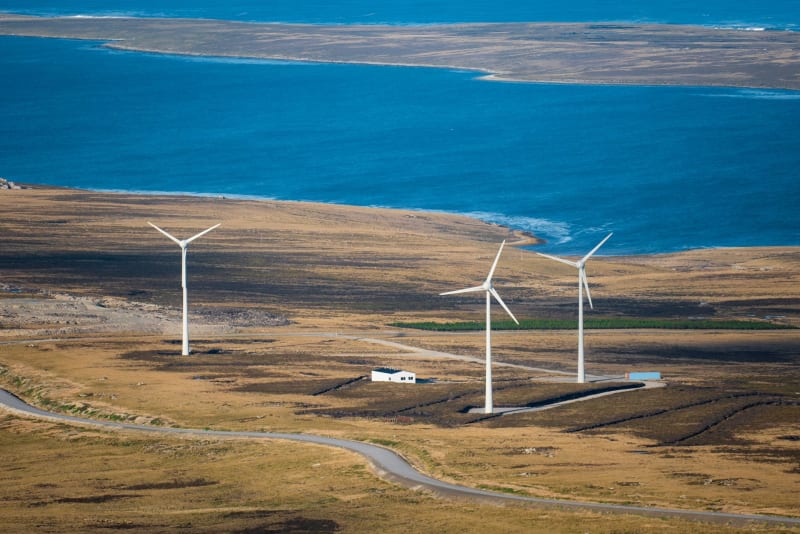 falkland-islands
 New Island
At the western extreme of the archipelago, New Island's dramatic cliffs hold rockhopper penguins, black-browed albatrosses, and a silence that feels like the end of the navigable world.
Explore