New Island
"New Island is where the Falklands run out of land and the ocean takes everything. Standing on those cliffs, I finally understood what people mean by the end of the world."
At the western extreme of the archipelago, New Island's dramatic cliffs hold rockhopper penguins, black-browed albatrosses, and a silence that feels like the end of the navigable world.

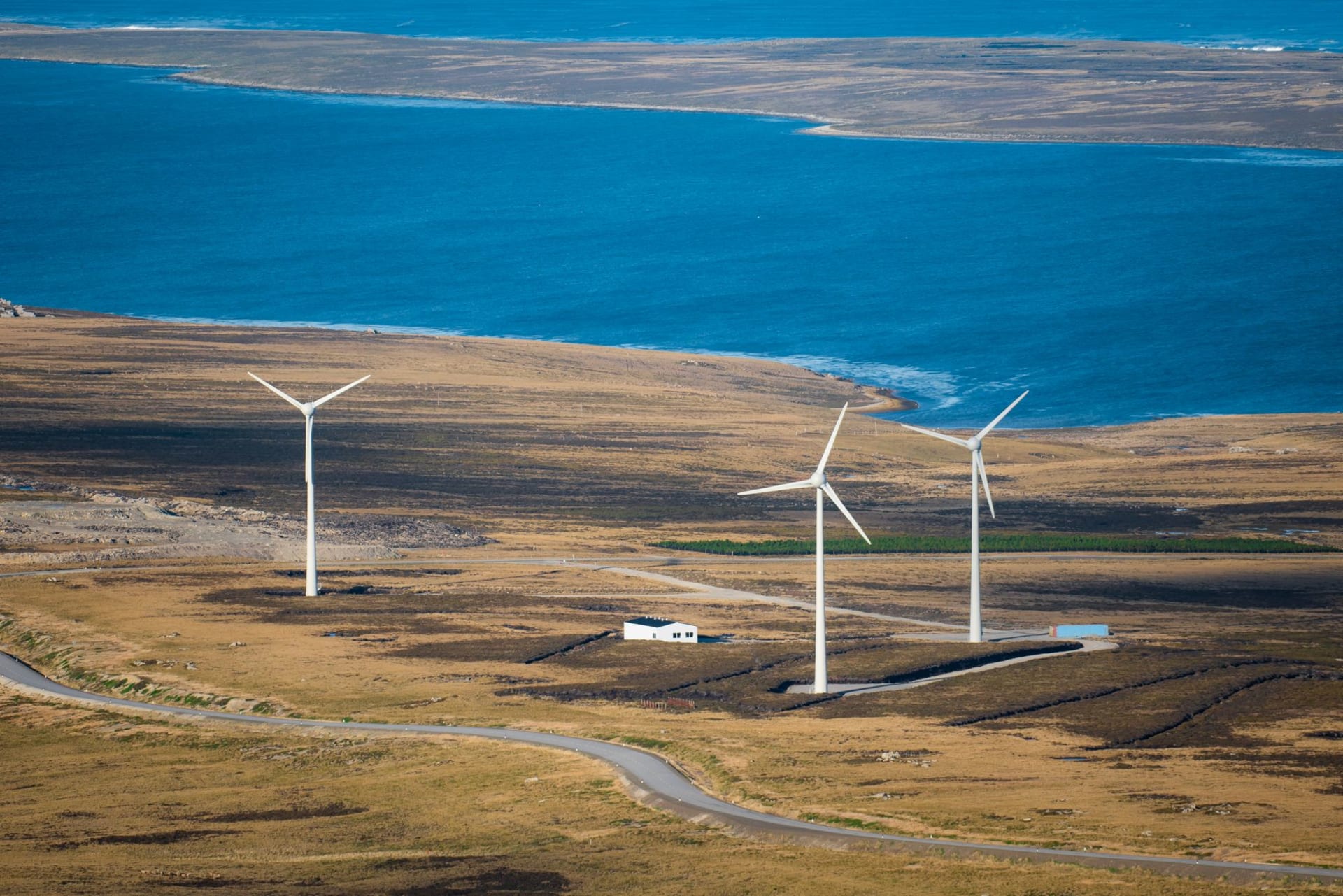
The flight to New Island is short and takes you over a patchwork of water and land that grows steadily more fragmentary as the archipelago breaks apart towards its western edge. From the air you can see the island’s shape clearly — elongated north to south, its western shore a line of cliffs that drop directly into the South Atlantic, its eastern side sheltered enough to hold the small settlement and the nature reserve’s modest infrastructure. The pilot lands on a grass strip that ends near the clifftops with a margin you choose not to calculate and taxis back towards the single farm building where the settlement begins and, more or less, ends.
New Island is a private nature reserve, managed since the 1970s by conservation interests and now protected with a seriousness that shows in the density of its wildlife. No introduced predators. No vehicles on the clifftops. A visitor policy that limits numbers with the genuine conviction that the birds matter more than the visitors, which is the only correct policy and also one that most wildlife destinations pay lip service to rather than enforce. Coming here requires planning, commitment, and the kind of specific interest in seabird colonies that sorts the wildlife travellers from the wildlife tourists.
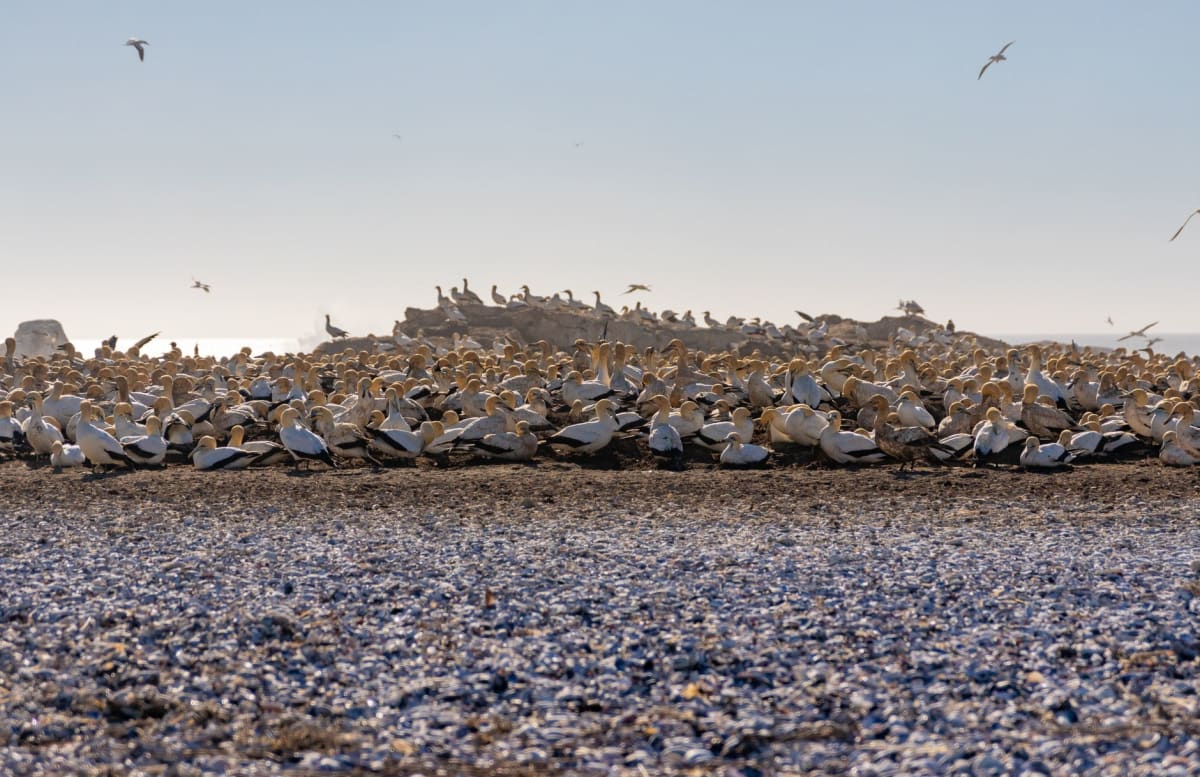
The cliffs on the western shore are where the island declares itself. Rockhopper penguins nest here in dense colonies on the ledges and in the grass above the clifftops, and the colony’s sound reaches you before the sight of it — a sustained, layered noise, half quarrel and half chorus, that grows as you approach. The rockhoppers themselves are operatically dramatic birds: red-orange eyes, yellow eyebrow plumes that flare outward, and an attitude to the difficulty of cliff-living that borders on belligerent enthusiasm. They clamber up near-vertical rock faces, fall, clamber again, apparently finding this neither difficult nor undignified.
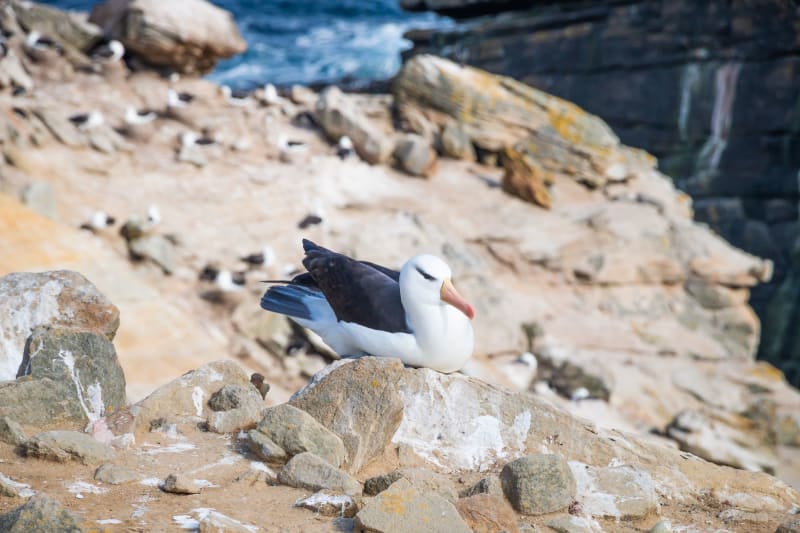
Above the rockhopper colony, black-browed albatrosses occupy the grassy clifftop in rows that stretch as far as the tussock hides them. The scale of the combined colony — penguins below, albatrosses above, the ocean underneath everything — is one of the great wildlife experiences the South Atlantic offers, and it is almost entirely unknown outside specialist circles. Falklands visitors who stay only in Stanley or visit only Volunteer Point never see this. It requires the commitment of the western islands.
In the kelp beds below the cliffs, southern fur seals move with the specific fluid urgency that makes them look electrified. They haul out on the lower rocks between dives, their dark wet fur flashing against the pale quartzite. The kelp itself is a different ecosystem entirely — a forest of brown fronds that moves in the current like slow breathing — and the fur seals seem to navigate it as naturally as I navigate a city street, if considerably faster.

The evenings at New Island are unlike evenings anywhere else I have slept. The sun goes down behind the open ocean in the west, which means there is nothing to interrupt the spectacle — no headland, no other island, just a horizon that extends to South Georgia and beyond that to nothing until Antarctica. The light goes orange and then red and then a deep violet that darkens over the cliff colonies, where the birds are settling for night, adjusting themselves on their nests with small sounds. I stood at the clifftop until I could no longer see the ocean clearly and felt, for the first time in a long time, that I was genuinely at the edge of something. Not the edge of danger or disaster. The edge of the human world, which is a very different and entirely welcome sensation.
When to go: November through February for active breeding colonies; the rockhopper and albatross nests are most dramatic December through January. Access is limited and must be arranged well in advance through the New Island Conservation Trust. This is not a casual detour.
Keep exploring
More from Falkland Islands
 falkland-islands
 Pebble Island
Named for its semi-precious stones, Pebble Island layers 1982 war history over some of the Falklands' finest wildlife — and the beach itself is a kind of treasure hunt.
Explore falkland-islands
 Port Howard
West Falkland's largest settlement is a working sheep station under the shadow of Mount Maria — a place where five generations of the same families have built something that looks like permanence.
Explore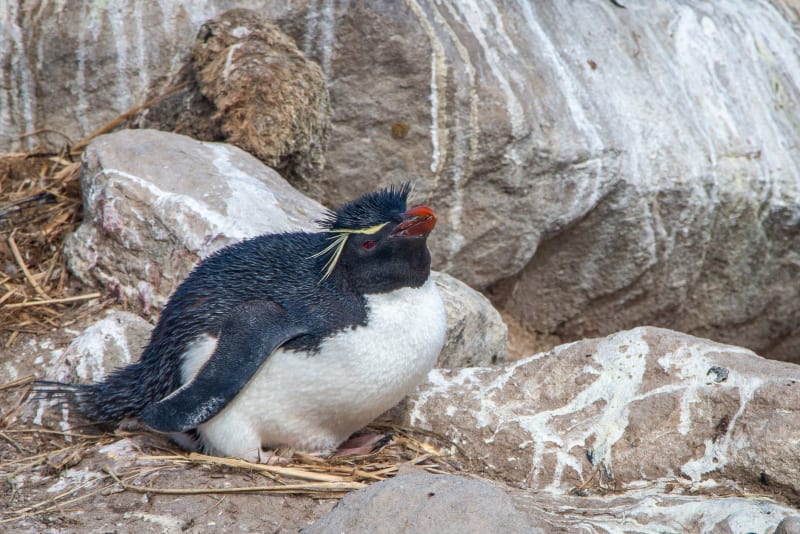 falkland-islands
 Saunders Island
A narrow gravel isthmus called The Neck holds four penguin species in one wild sweep of beach — Saunders Island is the Falklands' most quietly spectacular wildlife destination.
Explore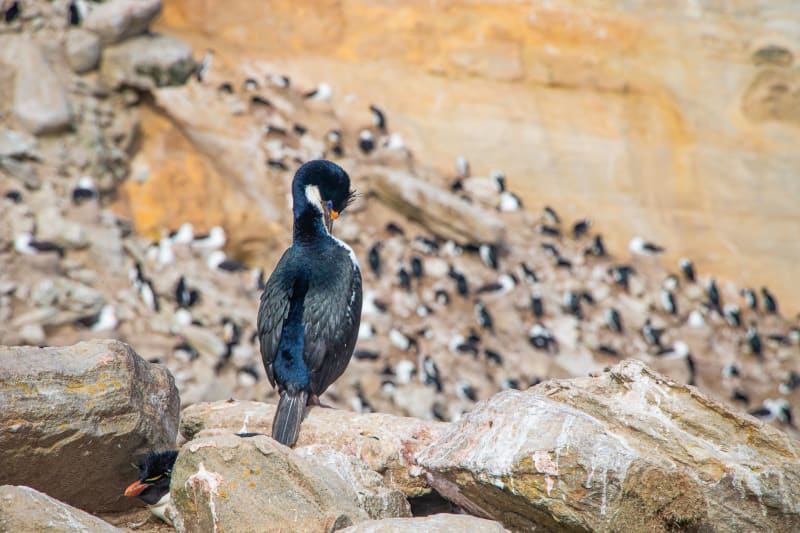 falkland-islands
 Sea Lion Island
The Falklands' southernmost inhabited island, where southern elephant seals spar on the beaches and orcas patrol close enough to the shore to make your pulse spike.
Explore falkland-islands
 Stanley
The wind-battered capital where corrugated-iron rooftops, a cathedral too grand for its congregation, and rusting shipwrecks tell the whole story of stubborn survival.
Explore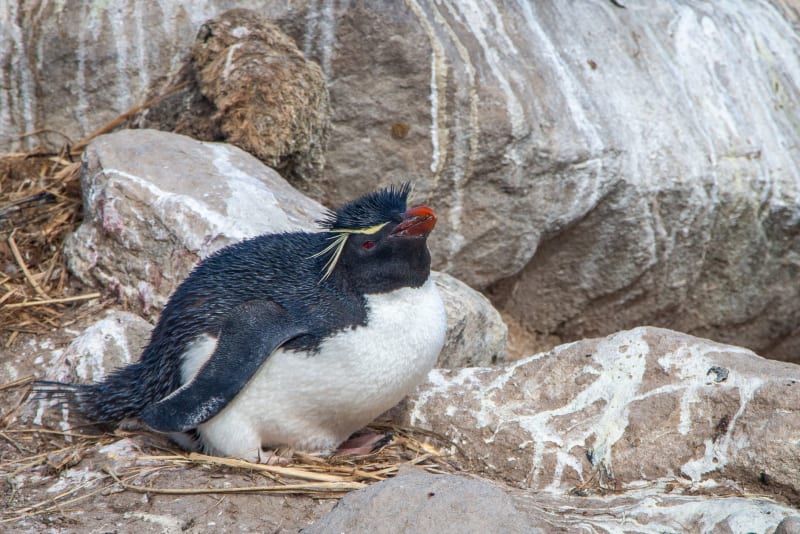 falkland-islands
 Volunteer Point
The largest king penguin colony in the Falklands lies at the end of a bone-rattling dirt track — and nothing can prepare you for the first moment you see them.
Explore