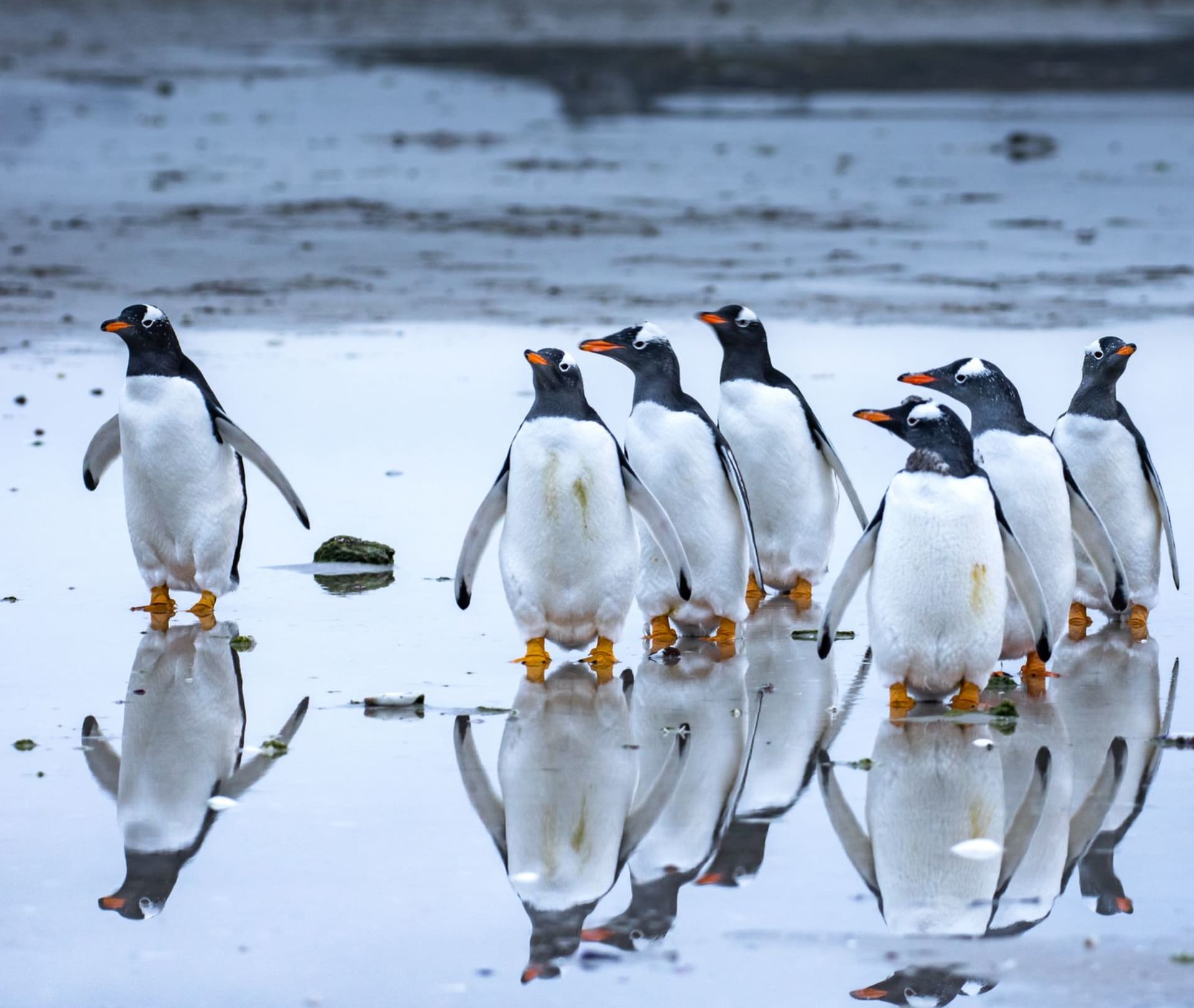
Carcass Island
"A striated caracara reached across the picnic table and took my shortbread biscuit. I did not even attempt to stop it."
The grass strip at Carcass Island is short enough that the pilot reduced speed in a way that made the aircraft shudder and everyone on board go very quiet. We bounced twice on the uneven ground, slowed quickly, and then there was silence except for the wind moving through the tussock grass on either side of the strip. A Land Rover appeared from behind a low hill, driven by the kind of person who has lived their entire life somewhere with no traffic and moves through space accordingly — unhurried, confident, entirely at home. We loaded our bags into the back and drove across the island to the farmhouse in less than ten minutes.
The first striated caracara appeared before I had finished my cup of tea.
Carcass Island is famously rat-free — the result of decades of careful eradication — and the effect on its birdlife is staggering. Songbirds that have been driven to extinction or near-extinction on the main islands by introduced rodents nest openly here: Falkland thrushes, dark-faced ground tyrants, long-tailed meadowlarks singing from fence posts. The tussock birds — small wrens that live exclusively in the dense tussock grass — dart across the paths with the confidence of animals that have never been hunted. It sounds like what the Falklands might have sounded like before humans arrived with their stowaways.
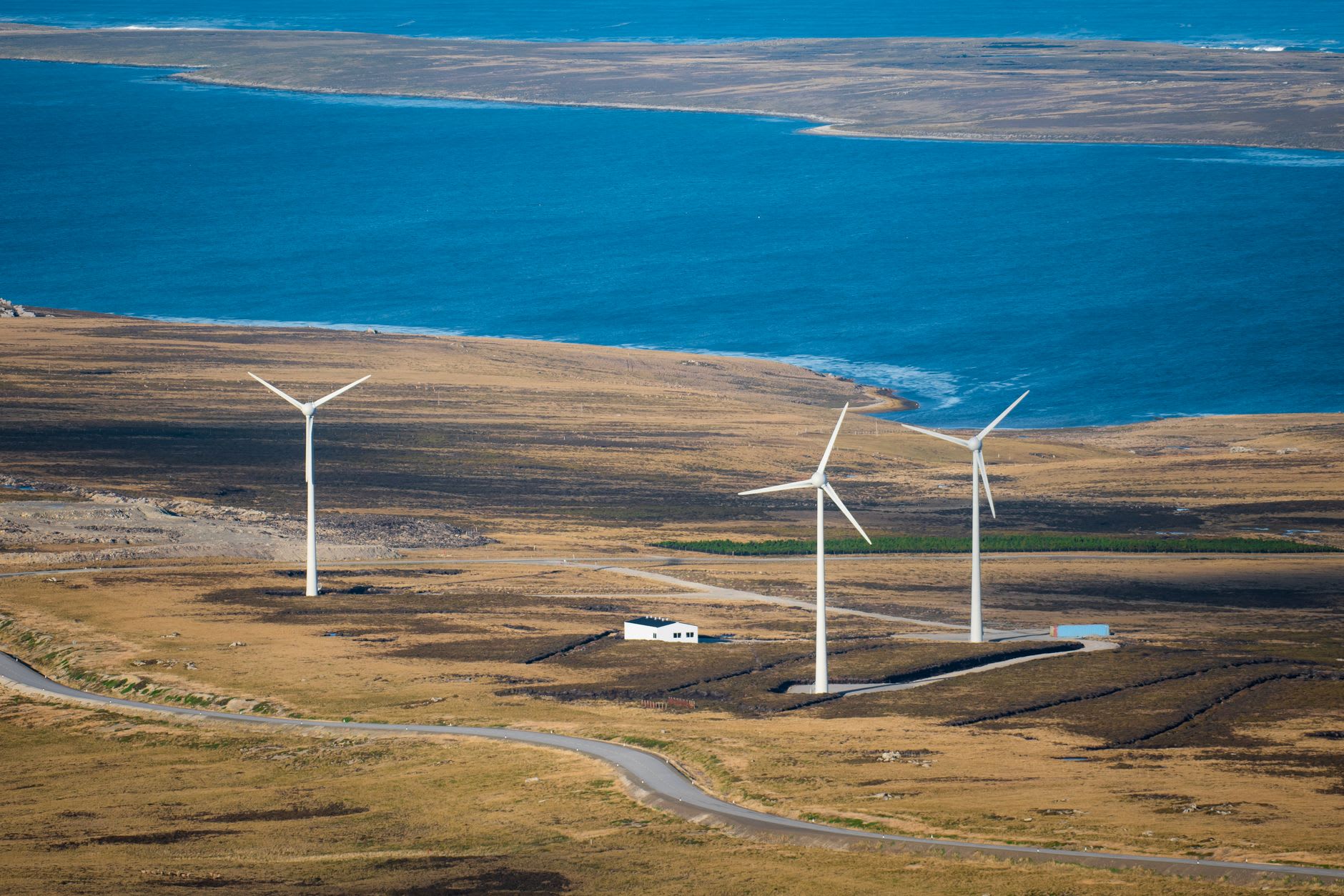
But it is the striated caracaras — the Johnny rooks, as islanders call them, after their Latin name Phalcoboenus australis — who define Carcass Island’s particular personality. They are not shy. They are not even especially cautious. They are curious in the most direct and immediate sense: they will walk up to you, tilt their heads, and then, if opportunity presents itself, take whatever you are holding. At afternoon tea on the picnic table outside the farmhouse, they are a constant presence. One hopped onto the table and surveyed the spread with the air of someone checking a menu before deciding. I watched it for a moment too long and it made its decision: my shortbread biscuit, gone in two quick movements. The other guests laughed. The caracara flew to a fence post and ate the biscuit with great composure, watching us as though we were the ones who had done something unreasonable.
In the afternoon I walked to the western shore where the black-browed albatross colony spreads across a clifftop above the sea. Up close, albatrosses are larger than you expect — the wingspan reaches two and a half metres, and when one glides past you at eye level, which happens, the sound of the air moving beneath those wings is something you feel as much as hear. The nests are mud pedestals stacked in rows, and the birds sit on them with absolute calm, occasionally touching bills with their partners in a mutual preening that seems almost domestic. Below the colony, the sea crashed white against the rocks and a pair of Peale’s dolphins moved through the kelp beds with that unhurried grace that dolphins always carry.
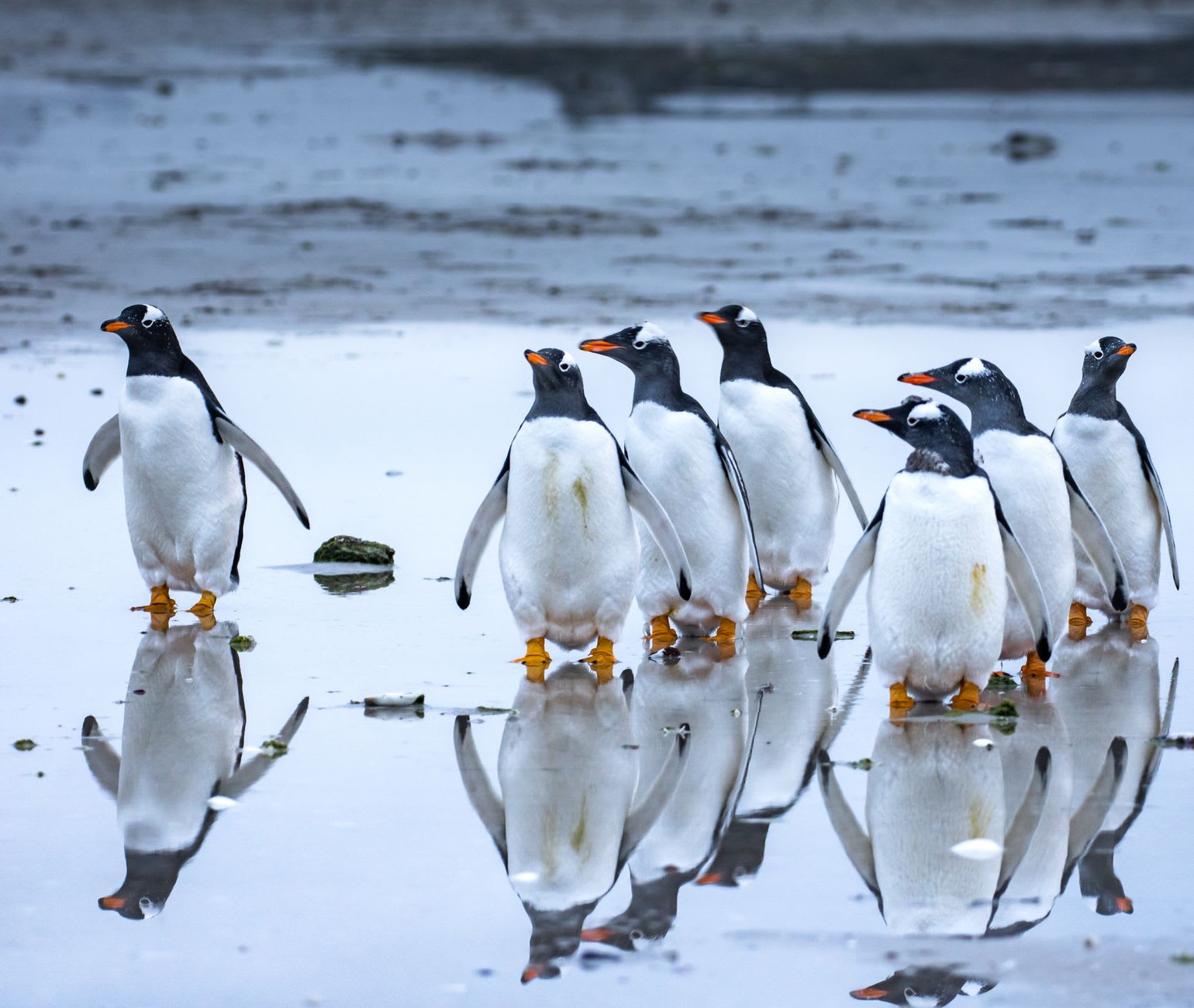
Dinner at the farmhouse was communal, served at a long table, with a lamb that had clearly been raised on the same island. The conversation moved between fellow guests — most of them wildlife photographers with equipment that cost more than my flight — and the hosts, who had the particular manner of people who have chosen their isolation deliberately and are very certain it was the right choice. By the time I walked back to my room, the sky had gone a shade of deep violet I had no name for, and three caracaras were sitting on the roofline in silhouette, waiting for morning.
When to go: October through March, the full austral summer. Cruise ship passengers visit for a few hours in summer; staying overnight changes the experience entirely. Book well in advance — capacity is extremely limited.