
Bleaker Island
"Don't let the name mislead you. I have rarely felt less bleak than I did standing on Bleaker Island at dusk watching the light go gold on the gentoos."
Someone in the nineteenth century named this island with spectacular inaccuracy, or possibly a very dry sense of humour. Bleaker Island is not bleak. It is luminous. The beach on the eastern shore is the whitest sand I encountered in the Falklands, a crescent of pale dazzle backed by tussock hills that go vivid green in the low summer light. The gentoo penguins that walk its length do so with the composure of creatures who know exactly what they are walking across and have formed a high opinion of it. I stood on that beach on my second afternoon and thought: whoever named this island had clearly arrived in winter.
Getting here requires a small plane from Stanley — twenty minutes, low enough over the southern Falklands to see individual sheep on the hillsides below. The settlement is tiny: a farmhouse, a self-catering cottage for visitors, outbuildings where the sheep-farming operation continues as it has for over a century. The island’s owners are the kind of Falkland Islanders who have a particular relationship with solitude — not antisocial, but deeply accustomed to their own company and to a landscape that requires no conversation to be satisfying.
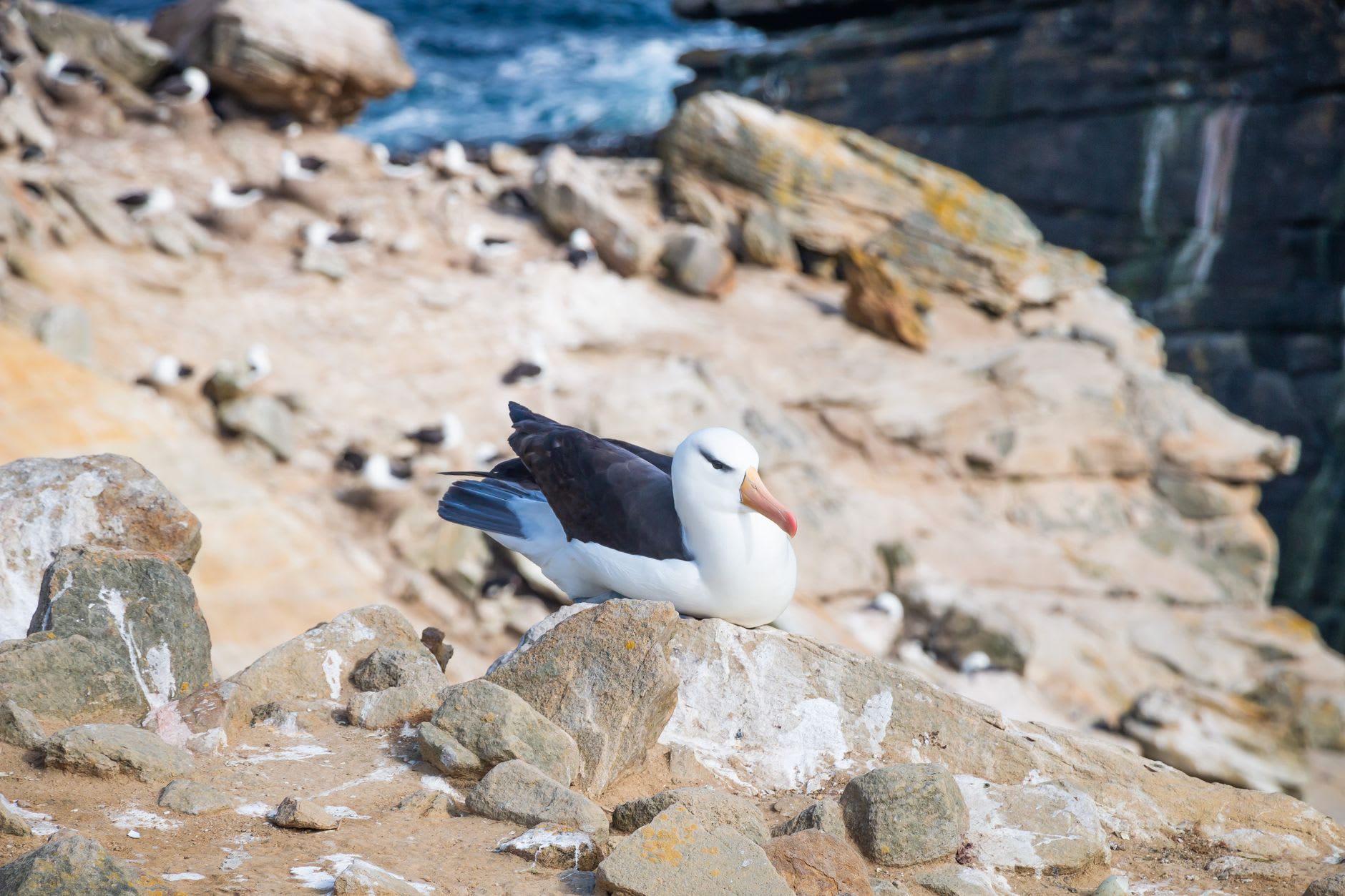
The gentoo colony is the island’s signature wildlife gathering, several hundred birds thick along the eastern shoreline. Gentoos are the fastest swimming penguins — capable of thirty-five kilometres per hour underwater — and watching them come in from a day’s fishing is one of the genuine Falklands pleasures. They porpoise through the shallows in rapid bursts and then emerge onto the beach and instantly resume the waddling shuffle that makes their aquatic speed seem like a hallucination. The contrast between these two versions of the same bird is part of what makes them so compelling to spend time with.
In the tussock behind the beach, magellanic penguins have honeycombed the sandy soil with their burrows. You hear them before you see them — a braying, donkey-like call that gave them their other common name, the jackass penguin — and then you notice the holes, dozens of them, and the shuffling activity around their entrances. The young chicks appear later in the season, peering out from the burrow openings with an expression of profound uncertainty that I find deeply relatable.
The ruddy-headed goose, endemic to the Falklands and the Chilean mainland, grazes in small groups across the island’s interior. It is a genuinely beautiful bird — rust-coloured head, spotted breast, careful movements — and on Bleaker Island, where it is reasonably common, it goes about its business with a composure that suggests it has no idea it is rare. I watched a pair for an extended time near a boggy hollow in the middle of the island, far from the penguins and the beach, in a silence so complete that I could hear the grass moving.
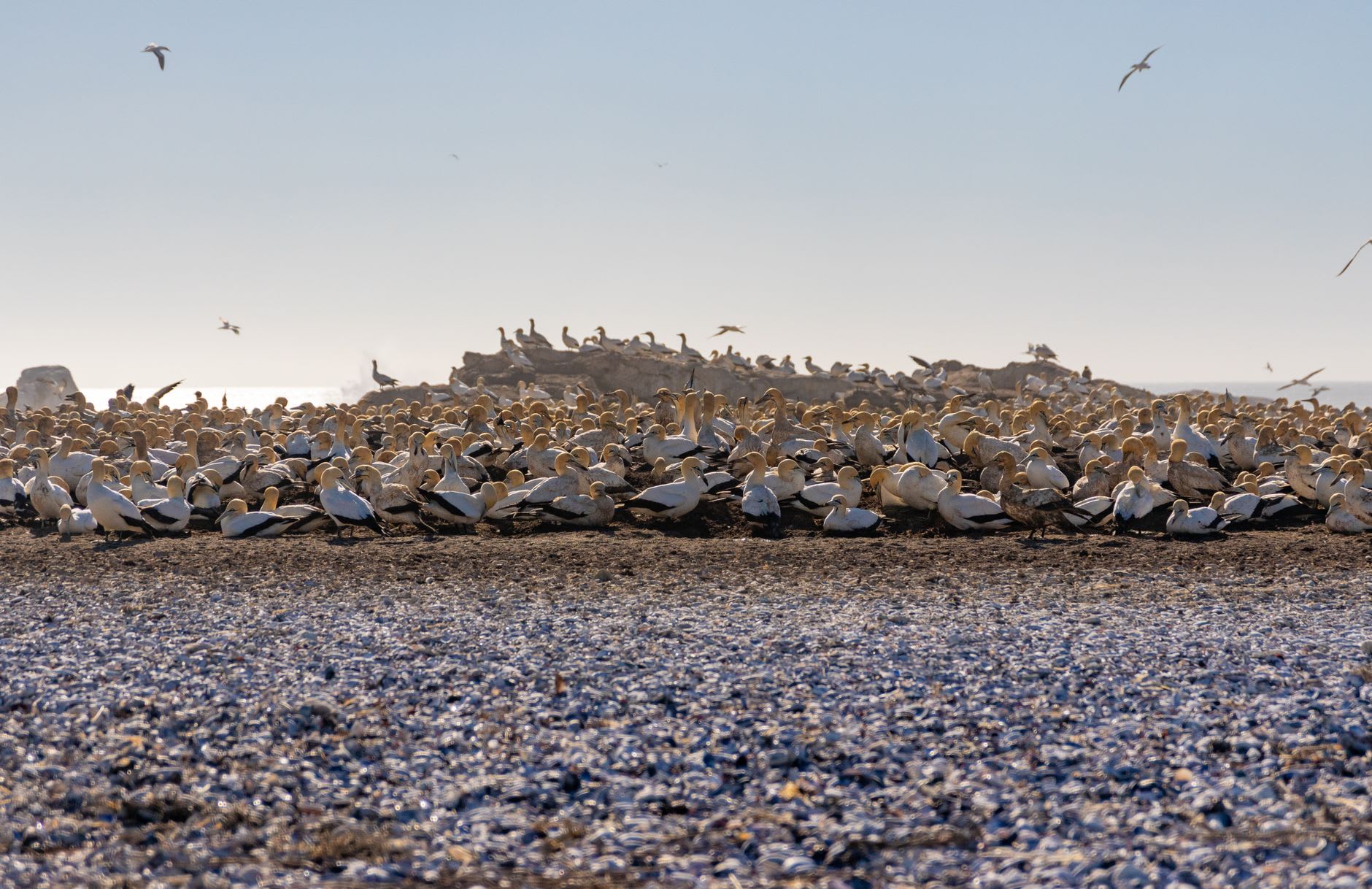
That silence is Bleaker Island’s real offering. It is remote even by Falklands standards — there are no day-trippers, no cruise ship tenders, no organised tours. The few people who make it here are those who specifically wanted to be here, and the result is a quality of attention that builds over days. I spent four nights and found myself noticing things on the fourth morning that I had walked past unseeing on the first: a particular shelf of quartzite above the beach, a patch of pale green lichen on a rock, the exact way the light hit the water just before the sun cleared the eastern ridge.
When to go: November through February for the most active penguin colonies and long summer days. The self-catering cottage books out early; secure accommodation before planning flights.