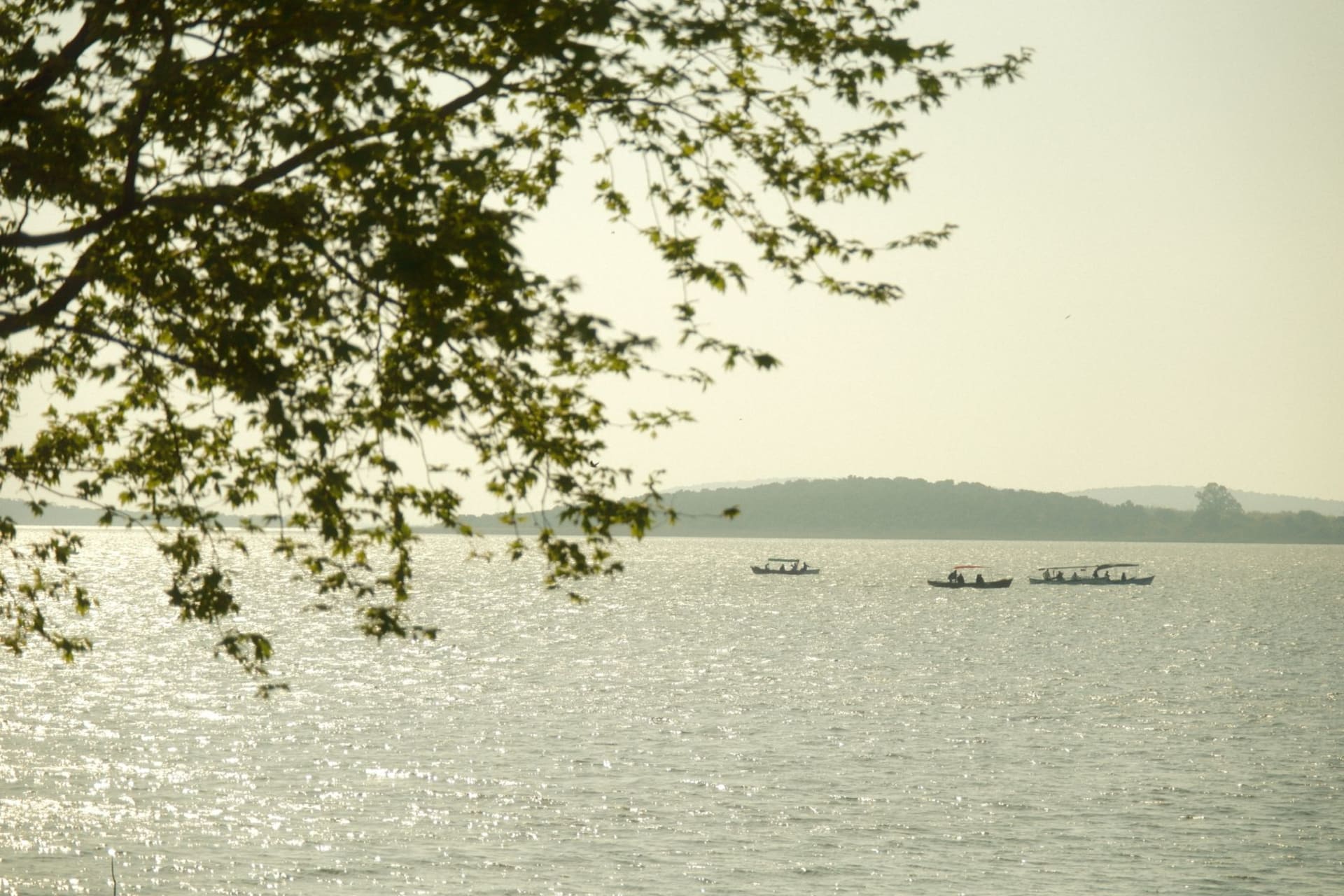
Lake Tana
"A monk unlocked a door that hadn't changed in six hundred years, and inside the colours were so bright they looked wet."
Lake Tana announced itself before I saw it — in the warm, slightly soupy air of Bahir Dar, the lakeside town where palm-lined avenues and a faint smell of coffee roasting set a tone completely unlike the thin cold air of the northern highlands we’d come down from. This is the largest lake in Ethiopia, sitting at over 1,800 metres on the western plateau, and it is the source of the Blue Nile, the river that supplies most of the water that eventually crawls through Khartoum and Cairo. Standing on the shore at first light, watching fishermen pole flat papyrus tankwa canoes that look exactly like the ones in ancient Egyptian tomb paintings, you feel the immense geographic weight of the place.
Monasteries on the islands
The reason most travellers come is hidden out on the water. Scattered across Lake Tana’s islands and peninsulas are monasteries, some founded as far back as the fourteenth century, where Ethiopian Orthodox monks have kept manuscripts, crowns and church paintings safe for centuries — partly because islands are hard to raid. We hired a small motorboat and a guide named Tesfaye and spent a morning chugging between them, the lake so wide that some islands sit below the horizon when you set out.
On the Zege Peninsula we walked up through a coffee-forest path — wild coffee grows here under the canopy, and the air smelled of it — to a round thatched church whose entire inner wall was covered in paintings: saints with enormous almond eyes, Saint George skewering his dragon, scenes of martyrdom rendered in reds and ochres and a particular acid green. A monk produced a key the size of my forearm, opened the inner sanctum, and showed us a goatskin manuscript with calligraphy so dense and even it looked machine-made. He let Lia hold it. Her hands, I noticed, were shaking slightly, and she is not someone given to reverence.
The lake itself, and where the Nile leaves
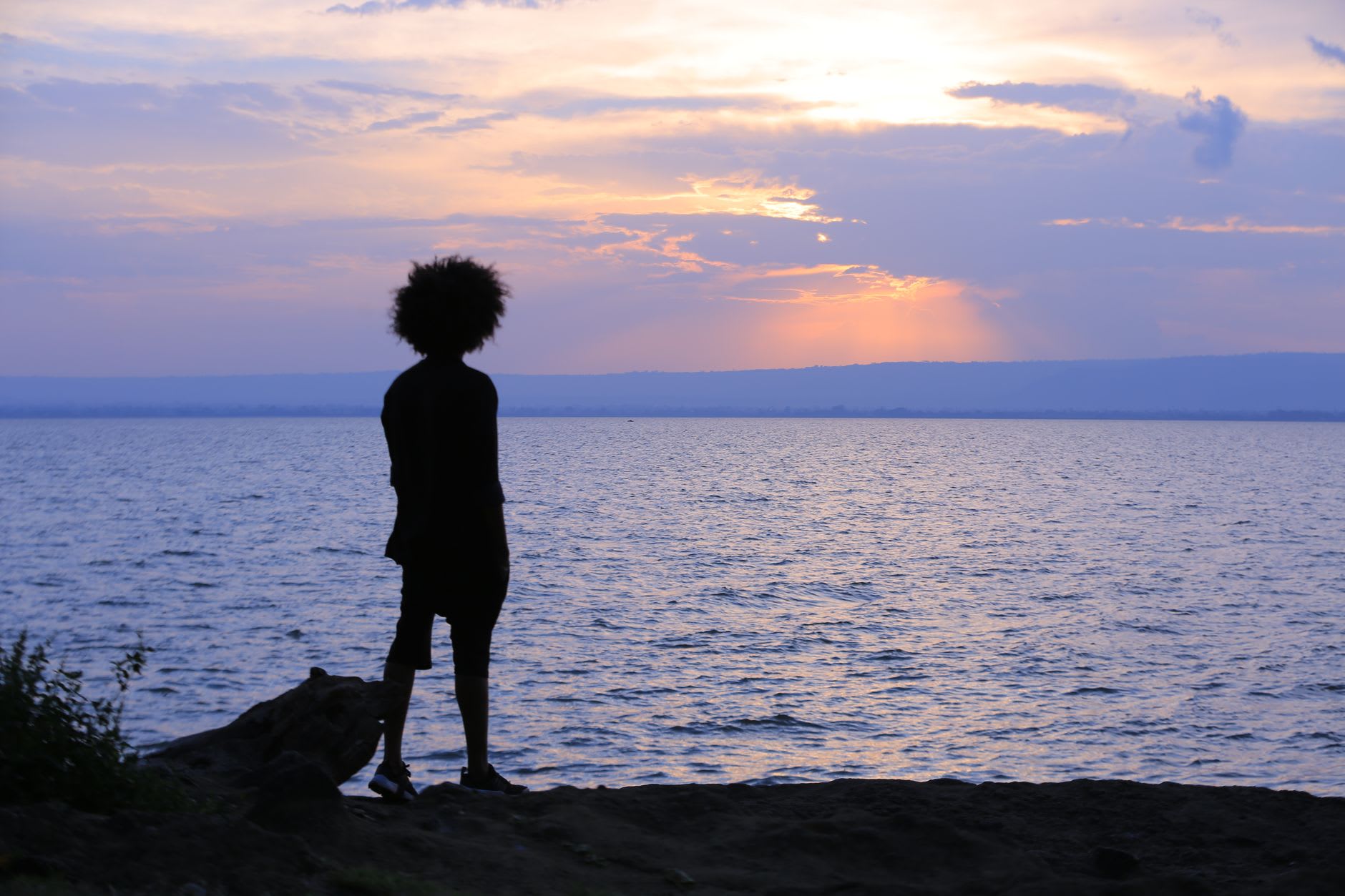
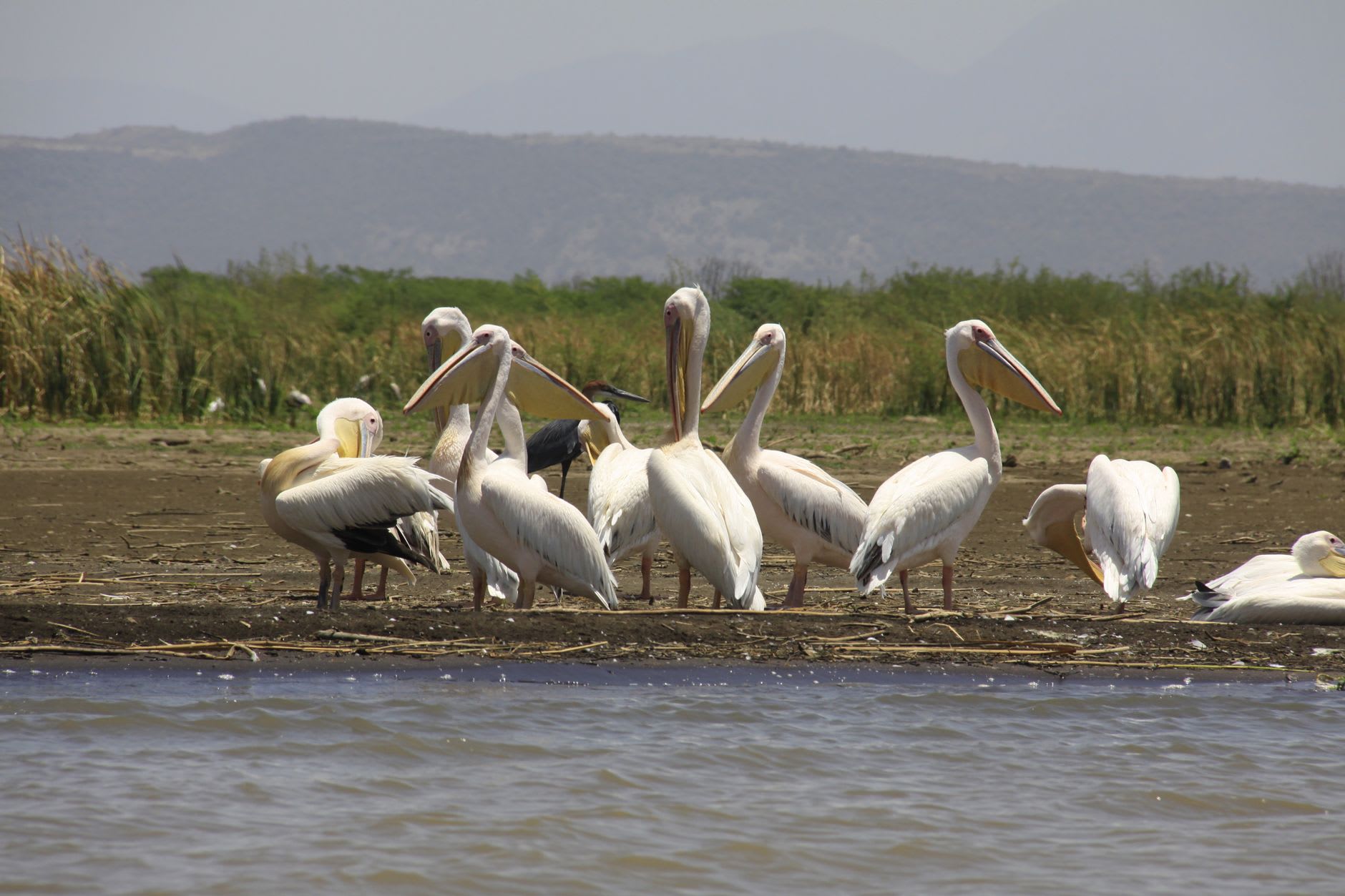
Beyond the monasteries, the lake is simply a wonderful place to be on the water. Pelicans and herons work the shallows, hippos surface near the river mouths at dusk, and the light at both ends of the day turns the whole expanse to beaten silver and then rose. Some of the island monasteries, by old tradition, do not admit women at all — a rule I found easier to swallow than Lia did, and we had a good, sharp argument about it on the boat that neither of us won.
At the lake’s southern edge, the Blue Nile pours out and, a little downstream, throws itself over the Tis Issat falls — “the water that smokes.” They’re a shadow of their former selves since a hydroelectric scheme diverted much of the flow, and I’ll be honest that the falls themselves were a mild anticlimax. But the walk to them, across a seventeenth-century Portuguese-built stone bridge and through villages where children walk you to the viewpoint hoping for a coin, was worth the trip on its own.
Practical notes
Base yourself in Bahir Dar, an easy flight or a long scenic drive from Gondar or Addis Ababa. Half-day or full-day boat trips to the monasteries are easily arranged at the waterfront; negotiate, and check which monasteries admit women before you commit. Mornings are calmest on the lake and best for the light. Dress modestly for the churches, carry small notes for the entry donations and for the boatmen, and leave time for a sunset on the shore with a macchiato — Bahir Dar does very good coffee, which should surprise no one.