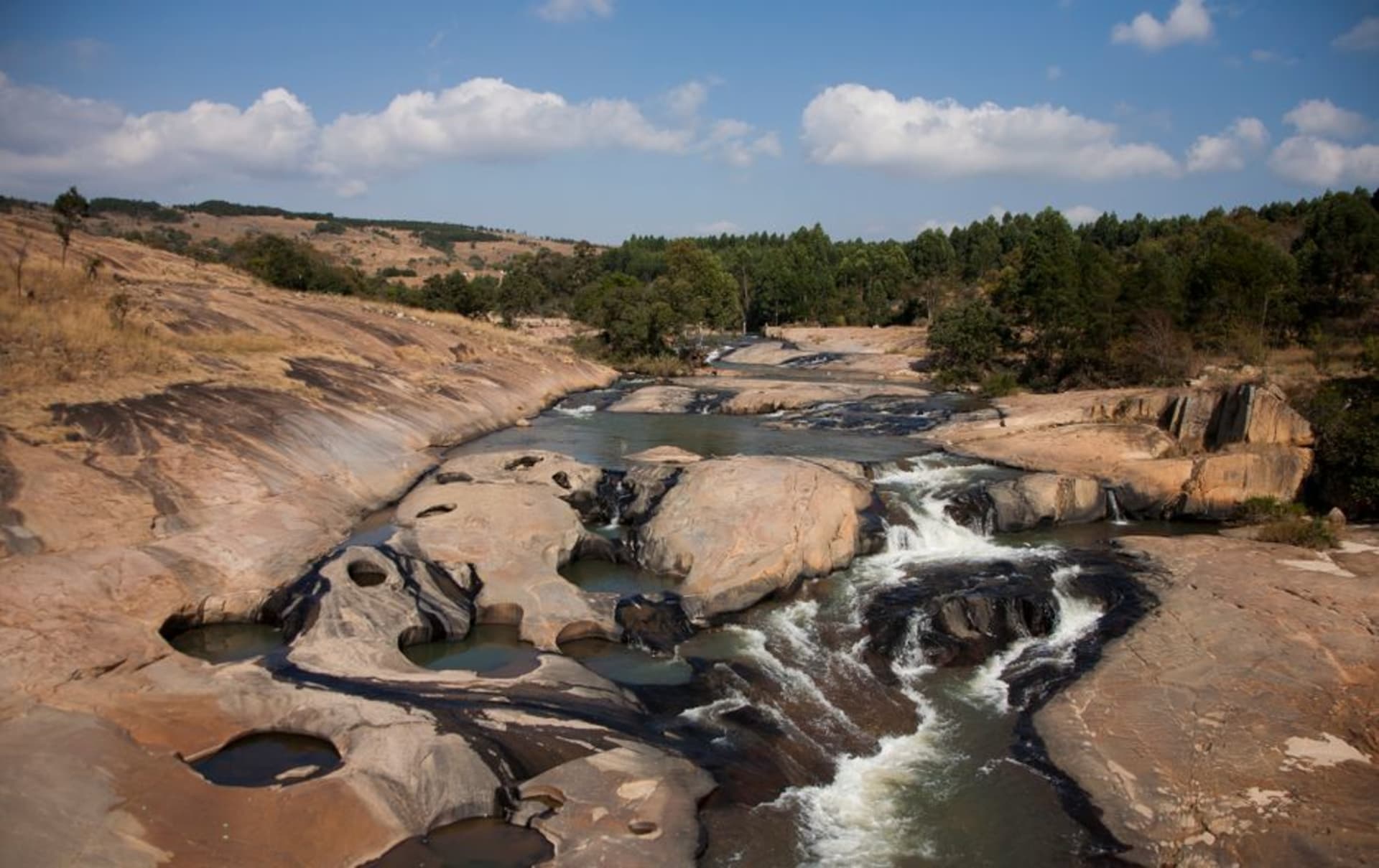
Mantenga Falls
"The drums started before I even saw the waterfall, and by the time I reached it the whole valley felt like it was performing something just for us."
A waterfall tumbling through the Ezulwini Valley beside a living cultural village where I watched sibhaca dancing at dusk.

Mantenga Falls sits in the Ezulwini Valley, which everyone in Eswatini calls the Valley of Heaven, and for once the nickname isn’t just tourist-board flattery. We drove down from Mbabane on a road that curved between granite domes and sugarcane fields, and the falls themselves are part of a nature reserve that shares its grounds with the Mantenga Cultural Village, a reconstructed traditional Swazi homestead where locals still perform music and dance for visitors. I’ll admit I went in a little skeptical of the whole cultural-village format, worried it would feel staged in the wrong way, but it didn’t land like that at all.
We arrived in the late afternoon and hiked down toward the falls first, a short but steep trail through indigenous forest that opens suddenly onto the cascade, water dropping maybe 90 meters over dark rock into a pool where a handful of local teenagers were swimming and shouting at each other in siSwati. Lia waded in up to her knees despite my warning that the water looked cold, and confirmed, loudly, that it was indeed cold. The spray drifted across the trail and cooled the whole clearing, which felt almost engineered given how hot the valley had been all afternoon.
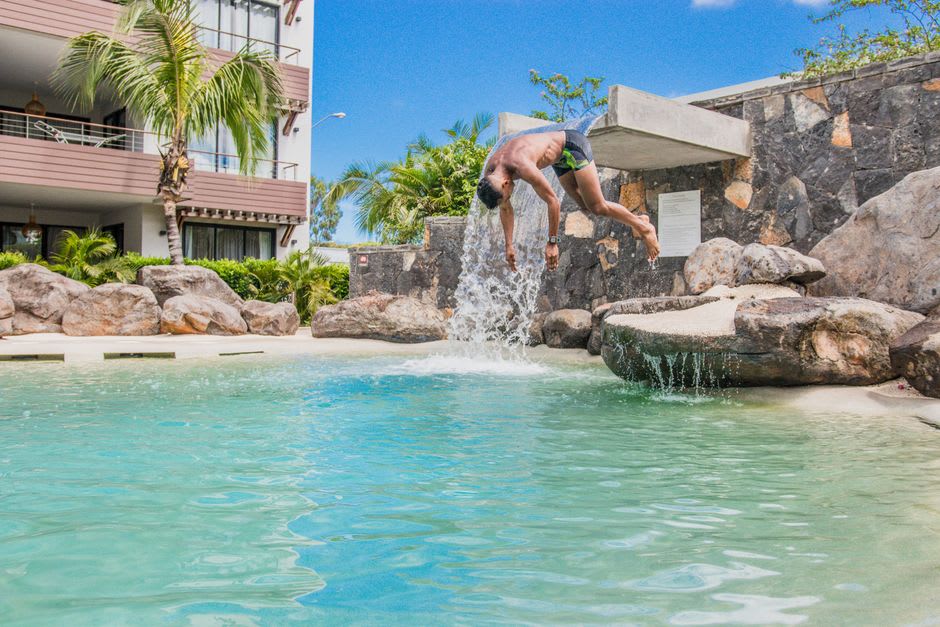
Afterward we walked up to the cultural village for the evening performance, a circle of thatched beehive huts where dancers in traditional dress performed sibhaca, that stomping, high-kicking dance that’s become something of a national symbol in Eswatini. The energy of it caught me off guard. There’s a rawness to sibhaca, the way the whole line stamps down in unison hard enough that you feel it in the ground, that no amount of skepticism about tourist performances could dull. An older woman next to us was singing along under her breath, and I got the sense this wasn’t purely for our benefit.

What I appreciated most, looking back, was how the two halves of the visit talked to each other. The falls felt wild and a little untamed, the kind of place teenagers have probably been swimming for generations without anyone charging admission. The cultural village next door was more curated, obviously, but it didn’t feel dishonest. Together they gave a fuller picture of the valley than either would alone, water and rhythm both doing their own version of the same thing.
When to go: Visit in the late afternoon during the dry season (May to September) to catch both good light at the falls and the evening cultural performances, which typically run around 4:30pm.
Keep exploring
More from Eswatini
 eswatini
Manzini
Eswatini's commercial pulse — a market city where the real daily life of the country is openly on display.
Explore eswatini
Mbabane
A highland capital that runs on Swazi time — unhurried, genuinely friendly, and easy to underestimate.
Explore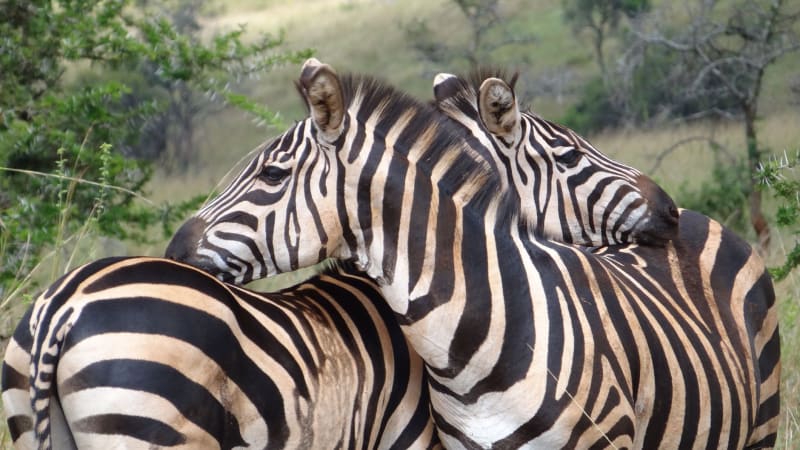 eswatini
Mkhaya Game Reserve
A private sanctuary built to bring black rhino back from extinction, where walking with rangers is the only way in.
Explore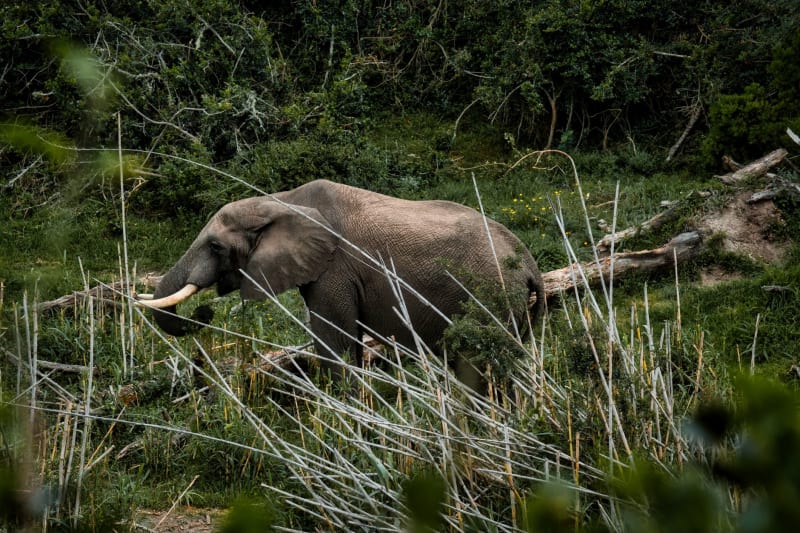 eswatini
Mlilwane Wildlife Sanctuary
Eswatini's first protected area, where you can mountain bike past grazing hippos at the bottom of the Ezulwini Valley.
Explore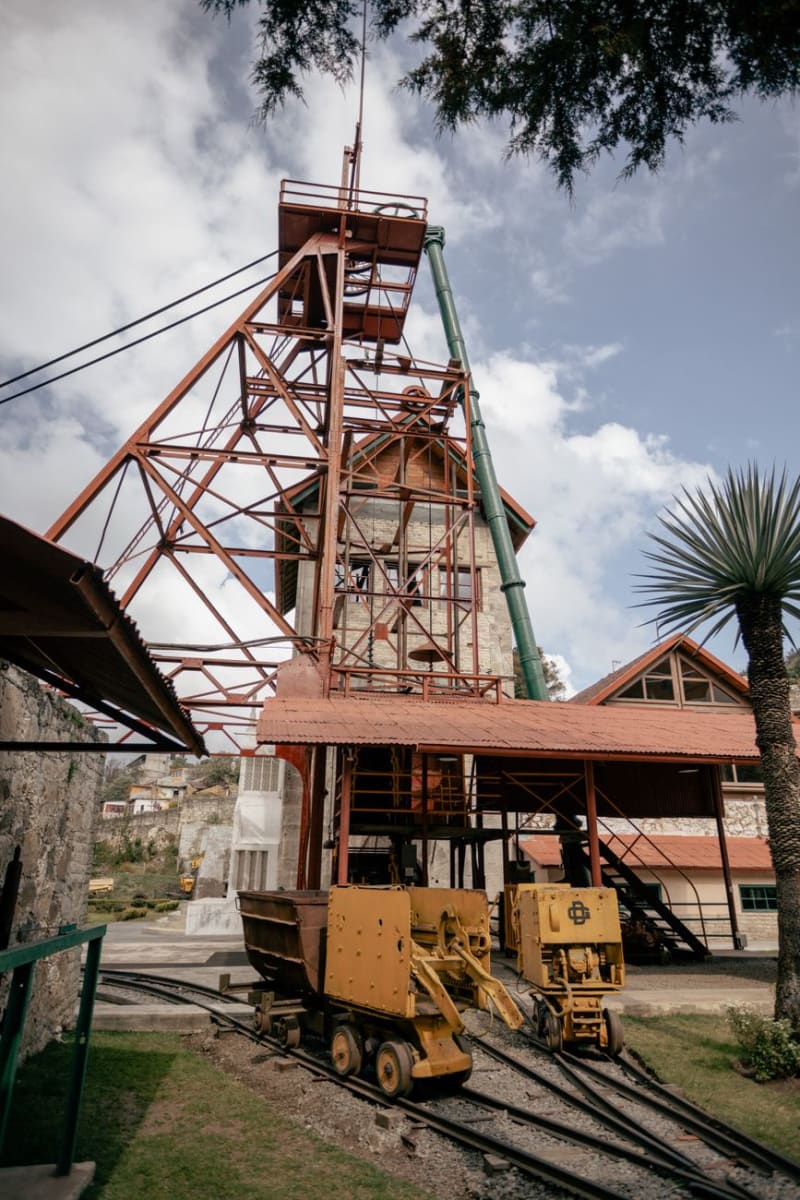 eswatini
Ngwenya Mine
A scar of red ochre and iron ore gouged into a mountain near the South African border, claimed as the oldest mine on earth, where Stone Age hands dug for pigment forty thousand years ago.
Explore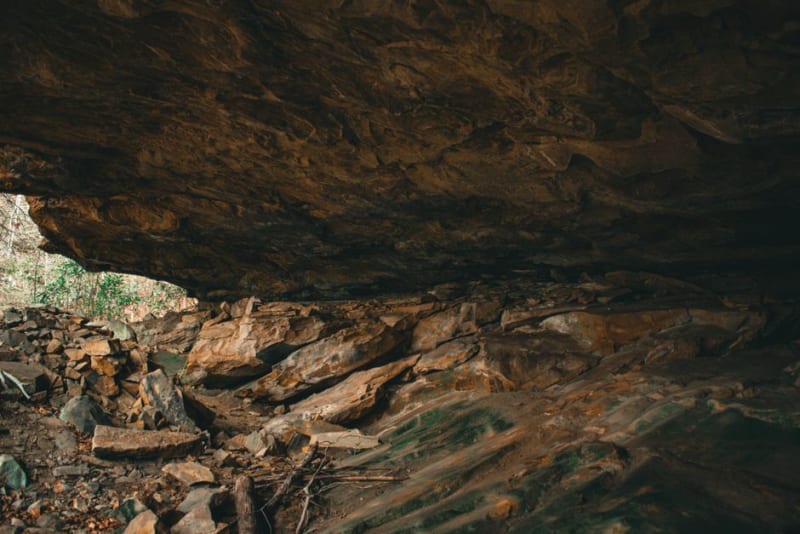 eswatini
Nsangwini Rock Shelter
A sandstone overhang in the northern lowveld holding centuries-old San rock paintings, reached by a hot, guided walk from the valley floor.
Explore