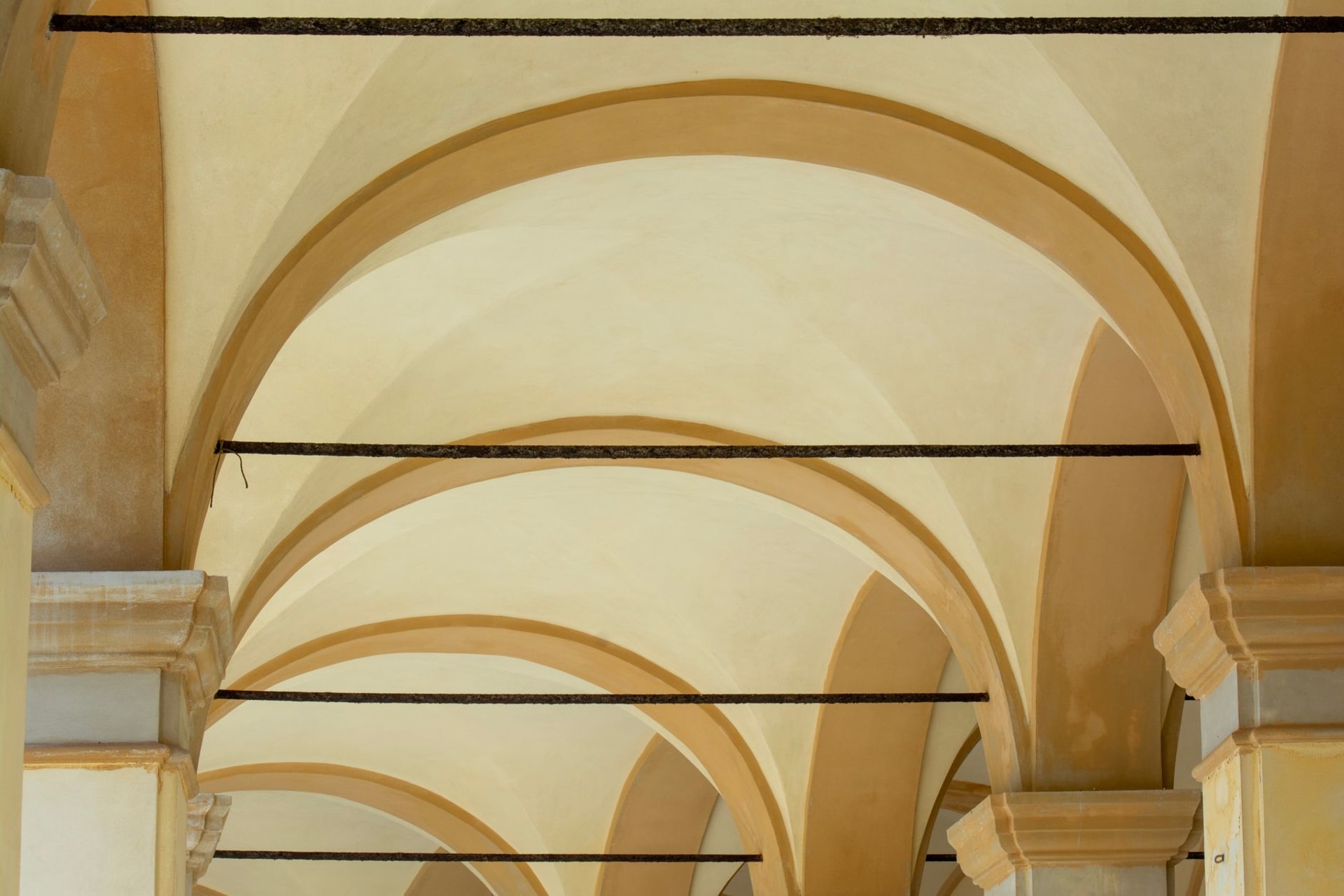
Europe
Emilia-Romagna
"I came for the tortellini and stayed because the porticos made me feel like time had paused."
The region that invented the food you think you know — and still eats better than anyone who's tried to copy it.

I arrived in Bologna on a Tuesday evening in October, stepped under the porticos on Via dell’Indipendenza, and immediately understood why this city has one of the lowest rates of tourist burnout in Italy. The arcades — forty kilometers of them, some dating to the twelfth century — absorb you into their rhythm before you’ve made a single decision. Rain, sun, cold, it doesn’t matter. You walk under stone. You slow down. A half-liter of Sangiovese appears in your hand.
Emilia-Romagna is not a glamorous region in the way that Tuscany performs glamour, or the Amalfi Coast performs spectacle. It earns its reputation quietly, through accumulation: Parmigiano-Reggiano aged in caves outside Parma, aceto balsamico tradizionale in Modena tended for twenty-five years in a sequence of barrels that shrink as the vinegar concentrates, tortellini in Bologna so specific in their shape that a guild wrote the official dimensions into notarial deed in 1974. Every town along the Via Emilia has this quality — a fierceness about the local thing, a refusal to generalize. In Ferrara they’ll tell you the cappellacci di zucca is not remotely similar to Mantua’s version and they will be right and slightly irritated that you implied otherwise.
I’ve eaten in three-star restaurants in France and Tokyo. The best single meal I’ve had in my life was a trattoria lunch in Parma — culatello, a bowl of anolini in brodo, a wedge of Parmigiano served with honey, a glass of Fortana — that cost me eighteen euros. The cook was a woman in her seventies who has been making the same dishes since the 1980s. That is Emilia-Romagna in miniature: excellence without theater, tradition without nostalgia, pleasure delivered as matter of fact.
When to go: September through November. The harvest is in, the heat is gone, and white truffles from the Apennine foothills start appearing at markets in late October. Spring — April and May — runs a close second. Avoid August, when the region empties as Italians head for the coast and half the trattorias close.
What most guides get wrong: They treat this as a food destination and nothing else, which means they skip Ferrara (one of the best-preserved Renaissance cities in Europe, and almost entirely free of tourist crowds), Ravenna (Byzantine mosaics that will genuinely rearrange your sense of what the fifth century produced), and the Apennine hills above Bologna, where the landscape turns green and complicated and the food gets wilder. Emilia-Romagna is not a theme park for tagliatelle. It is a complete civilization.
Explore
Places in Emilia-Romagna
 emilia-romagna
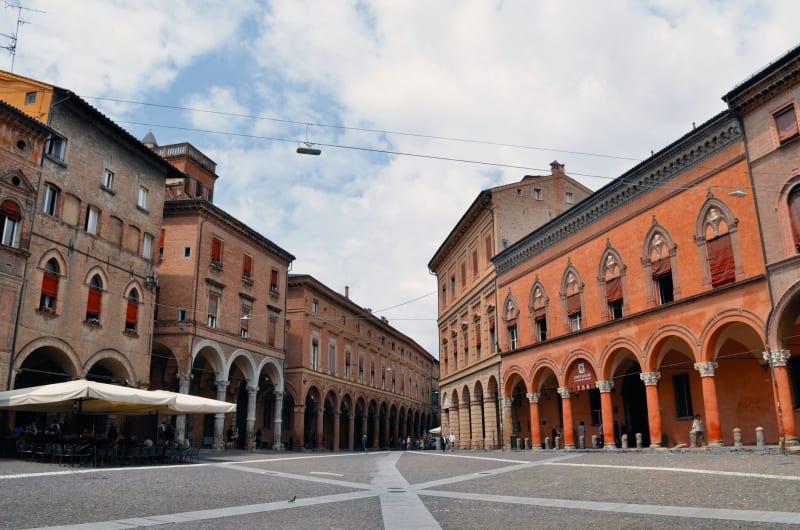
 Bologna
The city that invented porticos, ragù, and the art of eating well without making a fuss about it.
Explore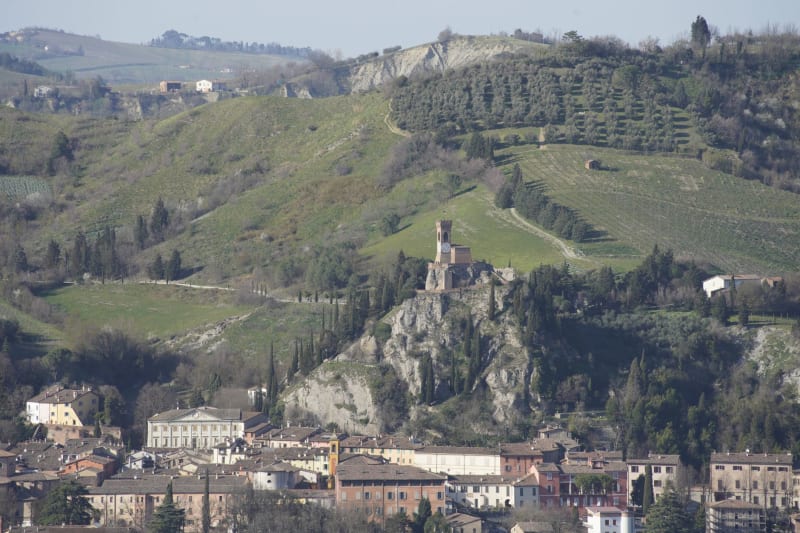 emilia-romagna
 Brisighella
A medieval village in the Apennine foothills where three rocks, an olive oil tradition, and almost no tourists conspire to produce something perfect.
Explore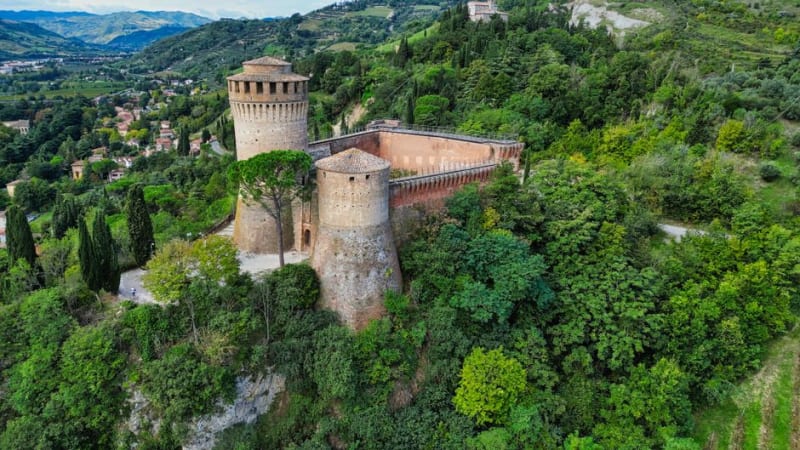 emilia-romagna
 Castell'Arquato
A medieval hill town stacked in stone terraces above the Val d'Arda, where a Visconti fortress guards fossils older than Rome.
Explore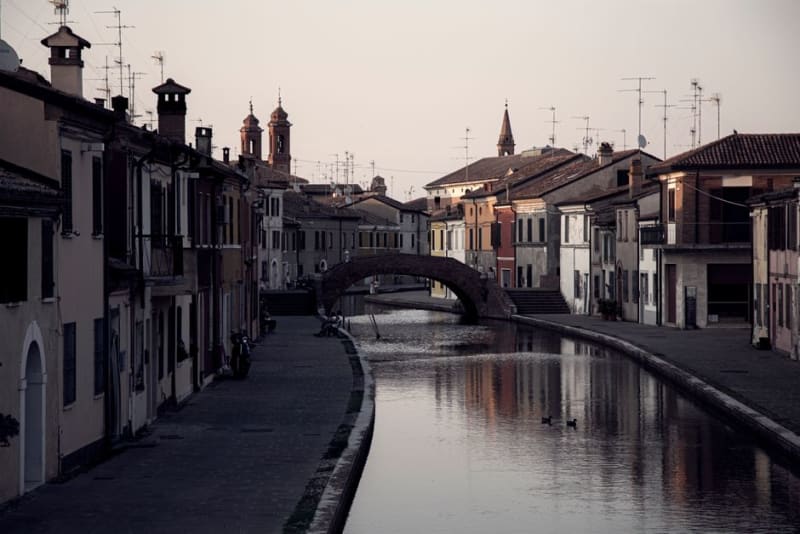 emilia-romagna
 Comacchio
A lagoon town of thirteen islands and stone bridges, where eel has been cured for centuries and flamingos wade through pink-tinged water.
Explore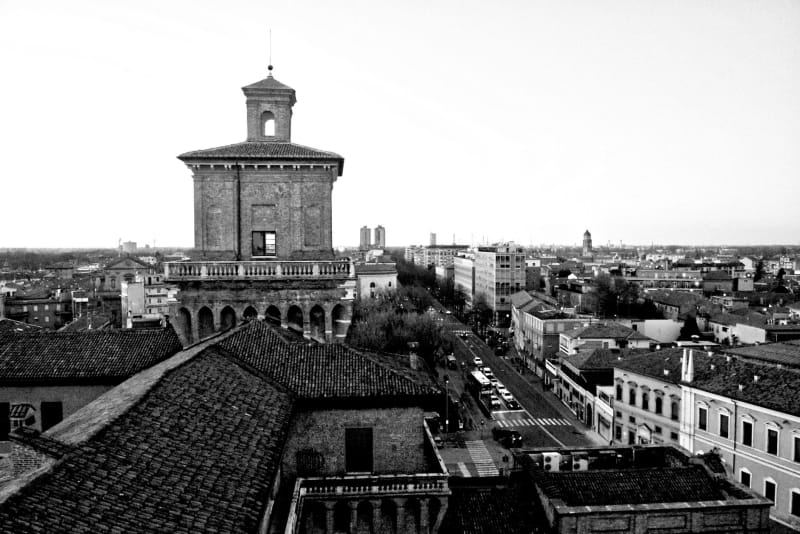 emilia-romagna
 Ferrara
A Renaissance city so perfectly preserved it feels less like history and more like someone forgot to update it.
Explore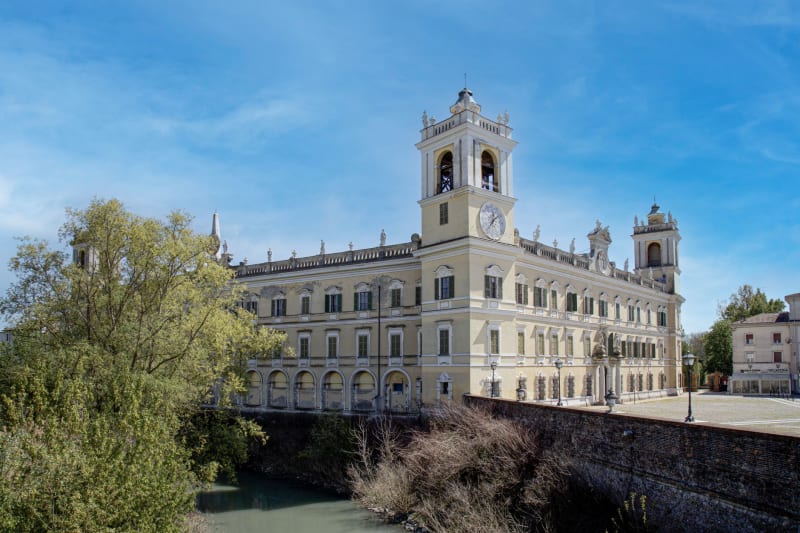 emilia-romagna
 Modena
Balsamic vinegar aged in attics, Ferrari born in the suburbs, and a cathedral that UNESCO called extraordinary.
Explore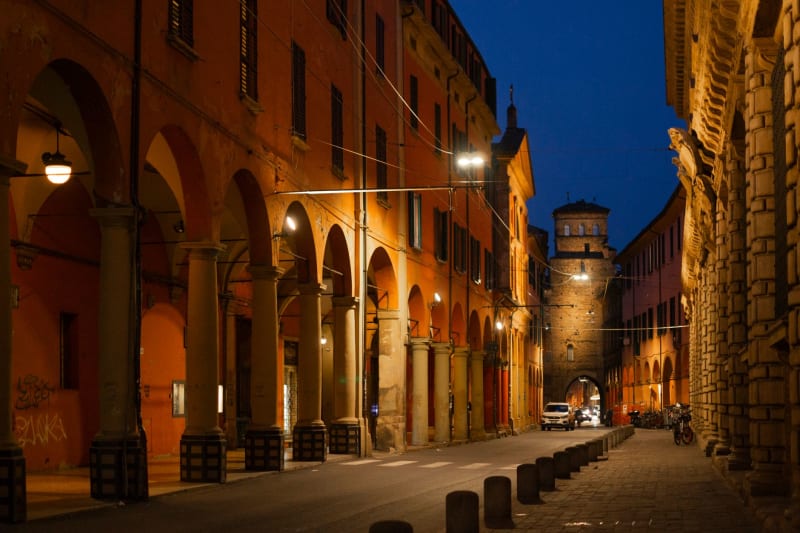 emilia-romagna
 Parma
Where the cured meat is so good it has a protected designation, and where Verdi wrote the music between meals.
Explore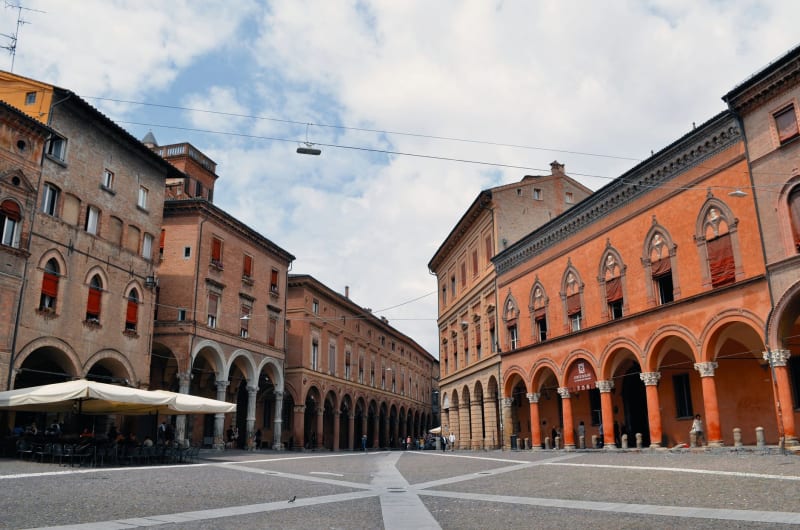 emilia-romagna
 Piacenza
The westernmost city of the Via Emilia, overlooked by its louder neighbours and quietly running one of Italy's least-known great food traditions.
Explore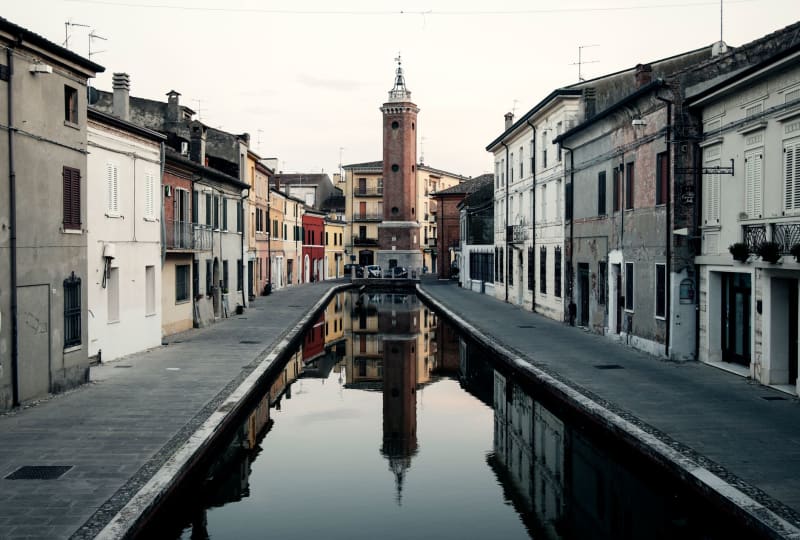 emilia-romagna
 Po Delta
The great river's final act — a wetland world of eels, pink flamingos, and light that moves across still water like something invented for painters.
Explore emilia-romagna
 Ravenna
The city that kept the gold of the ancient world — Byzantine mosaics so vivid they make the fifth century feel immediate.
Explore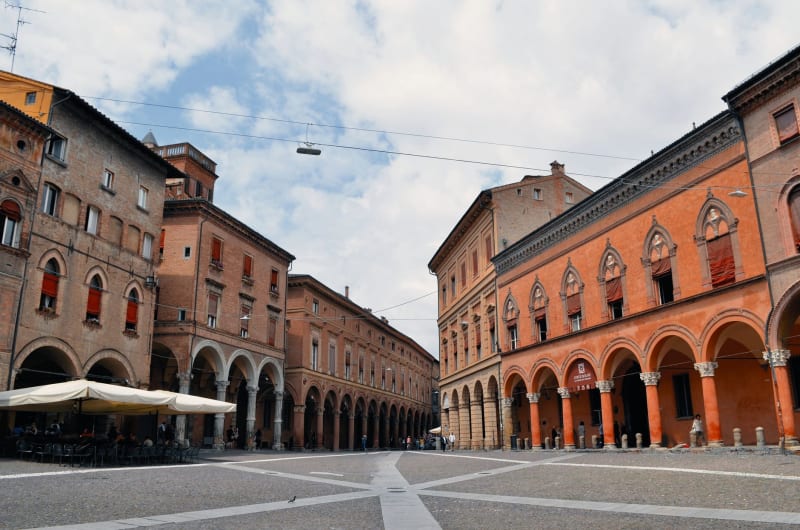 emilia-romagna
 Reggio Emilia
The city where Parmigiano-Reggiano was born, where the Italian flag was first adopted, and where almost no tourist ever stops.
Explore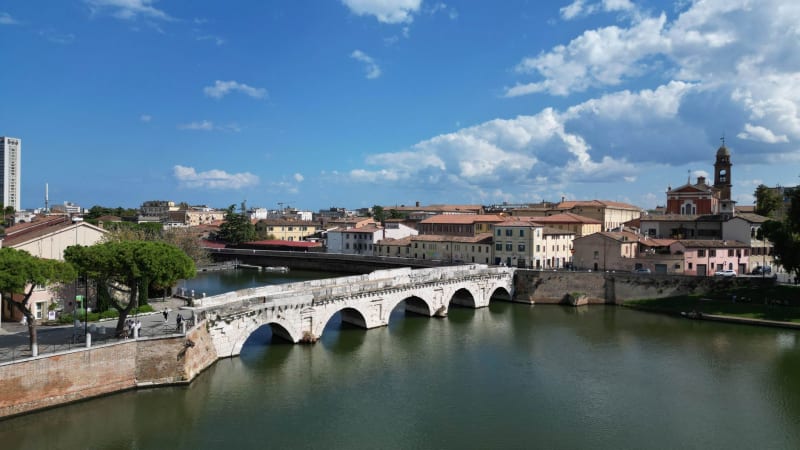 emilia-romagna
 Rimini
Fellini's hometown wears its beach-resort reputation over the top of a Roman city that most visitors never find.
Explore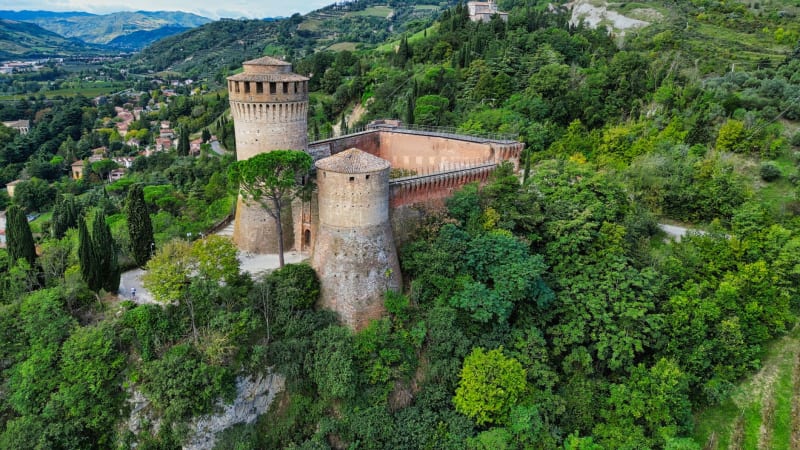 emilia-romagna
 San Leo
A medieval town clamped to a sheer rock spur near San Marino, crowned by the fortress where the magician-charlatan Cagliostro died a prisoner.
Explore