El Cuco
"El Cuco has decided, so far, not to become anything other than what it already is."
A sleepy eastern fishing town where the beach stretches wide and empty and nobody is in a hurry to change that.
El Cuco announces itself with almost nothing — a scatter of low buildings, a dirt road running parallel to the beach, a handful of comedores with plastic chairs set directly in the sand. After the more built-up stretches of coast further west, arriving here felt like someone had turned the volume down. I checked into a small guesthouse run by a woman named Doña Rosa, who handed me a key and told me dinner was whenever I wanted it, because she’d be up anyway.
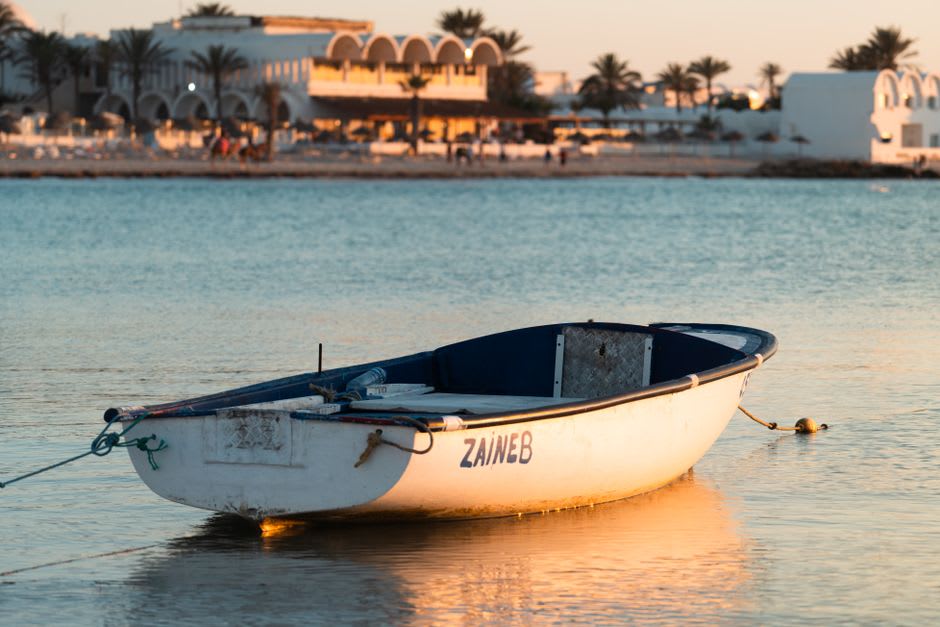
The beach itself is the wide, gray-brown sand typical of this eastern stretch, running for kilometers in either direction with barely another person on it most of the day. Fishing boats — wooden pangas painted in fading blues and reds — sit pulled up above the tideline, waiting for the evening tide when the fishermen push them back out. I watched this happen my first night: six men working in near silence, the boat gliding into the surf on logs used as rollers, engines coughing to life once clear of the break.
Between the bigger names
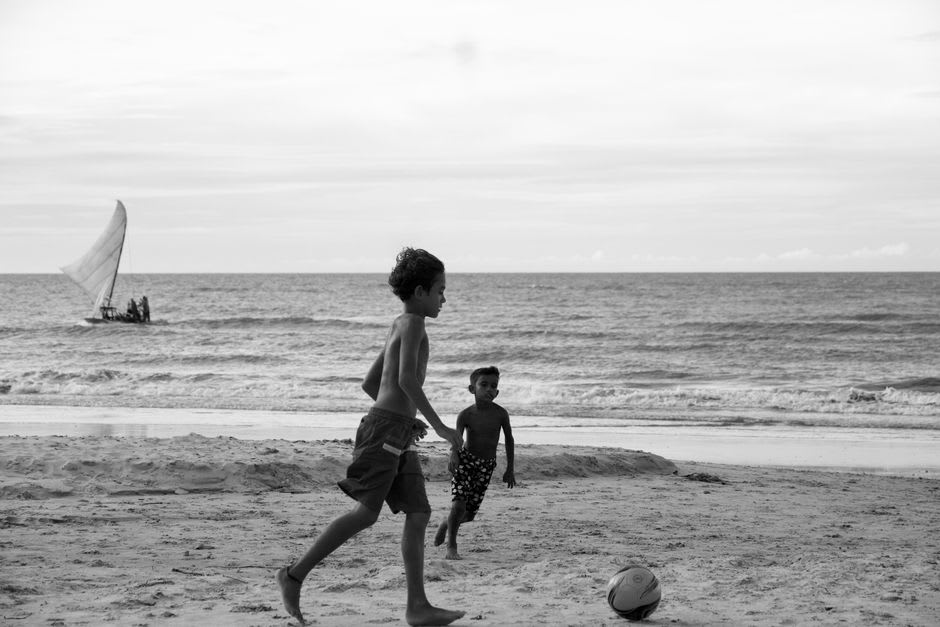
El Cuco’s real value is its position — close enough to Playa Las Flores and Playa El Espino that it works as a base for exploring the eastern surf coast without the crowd or cost of staying directly on either point. I rented a bicycle from a kid outside my guesthouse for a dollar and rode the packed sand toward Las Flores one morning, stopping to watch a group of kids play a barefoot soccer match with a goal made from two sticks and a fishing net dragged down from someone’s yard.
Nobody in El Cuco seemed to be selling me anything. There’s no strip of surf shops, no menu translated into four languages, no one hovering to rent me a board. I ate the same fish soup two nights in a row at the same plastic table because it was good and because the woman who made it remembered how much chili I wanted the second time without asking. That’s the whole pitch of the place, really — it doesn’t need to convince you of anything, it just keeps doing what it’s been doing.
An evening that didn’t rush anywhere
The best hour in El Cuco is the one right before the fishermen head out, when the light goes flat and gold and the whole town seems to gather loosely along the sand without quite deciding to. I sat on an overturned boat hull and watched the horizon do its work — no big sunset production, just a slow fade — while a transistor radio somewhere played cumbia at a volume just low enough to seem incidental.
I left El Cuco two days after I meant to, which is usually the best sign a place has done its job on you without your noticing.
When to go: November through April, dry season, when the roads inland stay passable and the fishing boats go out reliably every evening; avoid the town in peak rainy months if you’re relying on the dirt access roads.
Keep exploring
More from El Salvador
 el-salvador
 El Imposible
El Salvador's largest national park earned its name from the terrain that guards it and still asks something real from anyone who wants in.
Explore el-salvador
 El Mozote
A small rural hamlet in Morazán holding the memory of the deadliest massacre of the Salvadoran Civil War with quiet, deliberate care.
Explore el-salvador
 El Tunco
A black-sand Pacific village where serious surfers come for the wave and quietly end up staying for the life.
Explore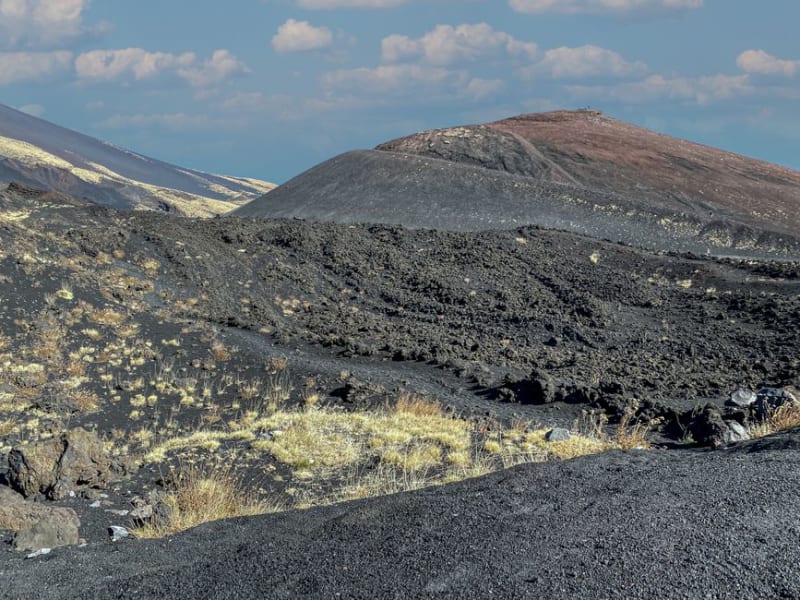 el-salvador
 Izalco Volcano
A perfect black cone once so relentlessly active that sailors called it the Lighthouse of the Pacific, now dormant and strangely still beside its noisier neighbors.
Explore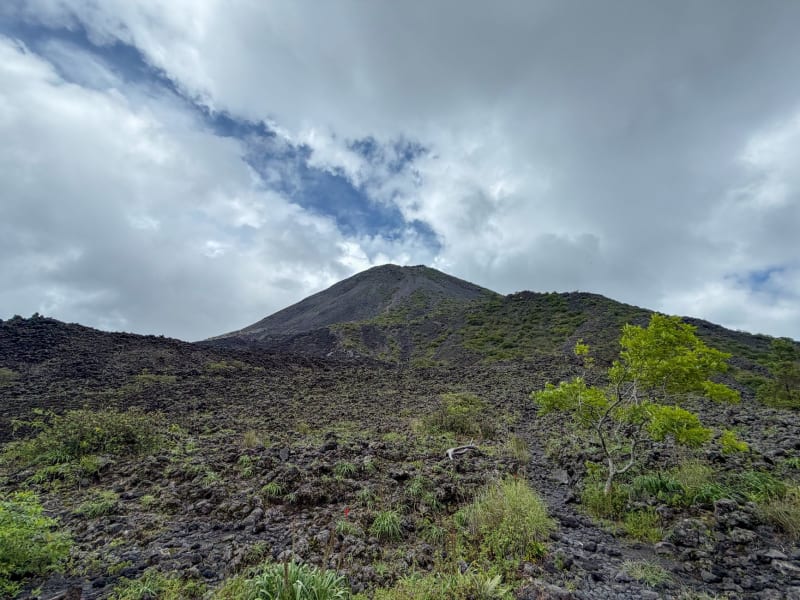 el-salvador
 Joya de Cerén
A Maya farming village buried by volcanic ash in 590 CE, preserved in such eerie domestic detail it earned the name the Pompeii of the Americas.
Explore el-salvador
 Juayúa
A highland town on the Route of Flowers where the weekend food festival is the best argument for eating adventurously in all of Central America.
Explore