Conchagua Volcano
"I stood on Conchagua and could point at three countries without moving my feet."
A quiet cone above the Gulf of Fonseca where a single summit view stitches three countries together in one glance.
I hired a pickup truck in La Unión because the road up Conchagua is the kind that eats regular cars for breakfast — rutted, steep in places, switchbacking through pasture and scrubby forest that thickens as the elevation climbs. The driver, a local named Wilfredo who did this run for tourists a few times a month, spent most of the ride pointing out things I would have otherwise missed: a family of coatis crossing ahead of us, a cacao patch someone was cultivating on cleared slope, a shrine tucked into a roadside grotto with a fresh bunch of flowers propped against it.
Conchagua itself doesn’t get the attention of Santa Ana or Izalco further west, and that absence of fuss is precisely its appeal. There’s no visitor center, no ticket booth, no crowd of tour vans at the summit parking area — just Wilfredo’s truck and, that day, one other vehicle belonging to a Salvadoran family up for a picnic. We climbed the last stretch on foot, a short trail through cooler, denser forest, birdsong dropping away as we gained the ridge and the trees thinned toward the crater rim.
Three countries, one horizon
The view from the top is the reason anyone makes this drive. The Gulf of Fonseca opens out below in a wide silver-blue sheet, dotted with volcanic islands, and beyond it the coastlines of Honduras and Nicaragua trail off into the haze on either side. Wilfredo pointed with the flat certainty of someone who’s done this a hundred times: that’s Honduras, that’s Nicaragua, that line of hills back there is home. I’ve stood at plenty of viewpoints that claimed to show you a lot of country. This was the first time I’d stood somewhere that genuinely showed me three.
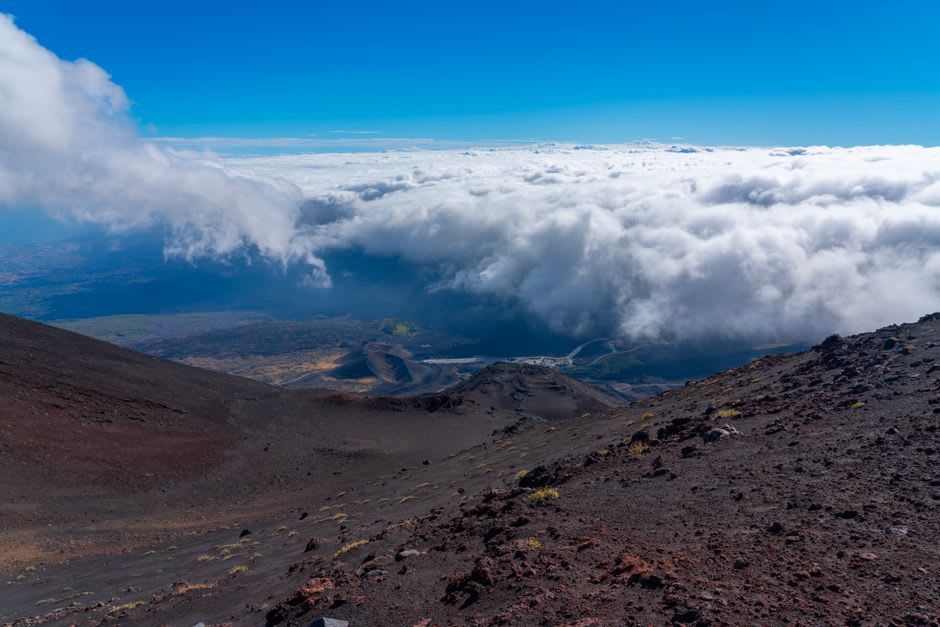
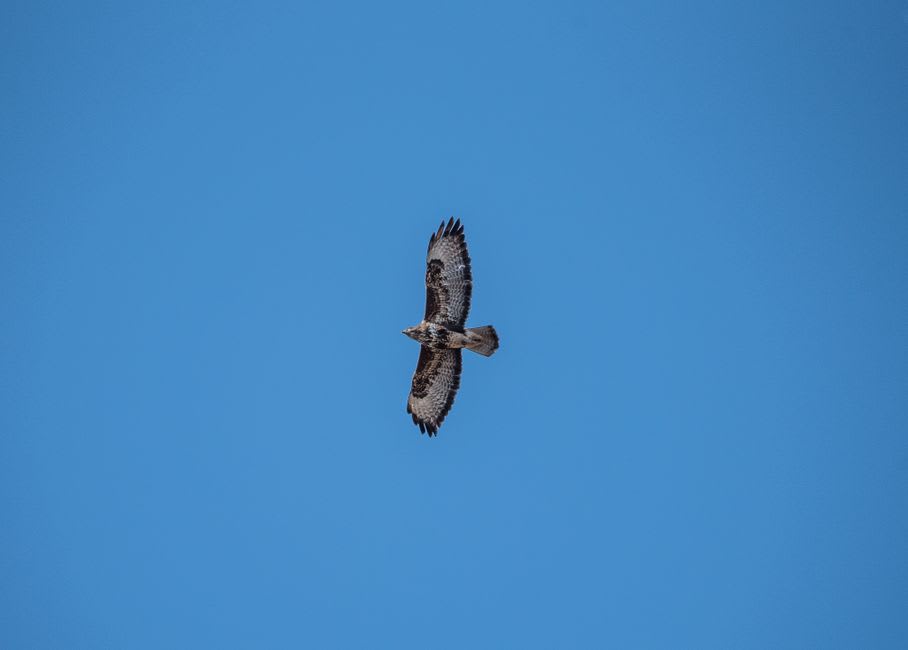
The wind at the top was constant and cool, a relief after the humid climb, and I sat on a rock outcrop for close to an hour just tracking the light as clouds moved shadows across the gulf. A pair of hawks worked the thermals rising off the volcano’s flank, barely flapping, riding the same warm air that was making my shirt stick to my back on the way up.
Coming down, Wilfredo asked if I wanted to stop at a mirador with a restaurant near the base — I did, mostly for the plate of grilled chicken and yuca, but also because the same view, lower and softer, was still doing its work from there. Conchagua isn’t a volcano you climb for the burn in your legs. It’s one you climb to be reminded how small this stretch of the isthmus actually is, and how much it can still hold.
When to go: Dry season, November through April, gives the clearest views across the gulf; go early morning before afternoon haze builds up and softens the far coastlines into invisibility.
Keep exploring
More from El Salvador
 el-salvador
 El Boquerón National Park
The crater rim above San Salvador, with a smaller cone slumbering inside the main one and a view of the capital sprawled out below like a map come to life.
Explore el-salvador
 El Cuco
A sleepy eastern fishing town where the beach stretches wide and empty and nobody is in a hurry to change that.
Explore el-salvador
 El Imposible
El Salvador's largest national park earned its name from the terrain that guards it and still asks something real from anyone who wants in.
Explore el-salvador
 El Mozote
A small rural hamlet in Morazán holding the memory of the deadliest massacre of the Salvadoran Civil War with quiet, deliberate care.
Explore el-salvador
 El Tunco
A black-sand Pacific village where serious surfers come for the wave and quietly end up staying for the life.
Explore el-salvador
 Izalco Volcano
A perfect black cone once so relentlessly active that sailors called it the Lighthouse of the Pacific, now dormant and strangely still beside its noisier neighbors.
Explore