
Zaruma
"Every balcony in town is built from a different tree, and every owner will tell you which one and why theirs is better."
A gold-mining town built into a steep ridge in southern Ecuador, its wooden colonial balconies overhanging streets so narrow that traffic has to negotiate in advance.
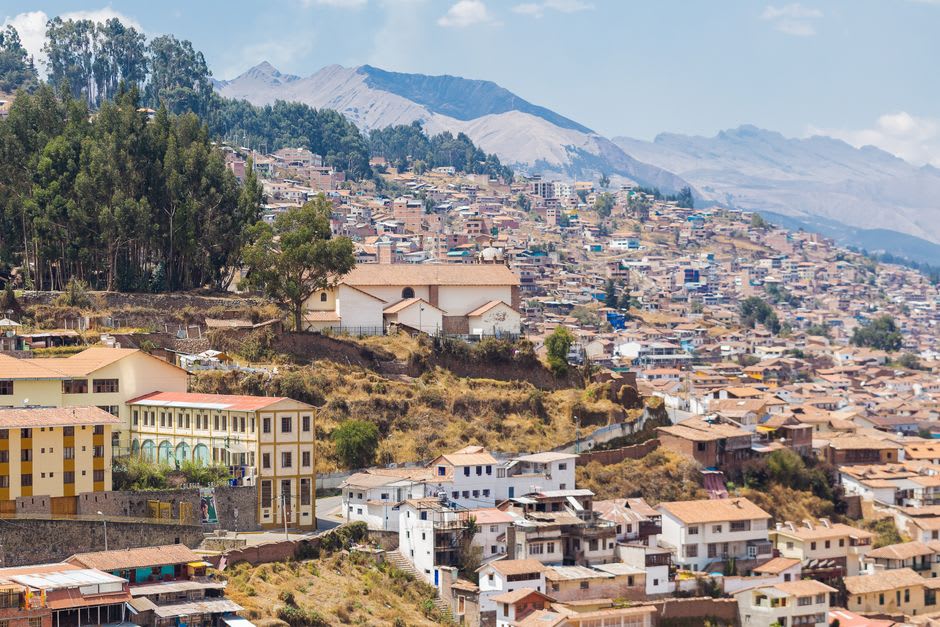
Zaruma announces itself before you arrive, in the sense that the road up from Piñas switches back so many times through hills terraced with coffee that by the time the town appears, tucked into a ridge at 1,200 meters, you’ve already burned through most of your patience for hairpin turns and are rewarded for it immediately. The town itself is built almost vertically, streets running at angles that seem to defy the logic of the buildings clinging to them, wooden balconies jutting out over the sidewalks below.
Four Centuries of Gold
Zaruma has been a mining town since the Spanish arrived looking for gold in the 1500s, and it never really stopped — mining continues in the hills around town today, both formal operations and small-scale independent miners working veins by hand. I toured a small mine on the outskirts with a former miner as guide, descending into tunnels barely tall enough to stand in, and came out with a much clearer, less romantic sense of what “gold rush” actually meant physically for the people doing the digging, then and now.
Wood, Not Stone
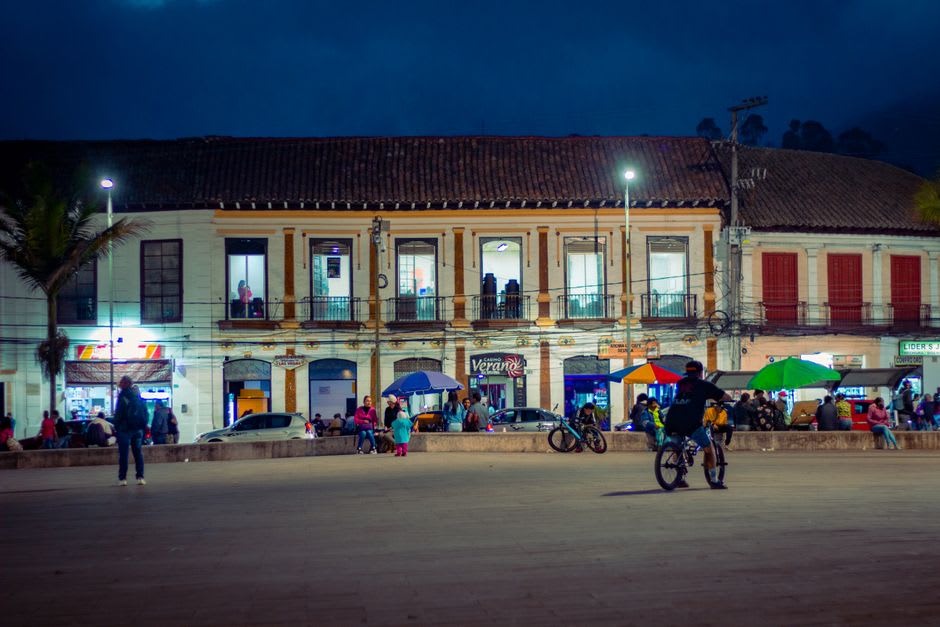
What makes Zaruma visually distinct from Ecuador’s other colonial towns is the material: instead of the stone and stucco of Cuenca or Quito, Zaruma’s historic core is built almost entirely from wood, painted in bright greens and blues, with elaborately carved balconies that residents maintain with real pride. The 1930s cathedral on the main plaza is itself made of wood over a metal frame, an unusual construction choice that survived a serious 1998 earthquake better than expected. I spent an afternoon just walking the steep side streets photographing balconies, each one slightly different, until an older man selling coffee beans from a cart stopped me to explain, unprompted and at length, which trees give the best wood and why his neighbor’s balcony wouldn’t last.
Coffee, Slowly
The hills around Zaruma produce some of Ecuador’s better coffee, grown in the shade at an altitude that suits arabica well, and small producers around town will happily walk you through a harvest if you show up during picking season. I drank more coffee in three days in Zaruma than I usually manage in three weeks, sitting on balconies with views straight down into the ravine below town, watching the light change on the opposite ridge.
When to go: June through September is driest and clearest for the ridge views. Coffee harvest generally runs from July through September in this part of El Oro province, which is the best window to see the process firsthand rather than just drink the result.