Yasuni National Park
"Scientists have argued for years about whether this is the single most biodiverse spot on the planet — after four days there, I stopped needing the superlative to be convinced."
One of the most biodiverse places measured on Earth, a swath of Amazon rainforest in Ecuador's east where a single hectare can hold more tree species than all of North America.
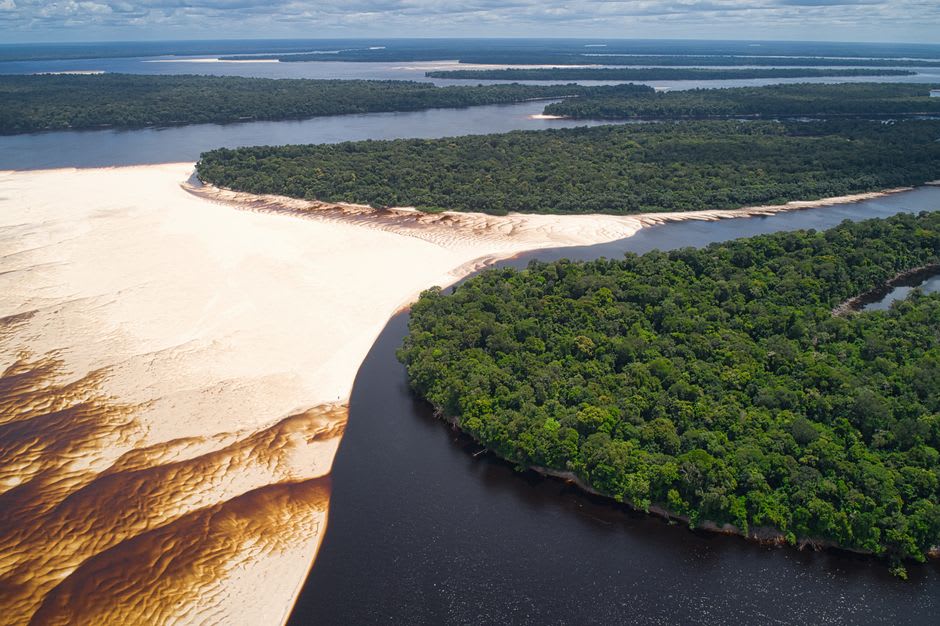
I got to Yasuni by motorized canoe, four hours down the Napo River from Coca, the engine cutting out twice for reasons the boatman explained in Spanish too fast for me to follow, both times fixed with a wrench and a shrug. The forest closed in on both banks almost immediately after leaving town, and by the second hour there was no other boat traffic, no clearing, nothing but green wall and brown water and the occasional silhouette of a giant ceiba tree standing over the canopy like it had opinions about the trees around it.
A Biodiversity Superlative That Actually Holds Up
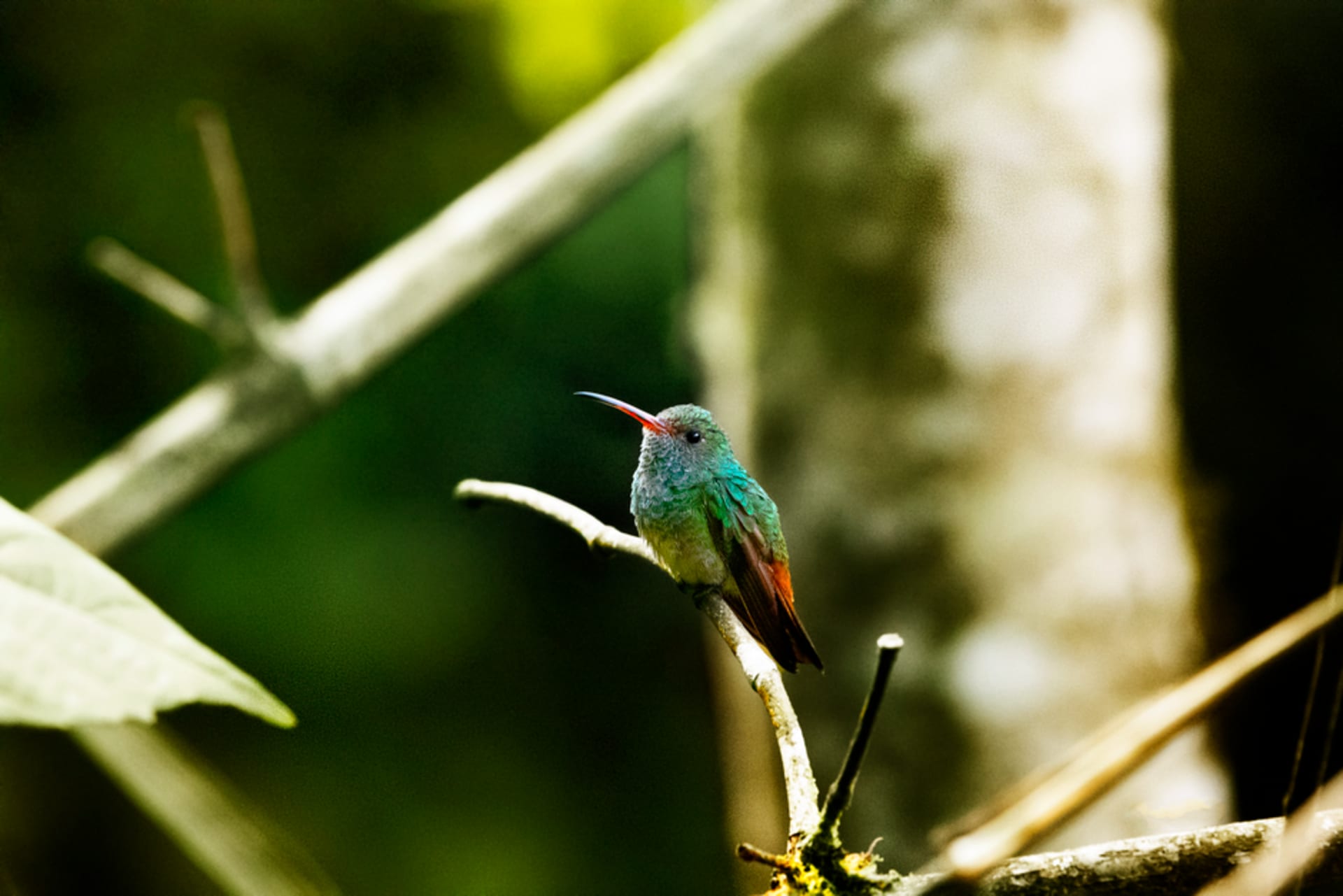
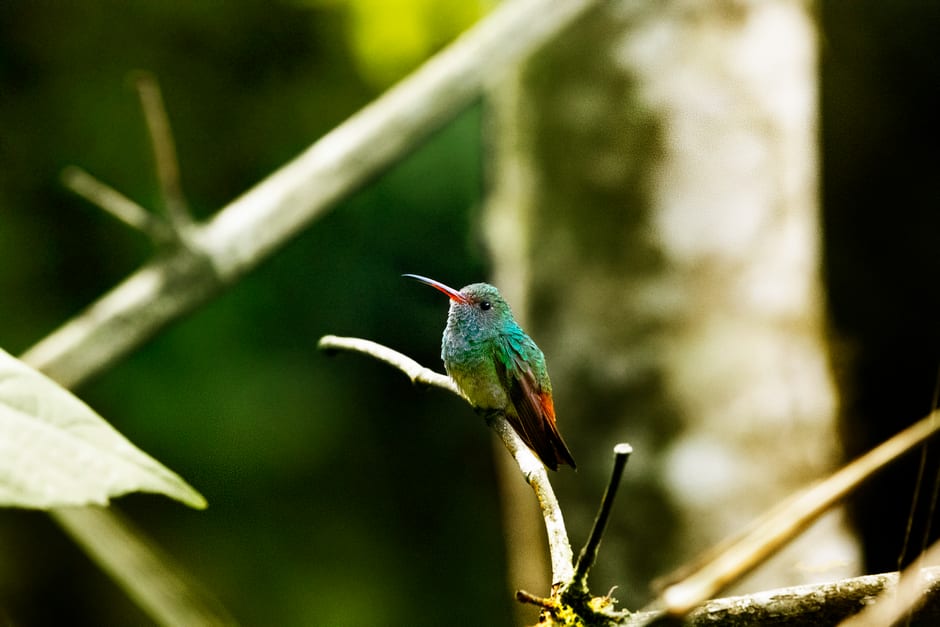
Yasuni sits at the confluence of the Andes, the equator, and the Amazon basin, a combination that scientists credit for concentrations of species that are hard to overstate without sounding like marketing copy — over 100,000 insect species estimated per hectare, more tree species in a single hectare than in the U.S. and Canada combined, more bat, amphibian, and bird species recorded here than almost anywhere else measured on Earth. I’m not a biologist and couldn’t verify a single one of those numbers myself. What I can say is that in four days I saw more distinct bird calls, more frog species at night, more variety in the understory than in any other rainforest I’ve walked through, and that includes stretches of the Peruvian and Brazilian Amazon.
Life on the Lodge, and in the Canopy
I stayed at a community-run lodge reached by canoe and a short forest walk, wood-floored cabins with mosquito nets and no electricity after 9 p.m., which turns out to be the right amount of electricity for a rainforest. A pre-dawn walk to a canopy tower — a steel structure built around an emergent tree, climbed via a spiral staircase to a platform above the treeline — put me at eye level with a troop of squirrel monkeys and a toucan working a fruiting tree, the whole forest steaming as the sun came up.
The Complicated Politics Underneath the Trees
It’s impossible to visit Yasuni honestly without acknowledging what sits beneath it: some of Ecuador’s largest oil reserves, inside a park that is also home to the Waorani and to two of the last uncontacted peoples on the continent, the Tagaeri and Taromenane. A 2023 national referendum saw Ecuadorians vote to halt oil extraction in the park’s ITT block, a rare case of a country choosing conservation over revenue by direct popular vote, though implementation has been contested since. Our guide, who was Kichwa and had worked both for conservation lodges and briefly for an oil contractor years earlier, talked about it without any tidy conclusion, which felt like the most honest way anyone had discussed it with me.
When to go: The Amazon doesn’t really have a dry season in the way the highlands do, but December through February tends to bring somewhat less rain. Go with a licensed community or conservation-affiliated lodge rather than an informal operator — it matters more here than almost anywhere I’ve traveled.