
Sumaco
"It looks like Cotopaxi got lost and wandered into the jungle, and almost nobody I met in Ecuador had actually been there."
A near-perfect volcanic cone rising alone out of unbroken Amazon rainforest, protected inside a biosphere reserve that gets a fraction of the visitors its more famous highland cousins do.
I heard about Sumaco almost by accident, from a guide in Tena who mentioned it the way you’d mention a good restaurant nobody else knows about — a little reluctantly, like he wasn’t sure he wanted more people finding out. Sumaco is a dormant stratovolcano rising to nearly 3,900 meters directly out of lowland Amazon rainforest in Napo province, a genuinely strange geological sight: a near-symmetrical volcanic cone, the kind you’d expect flanked by other Andean peaks, standing instead alone in unbroken jungle with no other mountains anywhere near it.
A Biosphere Reserve With No Easy Roads
Sumaco sits at the heart of the Sumaco Napo-Galeras National Park and the larger Sumaco Biosphere Reserve, a UNESCO-designated area protecting the transition zone where Andean cloud forest meets true Amazon lowland rainforest across a huge elevation gradient. Access is genuinely difficult — there’s no road to a summit parking area the way there is at Cotopaxi, and reaching the mountain means driving to a trailhead near the community of Wamani or Pacto Sumaco, then committing to a multi-day trek through dense, muddy, biologically extraordinary forest.
The Climb, Mostly Mud
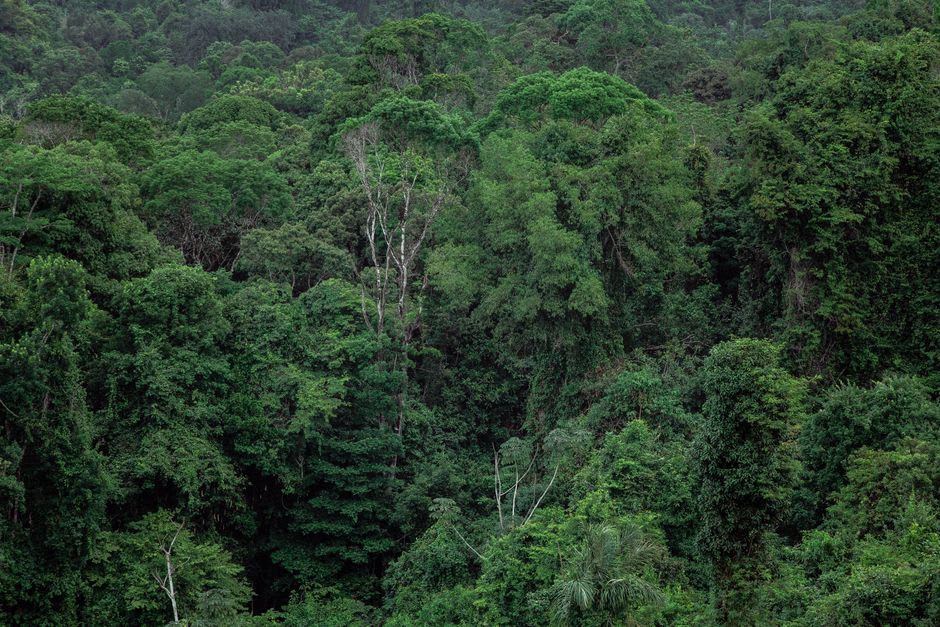
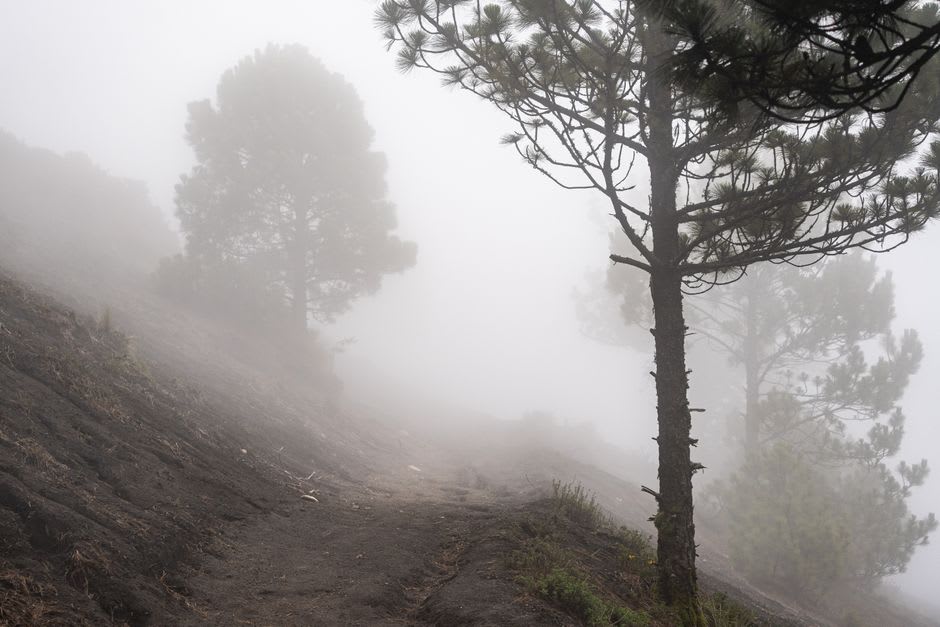
I didn’t summit — I went in with a guide from a nearby community for a two-day approach that got us to a refuge partway up, through forest that changed character every few hundred meters of elevation gained, thick lowland jungle giving way gradually to cooler, mossier cloud forest, the trail itself frequently just a channel of mud between roots. Howler monkeys called somewhere off to the side for most of the first afternoon. What struck me most was the total absence of other trekking groups — in two days we saw nobody else on the trail, a genuine rarity anywhere in Ecuador’s more publicized parks.
Why So Few People Go
Reaching Sumaco requires more time, more logistics, and more tolerance for mud and rain than most of Ecuador’s better-known volcanoes, and the community-based guiding infrastructure, while genuine and locally run, is much less developed than what you’ll find around Cotopaxi or Chimborazo. That’s precisely its appeal for anyone who has already done the more accessible peaks and wants a version of the same experience without another twenty hikers on the same trail.
When to go: The driest window, such as it is in this consistently wet part of the country, runs roughly October through February. Go with a guide from one of the local communities around Pacto Sumaco — the trail is not signed and route-finding through the forest without local knowledge would be genuinely difficult.