
Puerto Lopez
"The fish market opens before dawn and the whale-watching boats leave an hour later, sometimes from the same dock."
A working fishing village on Ecuador's central coast where humpback whales pass close enough to see from the beach, and the boats that chase them at dawn are the same ones hauling in the day's catch by noon.
I woke up in Puerto Lopez to the sound of the fish auction — men shouting prices over crates of dorado and pargo being hauled off boats that had been out since 3 a.m., pelicans and frigatebirds diving into the chaos for scraps. It’s not a scene staged for visitors. This is genuinely how the town starts its day, on the beach, in the dark, and the whale-watching operators and dive shops that cater to travelers have simply built themselves around that older rhythm rather than replacing it.
Whales, in Season
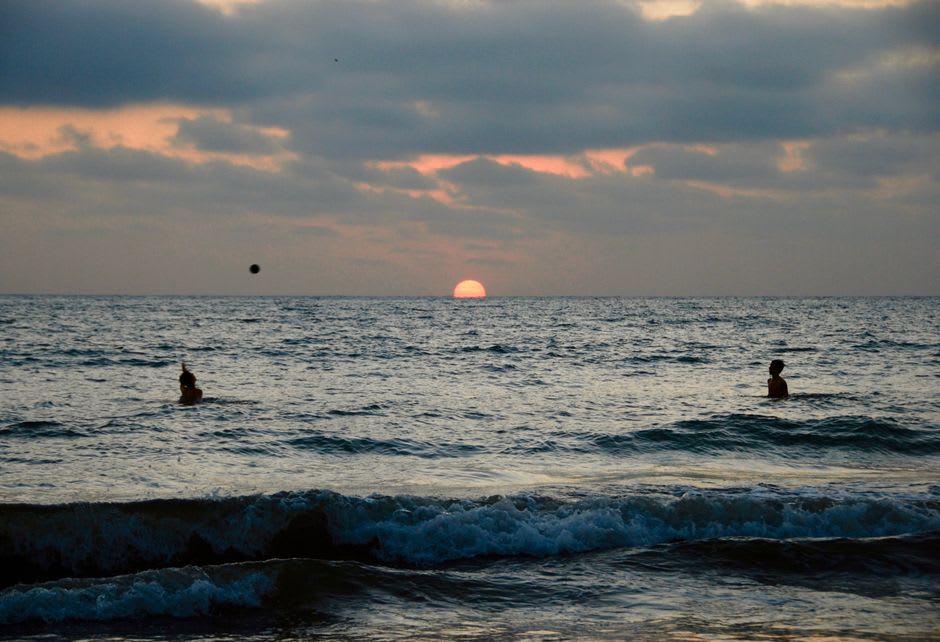
Between June and September, humpback whales migrate north from Antarctica to breed and calve in the warm waters off this stretch of coast, and Puerto Lopez is the easiest place in Ecuador to see them. I went out on a modest wooden boat with eight other people and a captain who cut the engine the moment we spotted a spout, and within twenty minutes we had a mother and calf breaching close enough that the spray reached the boat. Nobody on board said anything for a while. It’s one of those wildlife encounters that reads as a cliché until it’s actually happening to you, and then it doesn’t feel like a cliché at all.
Isla de la Plata and the “Poor Man’s Galapagos”
The same boats that chase whales in season run trips year-round to Isla de la Plata, a small island about 40 minutes offshore inside Machalilla National Park, nicknamed the poor man’s Galapagos for its blue-footed and Nazca boobies, frigatebirds, and sea lions — without the cost or logistics of the real archipelago. I’ll admit the nickname undersells it; walking a trail lined with nesting blue-footed boobies performing their strange stiff-legged courtship dance, utterly indifferent to visitors, is a genuinely good morning regardless of what it costs to see the same birds elsewhere.
The Town Itself
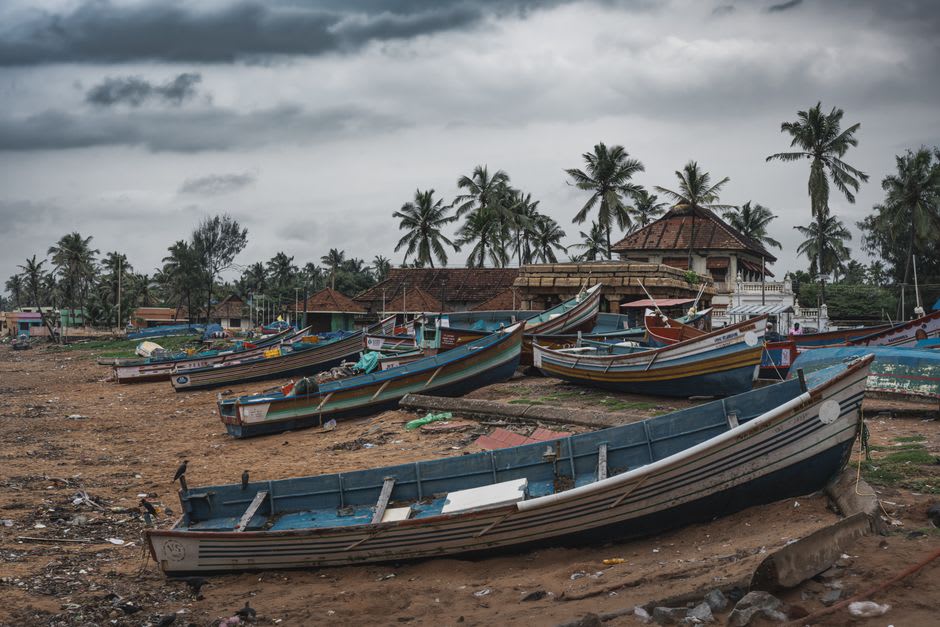
Puerto Lopez won’t win any awards for infrastructure — the streets are dust in the dry season and mud in the wet one, and the seafront is a mix of tour agencies, ceviche shacks, and boats in various states of repair. I liked it precisely for that. I ate the best ceviche de camarón of my trip from a woman working a single burner on the malecón, sitting on a plastic stool with my feet nearly in the sand, watching the day’s catch get weighed twenty meters away.
When to go: June through September is whale season and the town’s high season accordingly — book boats a day ahead. The rest of the year is quieter, hotter, and better for Isla de la Plata without the whale-watching crowds competing for boat space.