
Podocarpus National Park
"Someone at the ranger station called it the 'Garden of Ecuador,' and after one soaked, orchid-lined trail I stopped thinking it was an exaggeration."
A cloud forest reserve straddling the Andes-to-Amazon transition in Ecuador's far south, thick with orchids and hummingbirds and named for one of the last native conifers in South America.
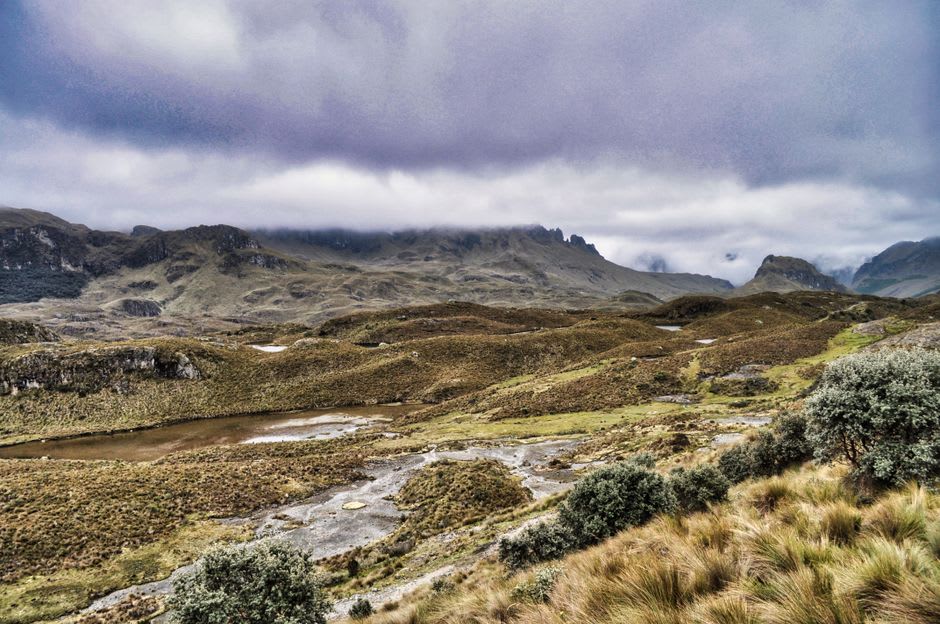
Podocarpus sits astride the boundary between the high Andes and the Amazon basin in Ecuador’s southernmost provinces, Loja and Zamora-Chinchipe, and the range of elevation packed into one park — from around 900 meters up to nearly 3,700 — produces a correspondingly absurd range of habitat and species in a relatively compact area. I entered from the Cajanuma sector, on the Loja side, a couple of hours’ drive from the city, into cold, dripping cloud forest that felt like walking through a held breath.
Cajanuma and the Lakes
The Cajanuma trail climbs steadily through elfin forest — stunted, moss-draped trees shaped by constant wind and cloud — toward a chain of high-altitude lakes called the Lagunas del Compadre, a multi-day trek for those going all the way, though I did a shorter loop that still delivered the full sensory version: bromeliads and orchids growing on literally every horizontal surface, hummingbirds working flowers at a pace that seemed to defy the cold, thin air, and a silence broken mostly by dripping water. This is one of the most orchid-diverse protected areas on Earth, with well over a hundred species recorded, though I’d need a specialist to have told me which ones I was actually looking at.
The Bombuscaro Entrance, a Different World
The park’s other main access point, Bombuscaro, sits near Zamora on the Amazon side, at a much lower and warmer elevation, and feels like an entirely different park — genuine lowland rainforest, warm rivers with swimming holes, and a noticeably different bird list from the cloud forest above. I did both entrances on the same trip, a jarring but rewarding contrast: cold, misty highland silence in the morning at Cajanuma, and by afternoon, humid jungle heat and the roar of the Bombuscaro River at the lower entrance, all within the same park boundary.
The Namesake Tree
Podocarpus takes its name from the podocarp, a genus of conifer that represents one of the only native cone-bearing tree lineages left in South America, remnants of a much older, cooler-climate forest type. A ranger at Cajanuma pointed one out to me, unremarkable-looking beside the more flamboyant orchids and bromeliads around it, which felt appropriate — the tree that named the whole park was the quietest thing in it.
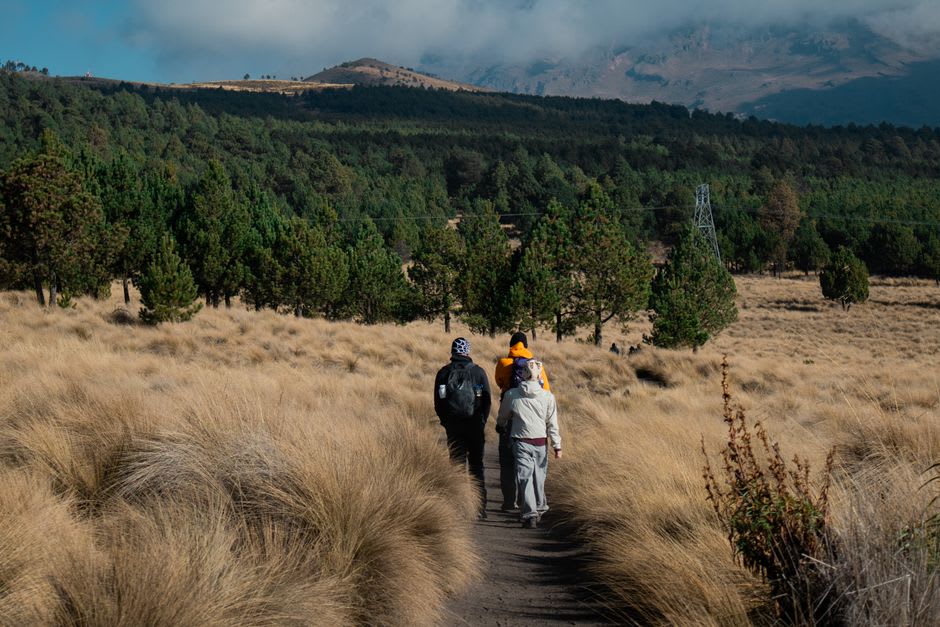
When to go: The cloud forest at Cajanuma is wet and misty most of the year regardless of season, so pack for rain whenever you go; the driest window is roughly September through December. Bombuscaro, being lower and warmer, is comfortable for swimming most of the year, with slightly less rain from August through January.