
Papallacta
"The air was five degrees and the water was forty, and for an hour that was the only fact in the world that mattered."
A cluster of volcano-fed thermal pools two hours from Quito, perched at 3,300 meters where the Andes start dropping toward the Amazon.
I arrived at Papallacta at dusk in a light freezing drizzle, which turned out to be the ideal possible condition for what I was about to do, because nothing makes a thermal pool feel more purposeful than genuinely cold air pressing down on the surface of hot water. The village sits on the eastern slope of the Andes, past the páramo, at the point where the highland road starts its long descent into the Amazon basin — a genuinely strange transitional landscape of grass moorland giving way, just a few kilometers further, to cloud forest.
Water from the Volcano
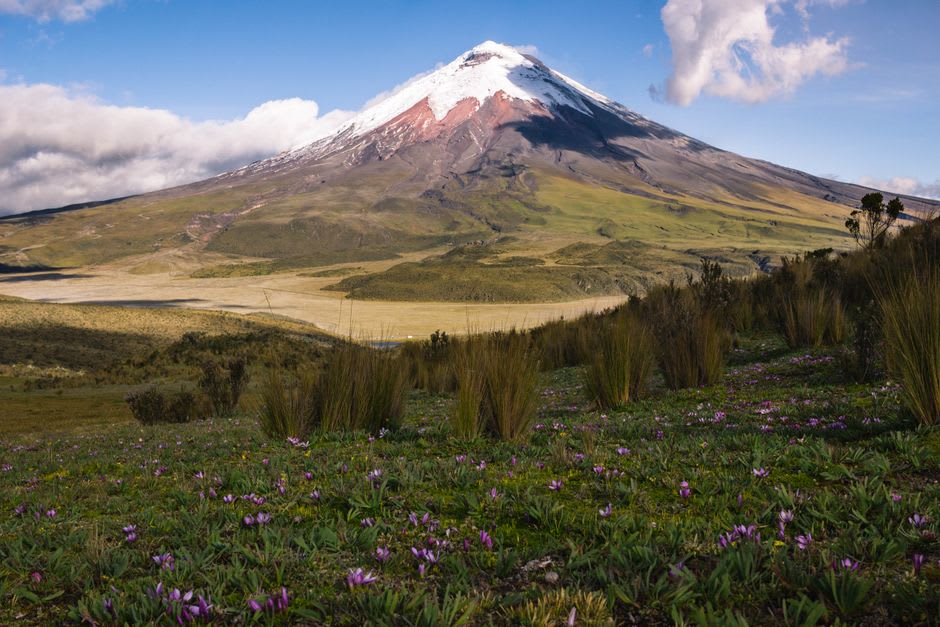
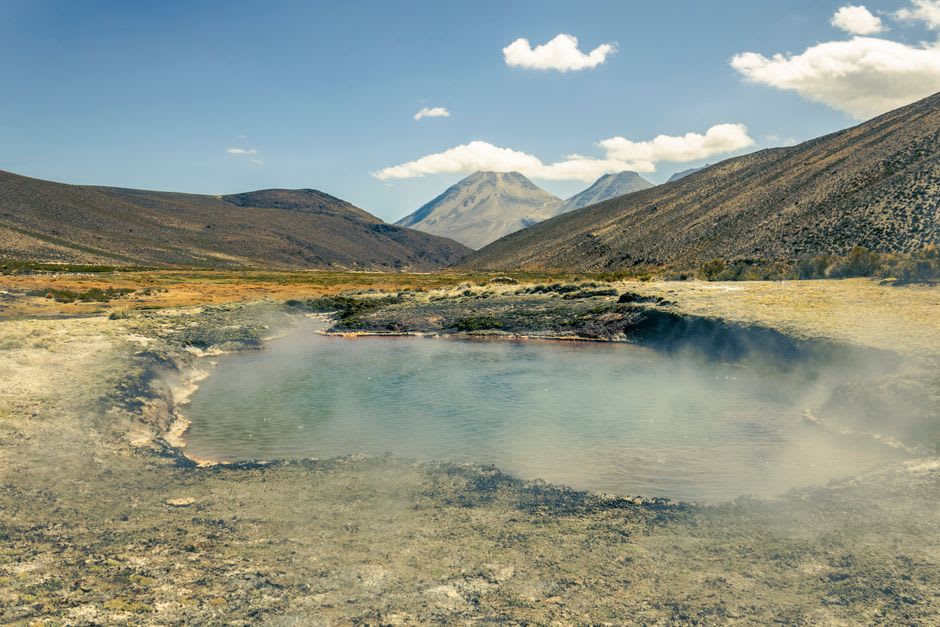
The pools are fed by geothermal activity associated with Antisana, the glaciated volcano visible from some of the higher pools on a clear day, and the mineral content gives the water a faint sulfur smell that I found more soothing than off-putting after the first few minutes. The main complex has a dozen or so pools of varying temperature, terraced down a hillside, plus a cold plunge pool that almost nobody uses voluntarily more than once. I moved between a hot pool and the cold one for the better part of two hours, the classic thermal-bathing rhythm, while cloud rolled over the ridge above and occasionally parted to reveal Antisana’s ice cap glowing orange in the last light.
Trout, Hummingbirds, and the Road to the Amazon
Papallacta village itself is small and utilitarian, built mostly to service the baths and the truck traffic passing through on the highway to Baeza and onward to the Amazon lowlands. The area is known for trout farming, and I ate one grilled whole with a garlic sauce at a restaurant attached to my hostel, caught that morning from a pond visible out the window. The nearby Cayambe-Coca Ecological Reserve protects a strip of páramo and cloud forest where the birding is exceptional — sword-billed hummingbirds, with bills longer than their bodies, work the same flowering shrubs along the roadside that everyone else drives straight past.
A Genuine Reset, Not a Resort
What I appreciated about Papallacta was how unglamorous it stayed despite being an easy day trip from Quito. There’s a nicer, pricier spa complex and a more basic municipal one, and both draw the same clientele of exhausted Quiteños escaping the city for a weekend, families with children doing cannonballs, older couples floating in silence. Nobody was there to be seen. Everybody was there because the water is hot and the mountain air is thin and cold, and the contrast between the two does something to the body worth driving two hours for.
When to go: Papallacta works year-round since the pools are the point regardless of weather, but clear mornings from June through September give the best odds of seeing Antisana’s summit. Go on a weekday — weekends draw heavy day-trip crowds from Quito.