Ibarra
"I came for the ice cream and stayed because the whole town turned out to be built with the same care as the dessert."
The 'White City' of the northern Andes, built on the ruins of an earthquake, known equally for its whitewashed colonial streets and a specific frozen dessert nobody leaves without trying.
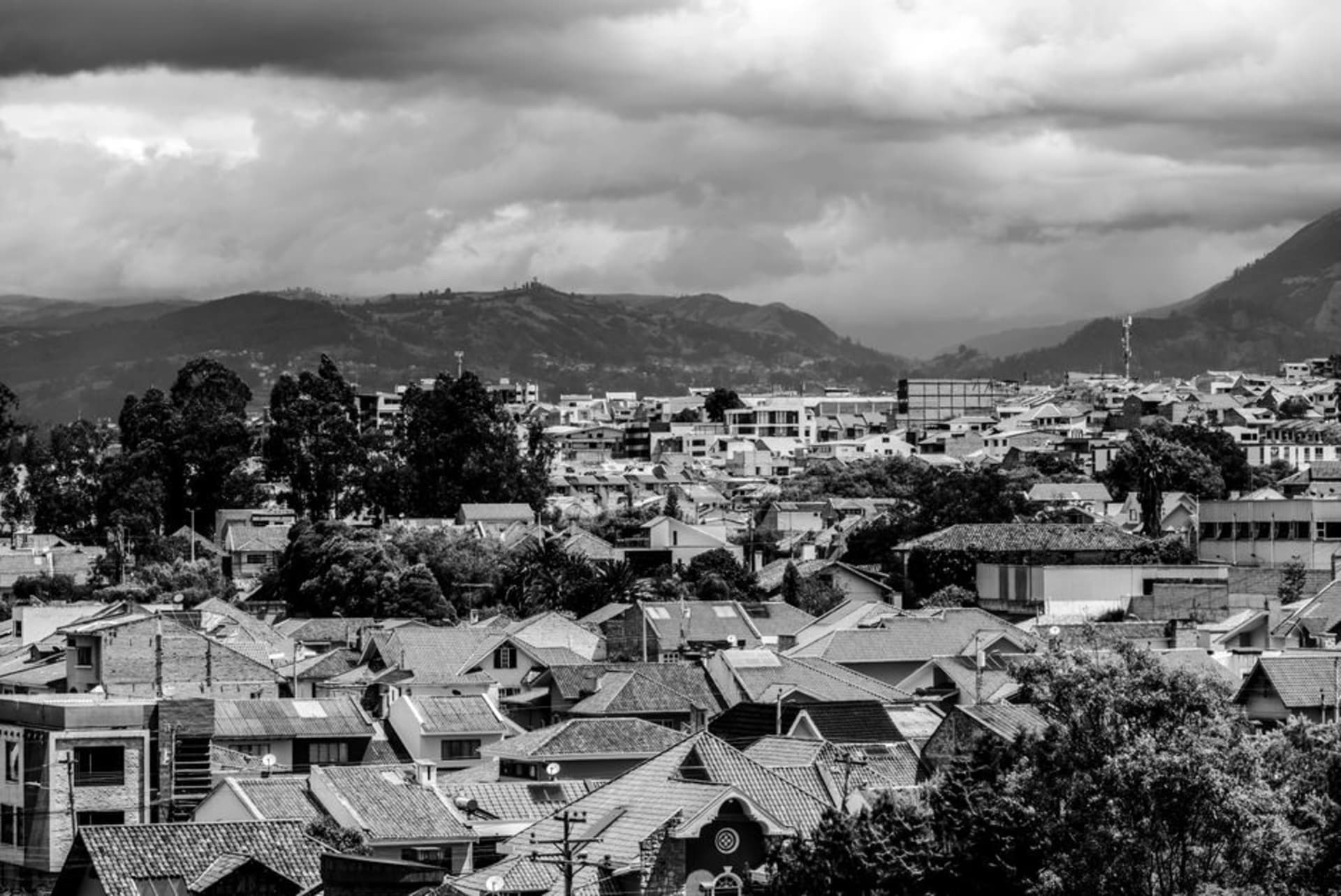
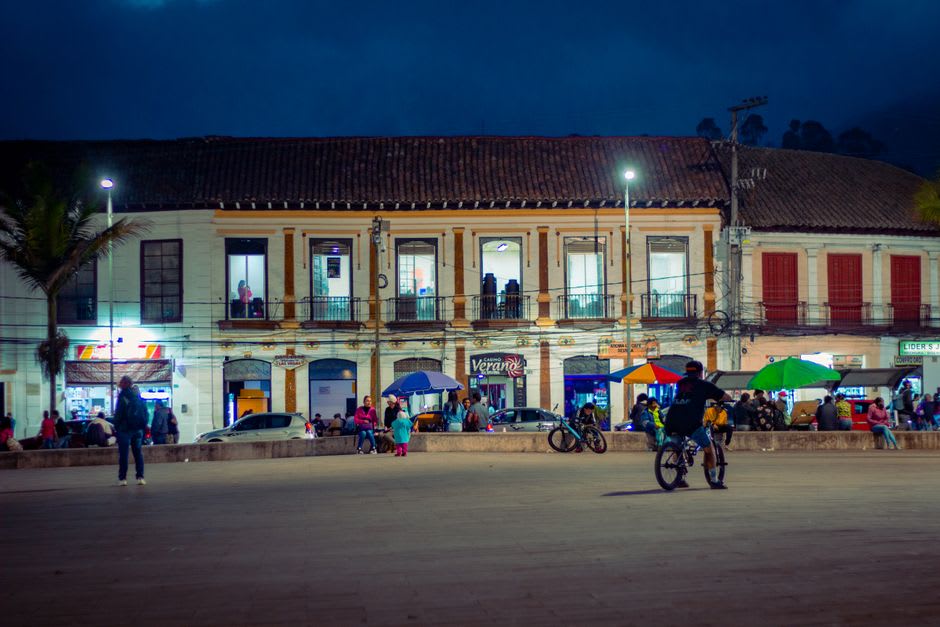
Ibarra earns its nickname, La Ciudad Blanca, honestly — the historic center really is whitewashed, block after block of colonial buildings with the same clean façade, a rule that survived the city’s most defining disaster. In 1868 an earthquake leveled the original town completely, and what stands now was rebuilt from scratch in the following decades, laid out with wider streets and the deliberate white-and-terracotta look that gives the center its unusual visual consistency compared to the more organic sprawl of older Ecuadorian cities.
Helados de Paila
I’d been told before arriving that I needed to try helados de paila, ice cream churned by hand in a large copper pan set over ice and salt, a technique that dates back generations in Ibarra and that the city treats as a genuine point of civic identity rather than a novelty. I found a shop just off the main plaza where an older woman was working a paila with a wooden paddle, the fruit pulp — mine was mora, Andean blackberry — slowly freezing into something with a different texture than machine-churned ice cream, coarser and more intensely flavored. I ate two servings within an hour, told myself it was for research, and don’t regret the lie.
Yahuarcocha and Its Difficult Name
A short drive from downtown, Laguna Yahuarcocha — “Lake of Blood” in Kichwa — carries one of the darker place names I encountered in Ecuador, referring to a 15th-century battle in which Inca forces reportedly killed thousands of Cara/Caranqui defenders and left the lake red. Today it’s a placid recreational lake ringed by a motorsport racetrack of some regional fame, walking and cycling paths, and lakeside restaurants serving fritada, the crispy fried pork the region is known for. The contrast between the name’s history and the lake’s current Sunday-afternoon-family-outing atmosphere is jarring in a way that felt worth sitting with rather than skipping past.
San Antonio de Ibarra
Just outside the city, the village of San Antonio de Ibarra has been a center of woodcarving for generations, its main street lined with workshops and galleries selling everything from devotional santos to abstract sculpture, much of it genuinely skilled work rather than tourist-market filler. I watched a carver working a block of cedar into a nearly finished condor, shavings piling around his sandals, and bought a small piece directly from a workshop rather than a shop, paying maybe a third of what the same item would cost in Quito.
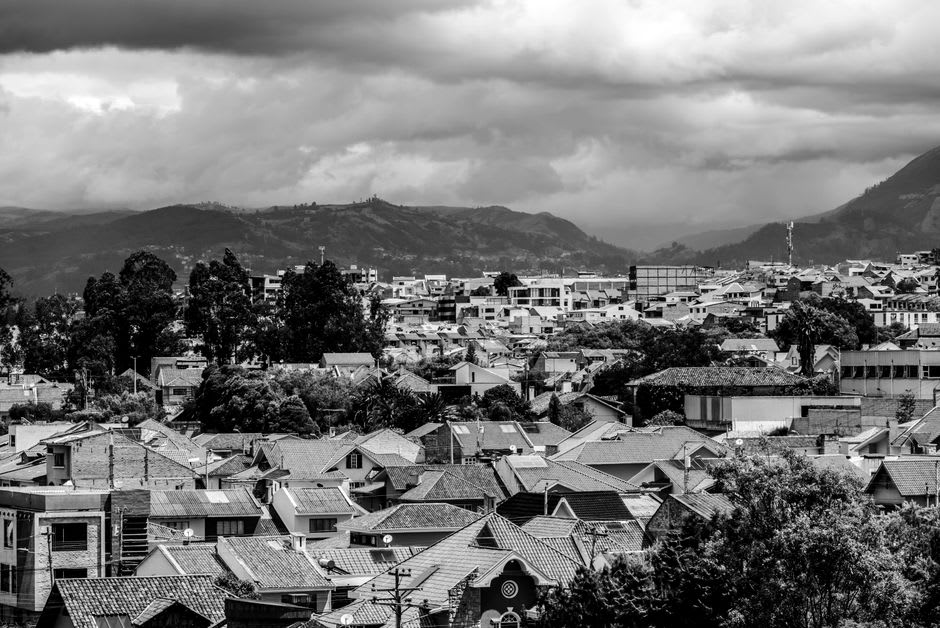
When to go: Ibarra’s climate is mild and springlike most of the year given its mid-altitude location; September through January tends to be driest. The town also makes a sensible, quieter alternative base to Otavalo, a half-hour away, if you want to visit the Saturday market without paying Otavalo’s higher accommodation prices.