Golden Gate Highlands
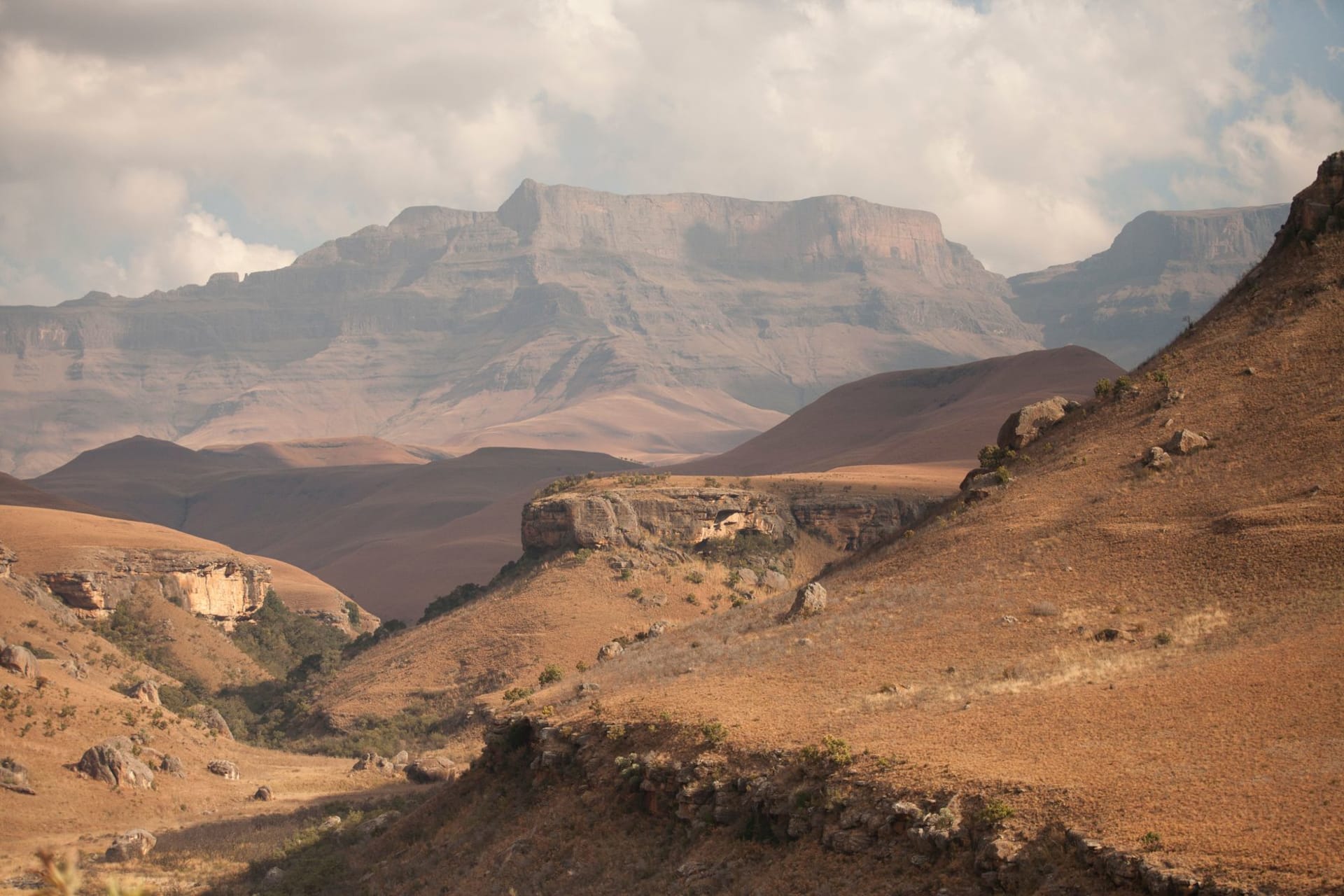
"The rock here isn't golden — it's everything from peach to blood orange, and it changes every hour like a mood."
I drove into Golden Gate Highlands National Park from the west, coming down off the high plateau of the Free State through a landscape so flat and featureless that the sudden appearance of the cliffs felt hallucinatory. The Brandwag Buttress — a two-hundred-metre sandstone bluff eroded into overhangs and caves that flame amber and rust in afternoon light — materialized around a road bend like a stage set. I pulled over and spent a long time looking at it. The colour is not golden in the simple sense. It shifts through peach, orange, rust, deep ochre, and occasionally a vivid red that looks like something applied deliberately. The rock was laid down by wind and water hundreds of millions of years ago and has been carved since by erosion into a landscape that the Free State has no right to keep secret.
Golden Gate sits in the northern foothills of the Drakensberg, in Free State province rather than KwaZulu-Natal, which means most Drakensberg visitors never reach it. The mountains here are sandstone rather than basalt — softer, warmer in colour, and shaped into formations that feel almost architectural: natural arches, cave overhangs, mushroom rocks balanced on narrow stems. The Clarens Formation sandstone holds fossils of the Jurassic period, and the park’s palaeontology trail takes you past sites where dinosaur footprints have been preserved in exposed rock for two hundred million years. They are modest — a few three-toed impressions in a flat slab — but standing over them in the open air does something to your temporal sense of proportion.
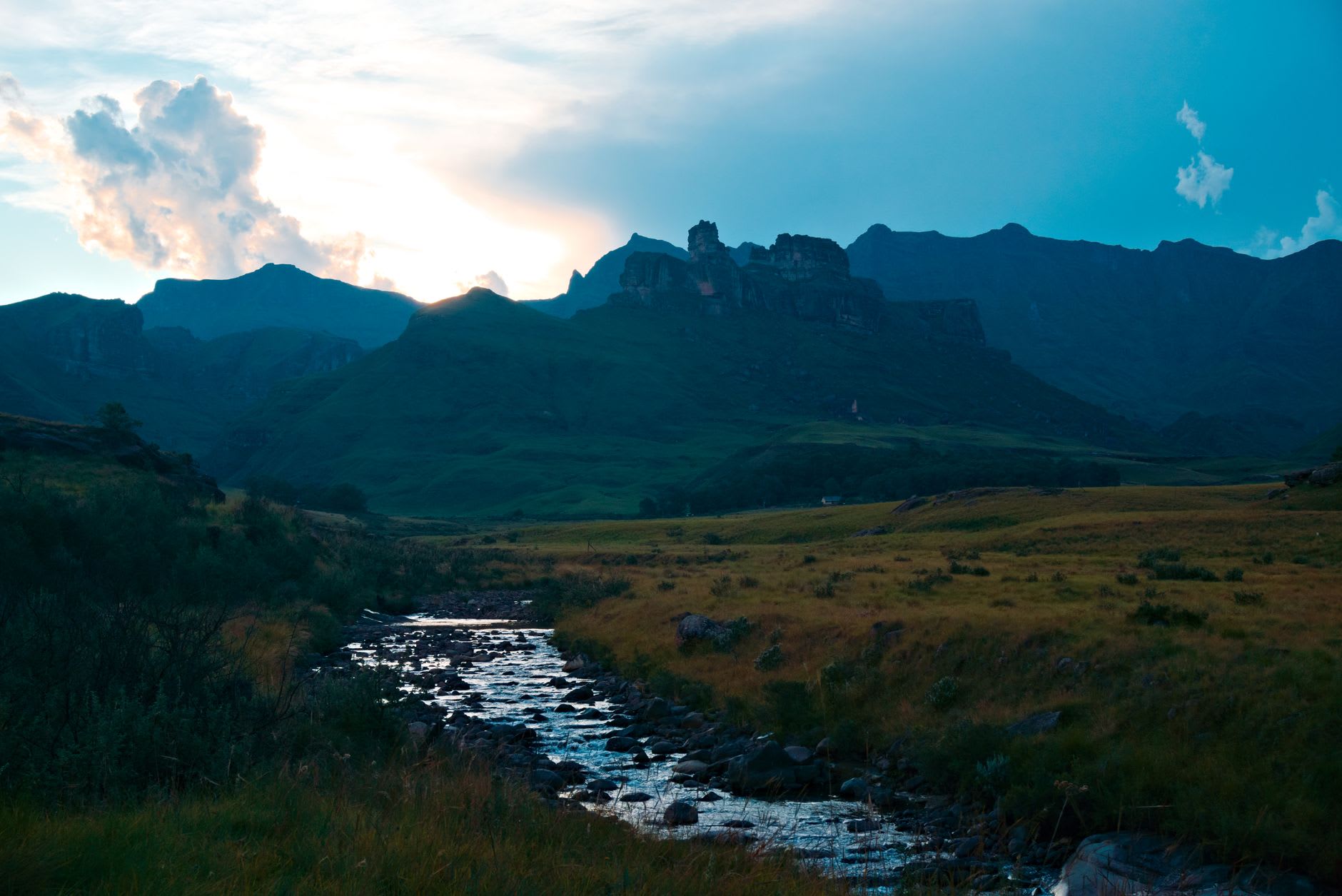
The park covers eleven thousand hectares of highland grassland and supports populations of blesbok, black wildebeest, eland, and mountain zebra that I encountered on the Rhebok hiking trail — a two-day circular route with overnight accommodation in the Vulture Hide, a rustic hut perched on a clifftop above the valley. The hut has no electricity and a single gas burner and the most absurd sunset view of any sleeping spot I have found in southern Africa. Bearded vultures — the same lammergeier I’d watched at Giant’s Castle, two hours south — circle the cliffs in the evenings with their bone-dropping habits and improbable rust-coloured plumage.
The town of Clarens, just outside the park’s eastern gate, is the useful afterthought. A small Clarens sandstone village with art galleries, craft studios, and restaurants that do a better job of sourcing local produce than most places three times the size. I ate grilled springbok at a wood-panelled restaurant while the owner explained that the meat comes from a farm ten kilometres away and arrives twice weekly. The cherry beer from a local microbrewery is remarkable — tart and cold and exactly right after a day in the mountain air.
At dawn, before the day hikers arrive, the park has a quality of stillness I didn’t expect from a place so accessible. The light on the Brandwag at six in the morning is pink, then orange, then the full amber gold that explains the park’s name, and the birdsong in the river thickets below the cliffs is so dense it sounds like a signal.
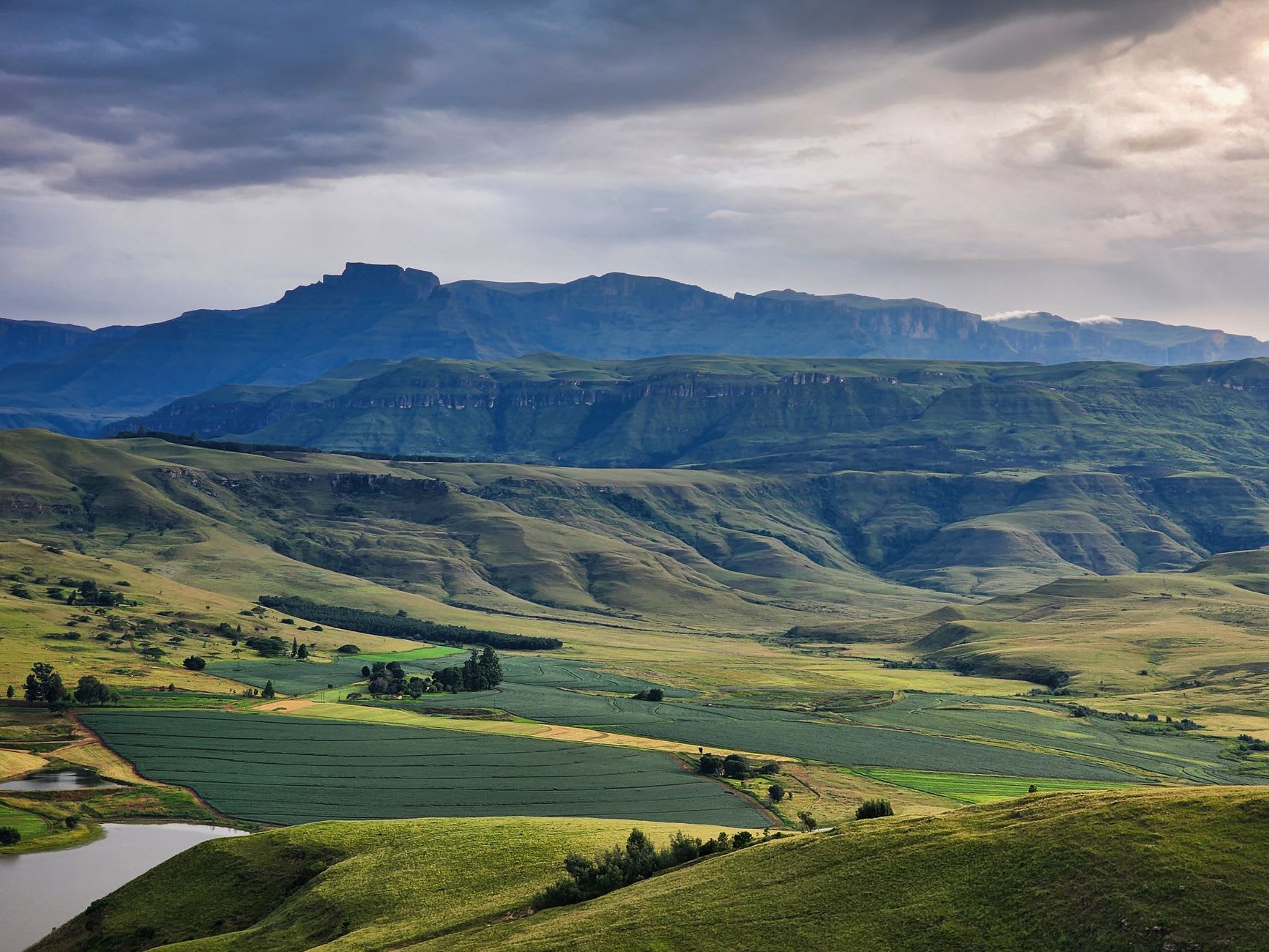
The park campsite is under tall willow trees beside the Little Caledon River. In summer the water runs fast and cold enough that the small wading pools the river creates in the bedrock are genuinely refreshing. Families camp here on long weekends and you hear braais being assembled from three in the afternoon, and the smoke drifts through the willows smelling of char and boerewors.
When to go: April through September for clear skies and the sharpest sandstone colour. The light is at its most theatrical in autumn (April-May) and winter (June-July). Summer brings lush green grassland but also afternoon storms. The Rhebok hut must be booked well in advance, especially for winter weekends.