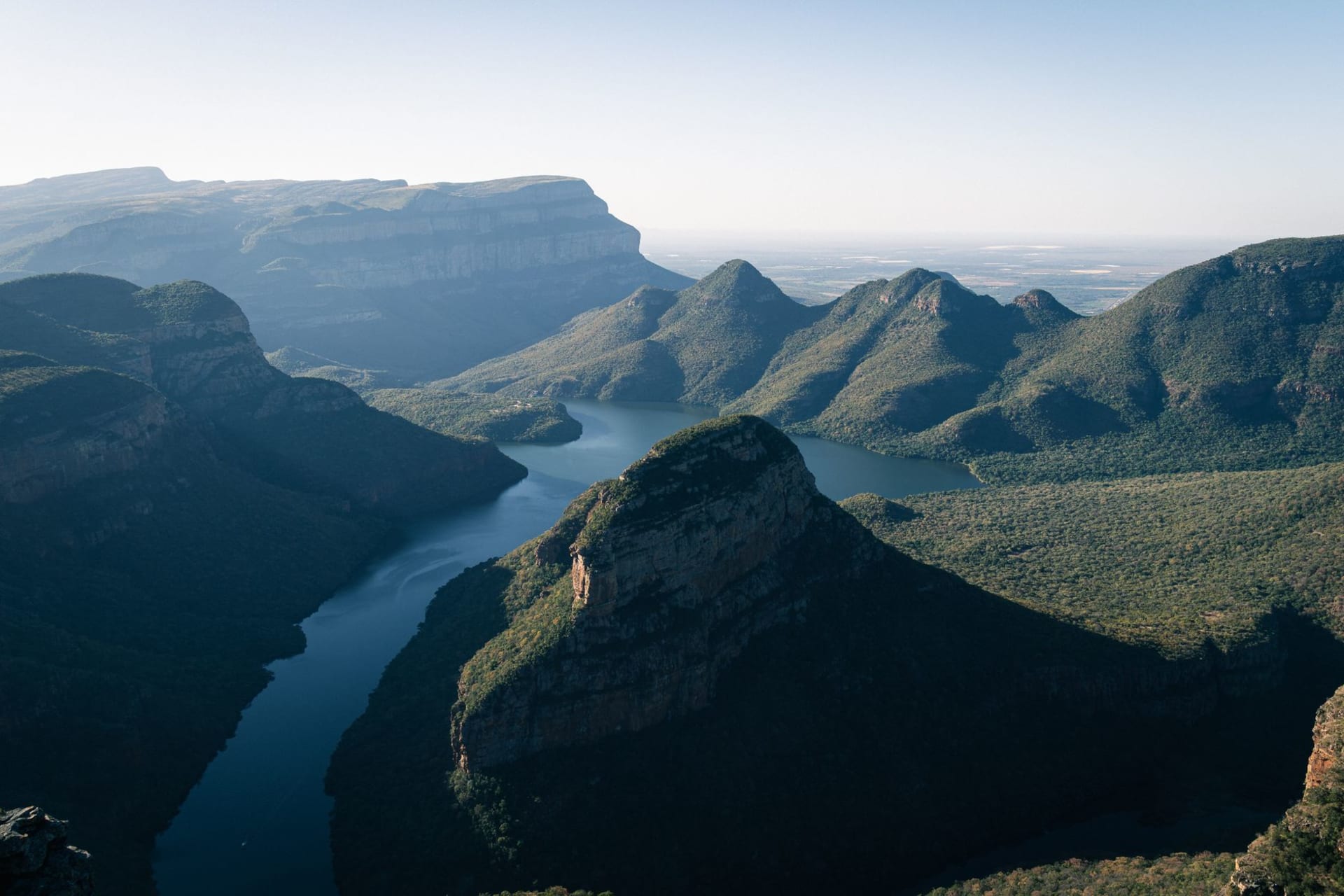
Champagne Valley
"The mountains here are close enough to feel like neighbours — the kind you don't speak to, but whose presence you count on."
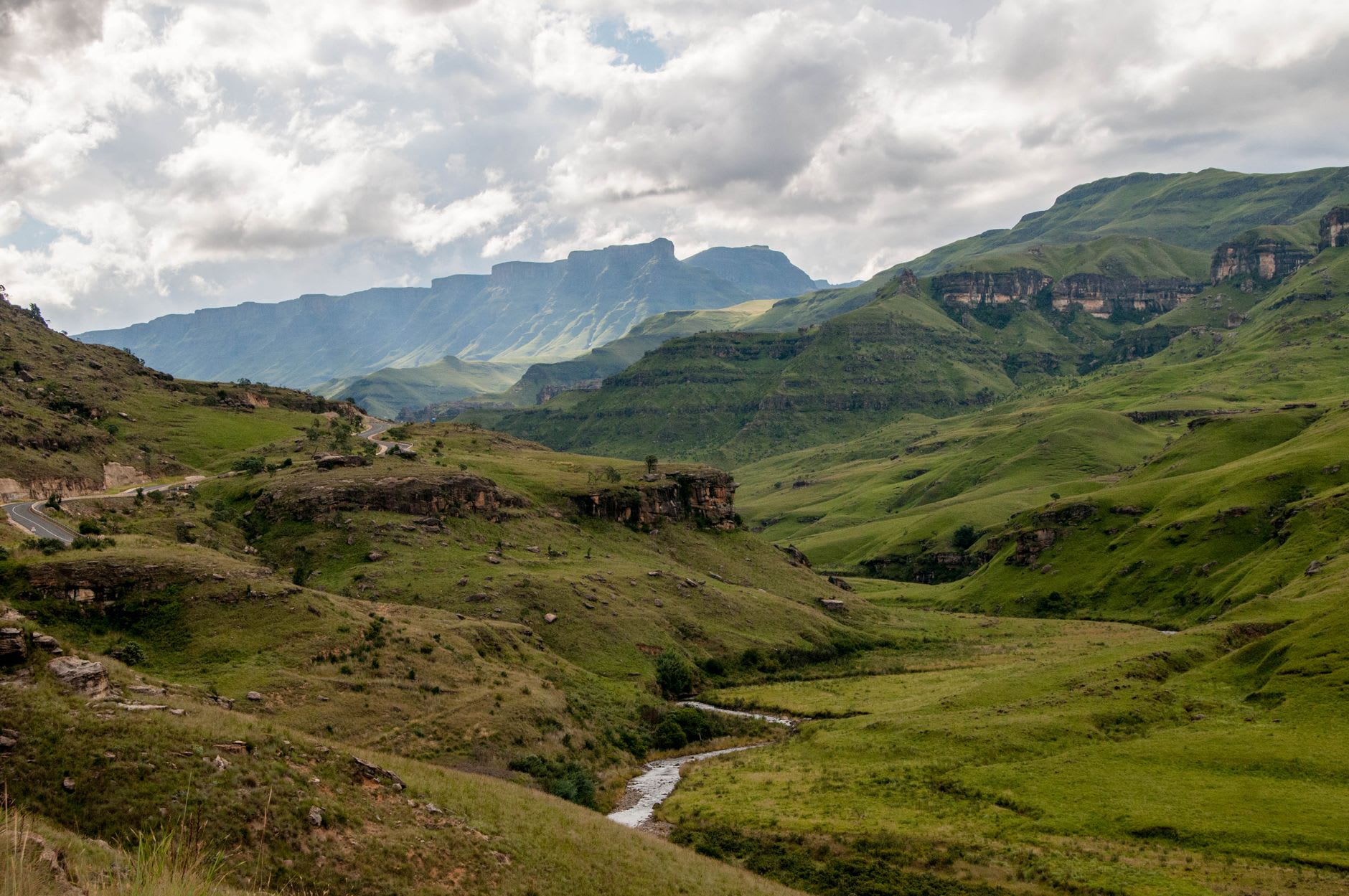
Champagne Valley is where most people arrive when they say they are going to the Drakensberg. The road in from Winterton winds through farmland and past craft stalls and resort signs before the mountains become too large to ignore, and then you round a bend and Cathkin Peak and Champagne Castle are simply there — not gradually revealed but suddenly present, filling the entire upper third of the windscreen. After the wide flat Midlands the effect is startling, like opening a door you didn’t expect.
The valley takes its name from a farm whose owners, on encountering the mist-shrouded peaks, decided they resembled something from the Champagne region of France. It is the kind of naming decision that says more about settler nostalgia than about the landscape, which is entirely its own thing and needs no European comparison. The peaks above — Champagne Castle at three thousand three hundred and seventy-seven metres, Cathkin Peak beside it, Monk’s Cowl to the north — form a massif that changes character dramatically with the light and weather. In early morning they are blue-grey and almost weightless. By midday they are sharp basalt and shadow. After an afternoon storm they steams and glow at the same time.
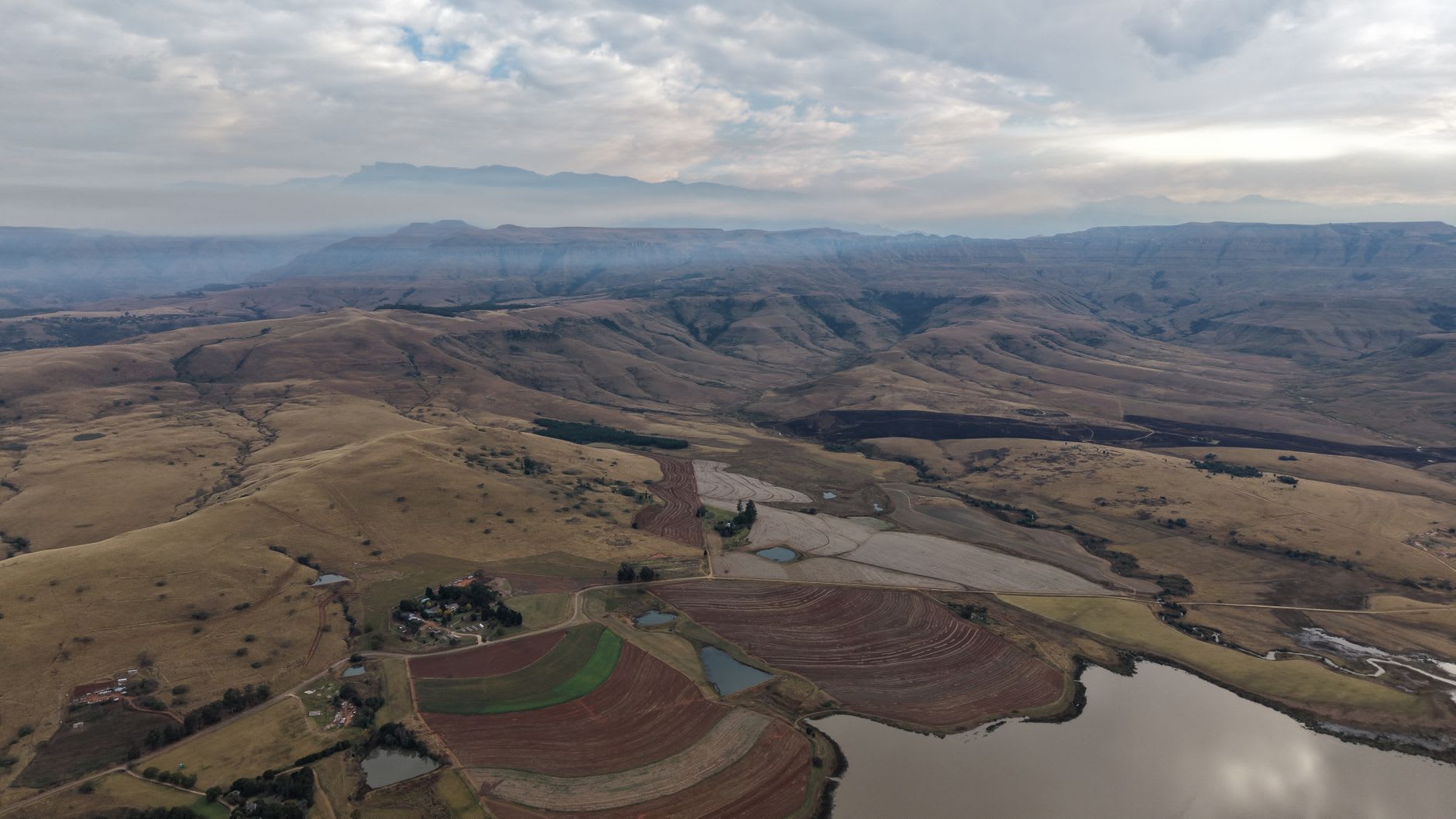
I based myself at a small guesthouse above the valley floor run by a woman who grew up in the valley and now keeps a kitchen garden with the specific stubbornness of someone who knows exactly what grows at fourteen hundred metres. Breakfast was boiled eggs from her own hens, thick toast with fig jam, and enough strong coffee to handle the mountain air. She recommended the Sterkspruit Falls trail for a half-day walk and was right — it climbs gently through grassland to a long ribbon waterfall that drops over a rock ledge into a pool big enough to swim in, which I did, briefly and with great regret at how cold mountain water can be even in October.
The valley also supports an active trout-fishing industry. Several farms stock dams and stretches of river, and on any given morning you can watch fly-fishermen standing motionless in the Sterkspruit stream, ankle-deep, casting with a focus that looks like meditation. I don’t fish, but I understood the impulse here — the quietness of the valley, the particular quality of morning light on moving water, the mountains above providing something like permission to slow down.
The craft markets along the valley road are worth time rather than a drive-past. A weaving collective near the Monk’s Cowl turn-off sells baskets and cloth made by women from the nearby Zulu communities whose households sit on the gentler lower slopes. The prices are real and the quality is exceptional — the kind of thing you buy and then spend five years wondering whether to use or keep.
In the evening the valley cools fast and the resorts light their fireplaces. The mountain silhouette holds against the sky long after the valleys go dark, and at full moon the peaks glow silver against whatever darkness is left above them.
When to go: May through September for clear mountain days and cool, comfortable hiking temperatures. October brings warmer weather and the first wildflowers. The valley is popular with families over South African school holidays — Christmas/New Year and Easter — when accommodation books out weeks ahead. Weekdays in the off-season offer the valley almost to yourself.