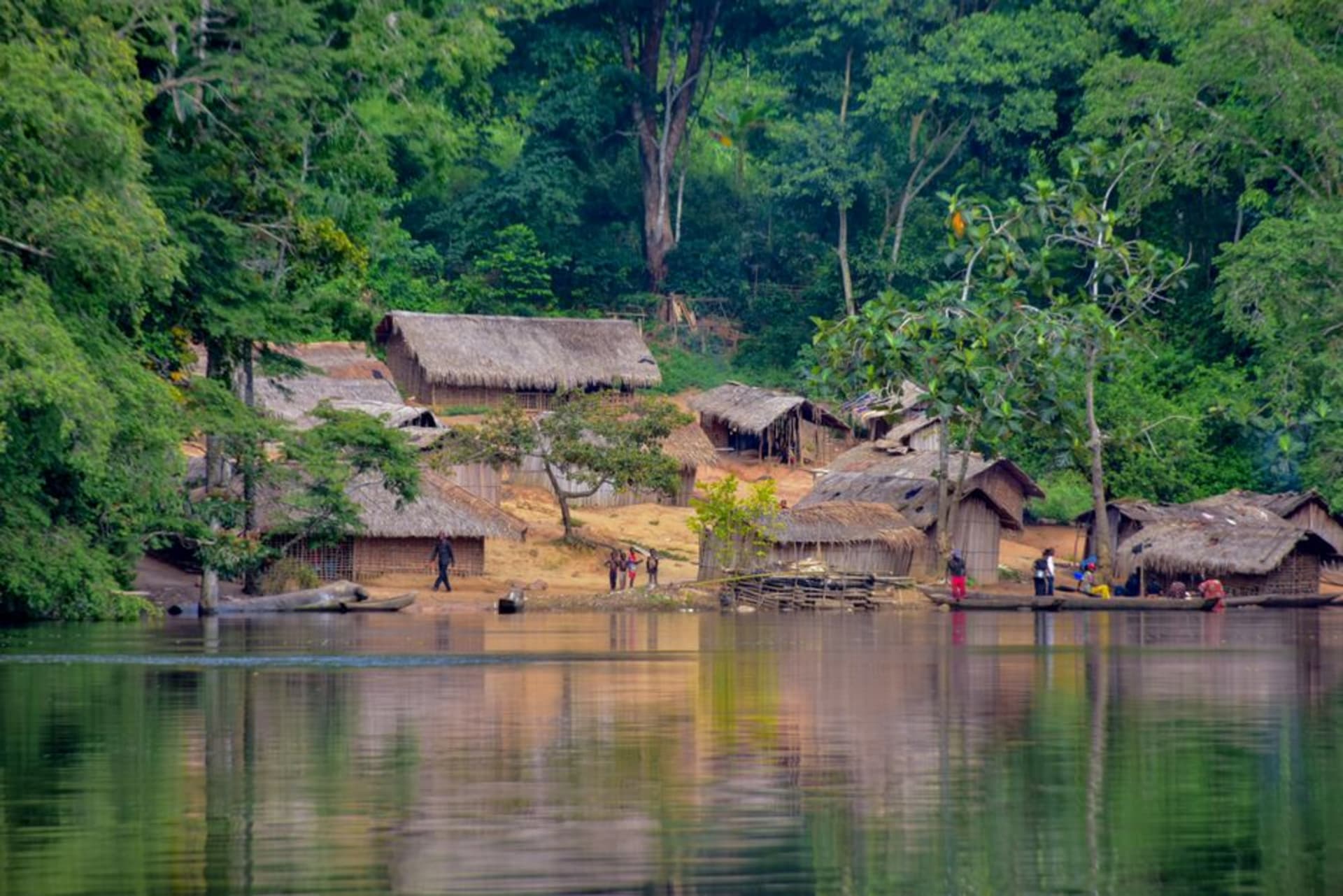
A river-only rainforest wilderness in the heart of the Congo Basin, home to bonobos and a silence I still think about.
I’ll be honest, I almost talked myself out of Salonga twice before we actually got there. There’s no road that reaches it — not a dirt track, not a shortcut, nothing. The only way in is by river, and once you accept that, the whole trip reorganizes itself around the current. Lia and I spent the better part of two days on a pirogue with an outboard motor lashed to the back, watching the forest close in on both banks until it felt less like we were visiting a park and more like the park had quietly absorbed us. At roughly 36,000 square kilometers, Salonga is the largest tropical rainforest reserve in Africa, and it sits right in the middle of the Congo River basin, which sounds abstract until you’re actually inside it and realize there’s no edge in sight.
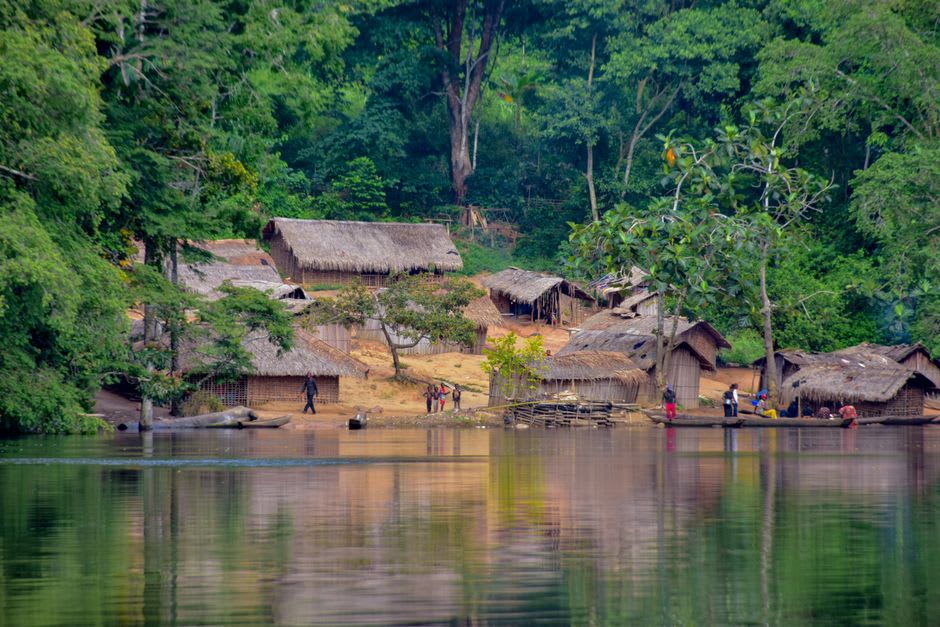
What got me most wasn’t the size of it, though — it was how quiet a place this dense can be. We cut the motor one afternoon to drift past a stand of trees where our guide swore he’d heard bonobos the week before, and for a good twenty minutes nobody said a word. Salonga is one of the last strongholds for wild bonobos, and it also shelters the Congo peacock and forest elephants, species I’d only ever read about in field guides that always felt slightly theoretical to me. We never got the clean, National Geographic sighting — a rustle in the canopy and Lia grabbing my arm was about as close as we came — but that half-glimpse stayed with me longer than a full one probably would have.
The park was named a UNESCO World Heritage Site back in 1984, and for over two decades, from 1999 to 2021, it sat on the List of World Heritage in Danger because of poaching and instability. Our guide, who’d worked with the park’s rangers for years, talked about that period without much drama, just as something they’d lived through and worked their way out of. It was removed from the danger list in 2021 after real, sustained anti-poaching efforts, and hearing that from someone who’d been part of it hit differently than reading it in a report. It’s the kind of good news that doesn’t make headlines outside conservation circles, but it should.
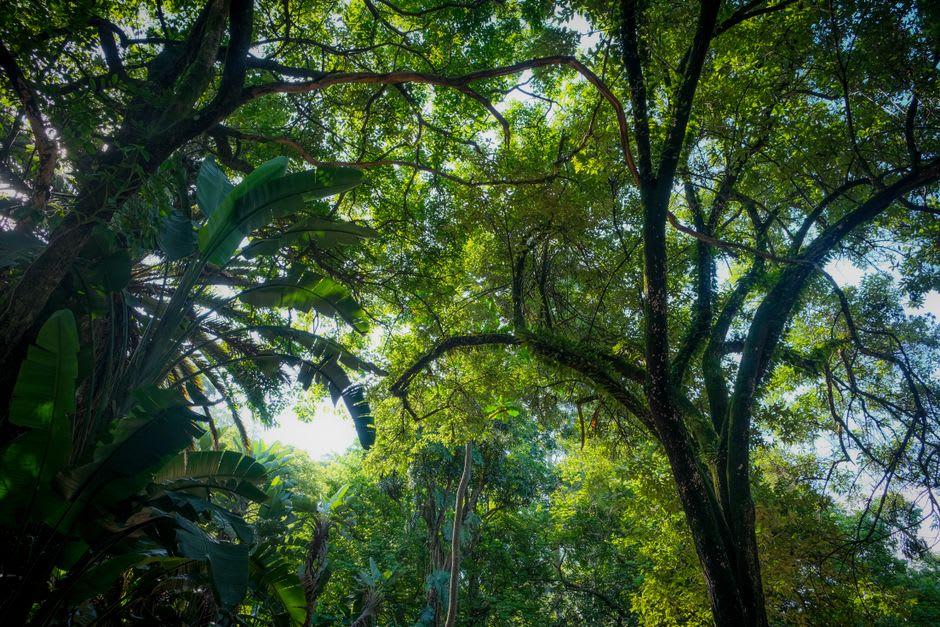
We camped two nights on a sandbar the guides knew from experience, ate fish grilled over the fire that had been caught an hour earlier, and I remember lying there listening to the forest do whatever forests do at night — clicks and calls I couldn’t identify and didn’t try to. Salonga isn’t a place you tick off a list. It’s a place you get quietly rearranged by, and I’m still not entirely sure I’ve finished processing it.
When to go: We went in July, right in the drier stretch between June and September, when the rivers are calmer and easier to navigate and wildlife tracking on foot is actually feasible — outside that window, the rains make both a lot harder.
Keep exploring
More from DR Congo
 dr-congo
 Virunga National Park
Africa's oldest park, where mountain gorillas move through volcanic forest and a lava lake glows orange on the crater rim above.
Explore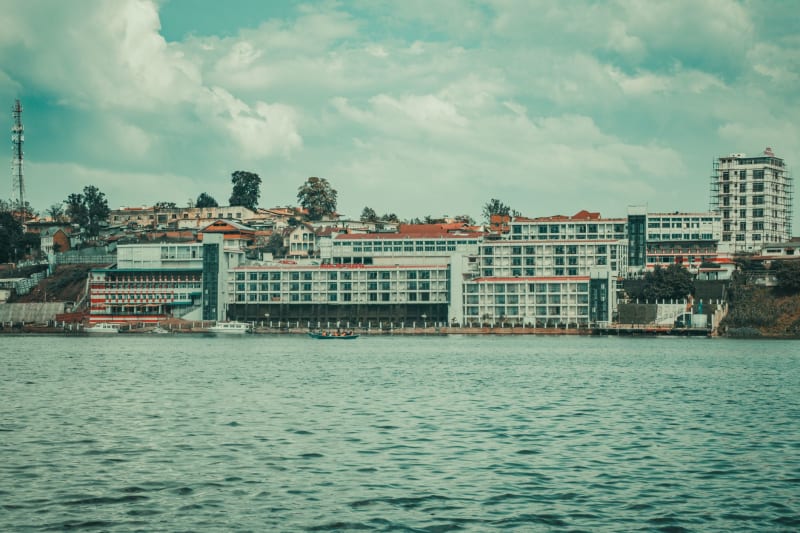 dr-congo
 Bukavu
A lake city of crumbling Belgian villas and smoky fish stalls draped across five green peninsulas at the southern end of Lake Kivu.
Explore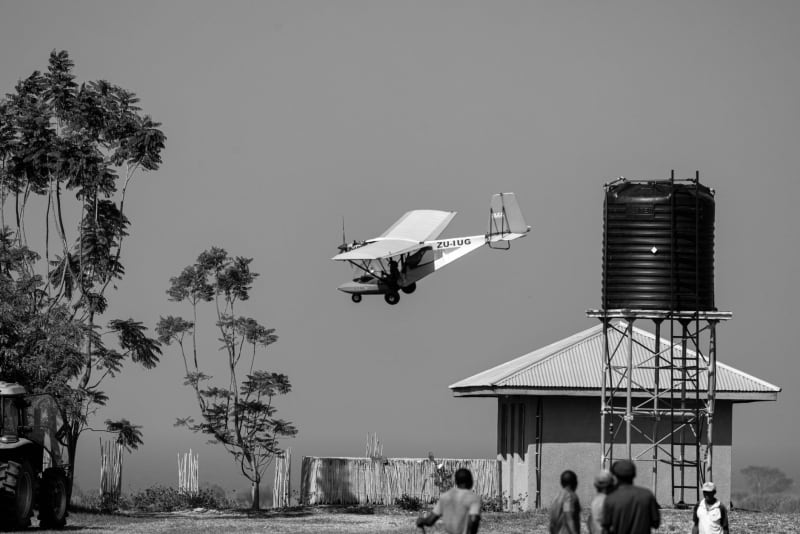 dr-congo
 Garamba National Park
A vast northeastern savanna park where Congo giraffes and long-tusked elephants move through golden grass in one of Africa's rarest landscapes.
Explore dr-congo
 Goma
A frontier city built on hardened lava where an active volcano glows at night and Lake Kivu glitters impossibly blue by day.
Explore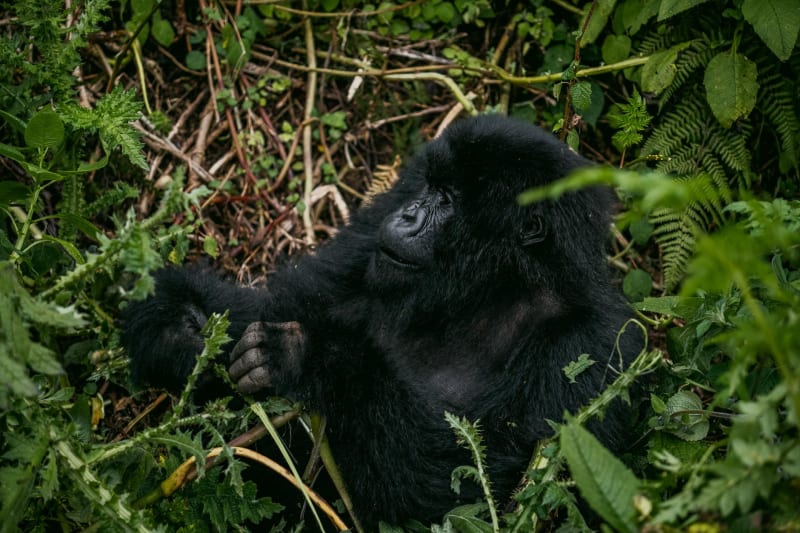 dr-congo
 Kahuzi-Biéga National Park
A UNESCO highland forest where eastern lowland gorillas — the world's largest great apes — move through ancient bamboo like myths made flesh.
Explore dr-congo
 Kalemie
A weathered lake port where colonial rails meet Tanganyika's shore, and the Lukuga River quietly drains an inland sea.
Explore