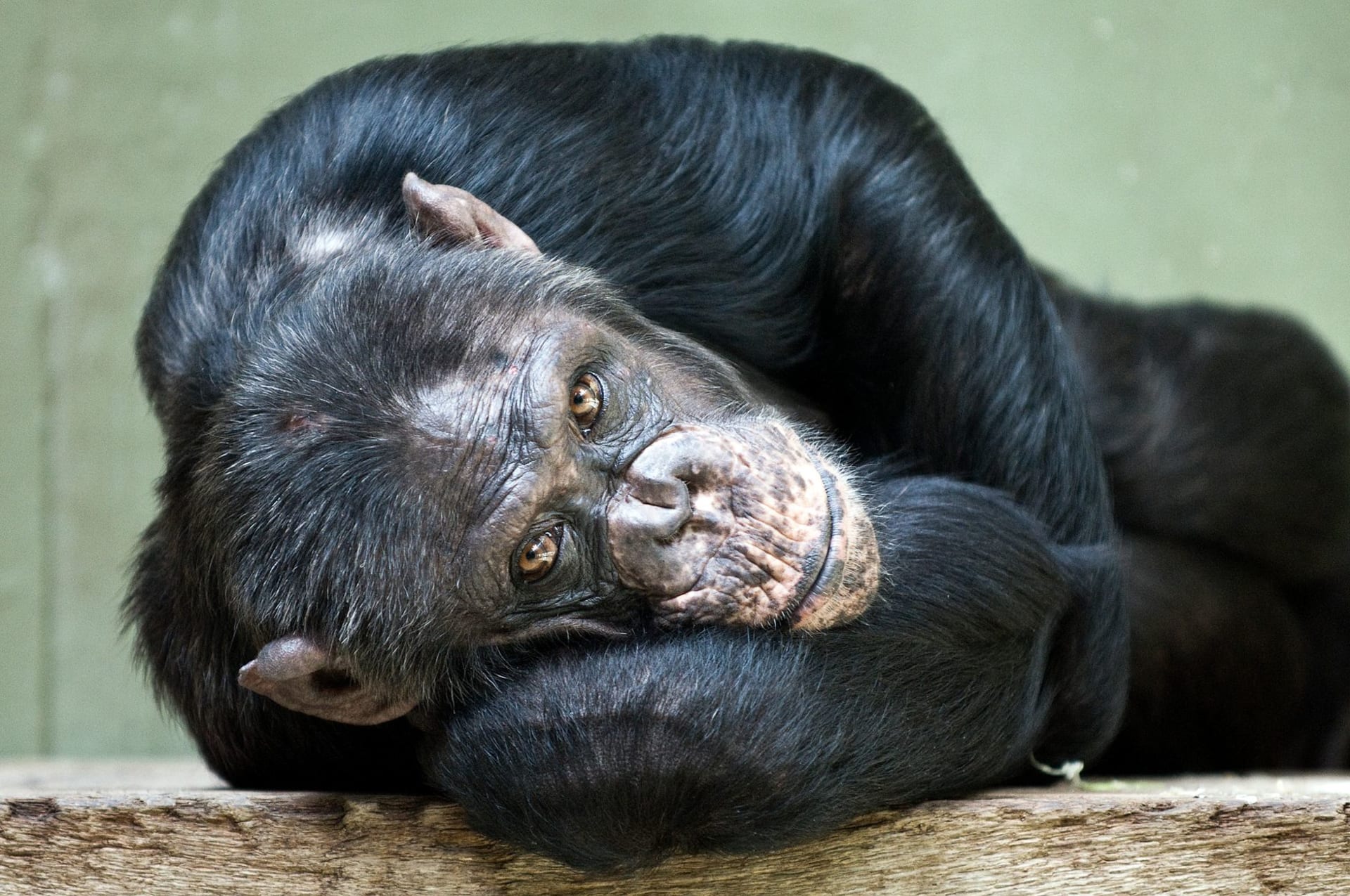
Lola ya Bonobo
"Bonobos make eye contact in a way that asks you something specific — I'm still not sure what the question was."
The road south of Kinshasa passes through neighbourhoods that thin gradually into market towns, and then, thirty kilometres from the capital, into something approaching forest. The forest here is secondary — regrown, scrubby, interspersed with small farms — but as you turn off the main road onto a track through the trees, something shifts in the air. The city noise drops. The birds get louder. And then you are at the gate of Lola ya Bonobo, which translates from Lingala as Paradise for Bonobos, and which is exactly what it claims to be.
Claudine André founded this sanctuary in the 1990s for bonobos rescued from the bushmeat trade — orphaned infants whose mothers had been killed, confiscated from traffickers, brought in from villages throughout the basin. Bonobos exist only in the DRC; the species range falls entirely within the curve of the Congo River, which forms a geographic barrier that has kept them separate from the chimpanzees to the north and west for perhaps two million years. The sanctuary is both their refuge and the only place outside the wild where you can spend time in their presence with any real understanding of what you are looking at.
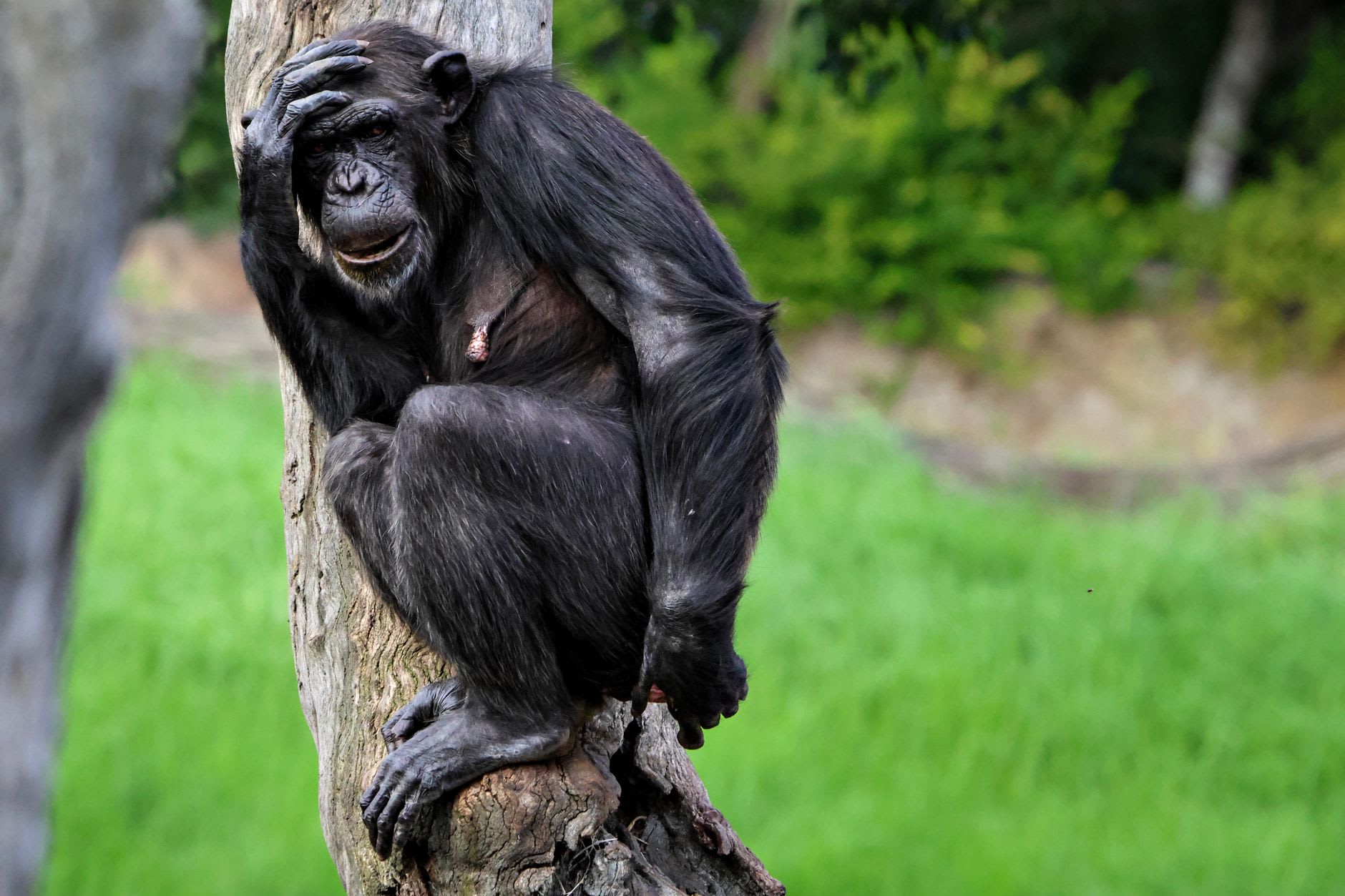
The bonobos move through a large fenced forest area where they spend their days largely as they choose. A guide took me to an observation point where, within ten minutes, a group of seven or eight had settled in the canopy overhead and on the ground nearby. They are smaller than chimpanzees, more slender, with darker faces and a bearing that I keep wanting to describe as thoughtful, knowing that this is projection. But the eye contact — if you sit still, they will look at you, and they will hold the look longer than is comfortable — has a quality of genuine assessment that I don’t know how else to account for. A female sat three metres from where I was crouching and regarded me for perhaps two minutes. I felt, absurdly, as though I was being evaluated for something I hadn’t applied for.
What I didn’t know before coming here, and what shifted my understanding of the visit: bonobos are tied with chimpanzees as the species most closely related to humans, at roughly 98.7 percent shared DNA. But their social structures are profoundly different — less hierarchical, more female-led, less prone to the dominance violence that characterises chimp groups. The researchers at Lola study bonobos partly because of what they might say about the range of evolutionary paths that were available. That question hovered over my afternoon in a way that made the forest feel different on the drive back to Kinshasa.
The sanctuary is funded by entrance fees and international donations, and the work extends into conservation education with Congolese schools. The staff who care for the animals are Congolese — young men and women who know the name of every bonobo individually, their histories and personalities and particular habits. There is something in watching a keeper interact with an animal he has raised from infancy, the easy familiarity of it, the form of knowledge that lives in the hands rather than in language.
When to go: Lola ya Bonobo is open year-round, Tuesday through Sunday, with morning hours (approximately 8am to noon) being the best window — the bonobos are most active in the morning, and the light is better for observation. The drive from central Kinshasa takes forty-five minutes to an hour depending on traffic. The rainy season (October–April) can make the access track soft but the sanctuary remains open; book visits a day or two in advance.