São João da Pesqueira
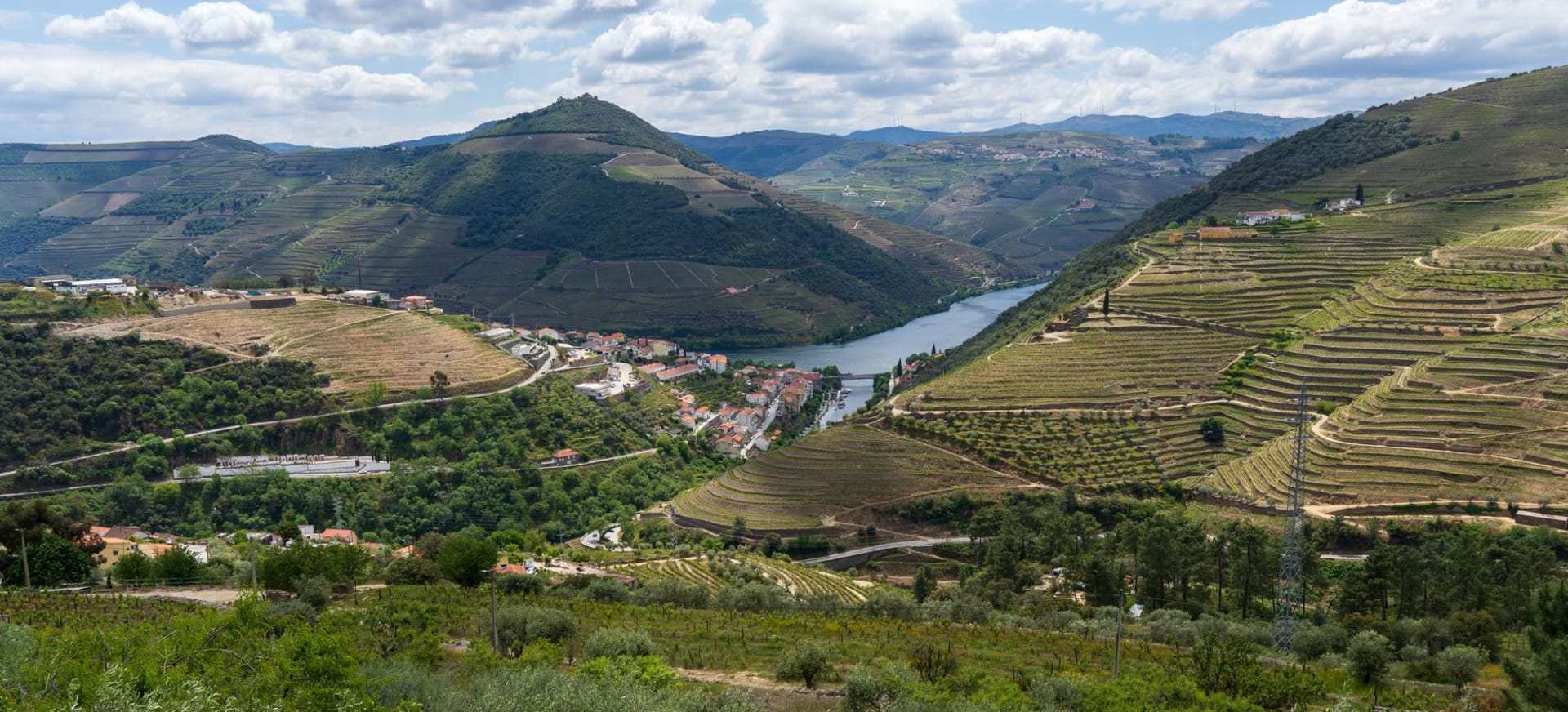
"From up here, the river is just a silver thread and the terraces look like something God was building but never finished."
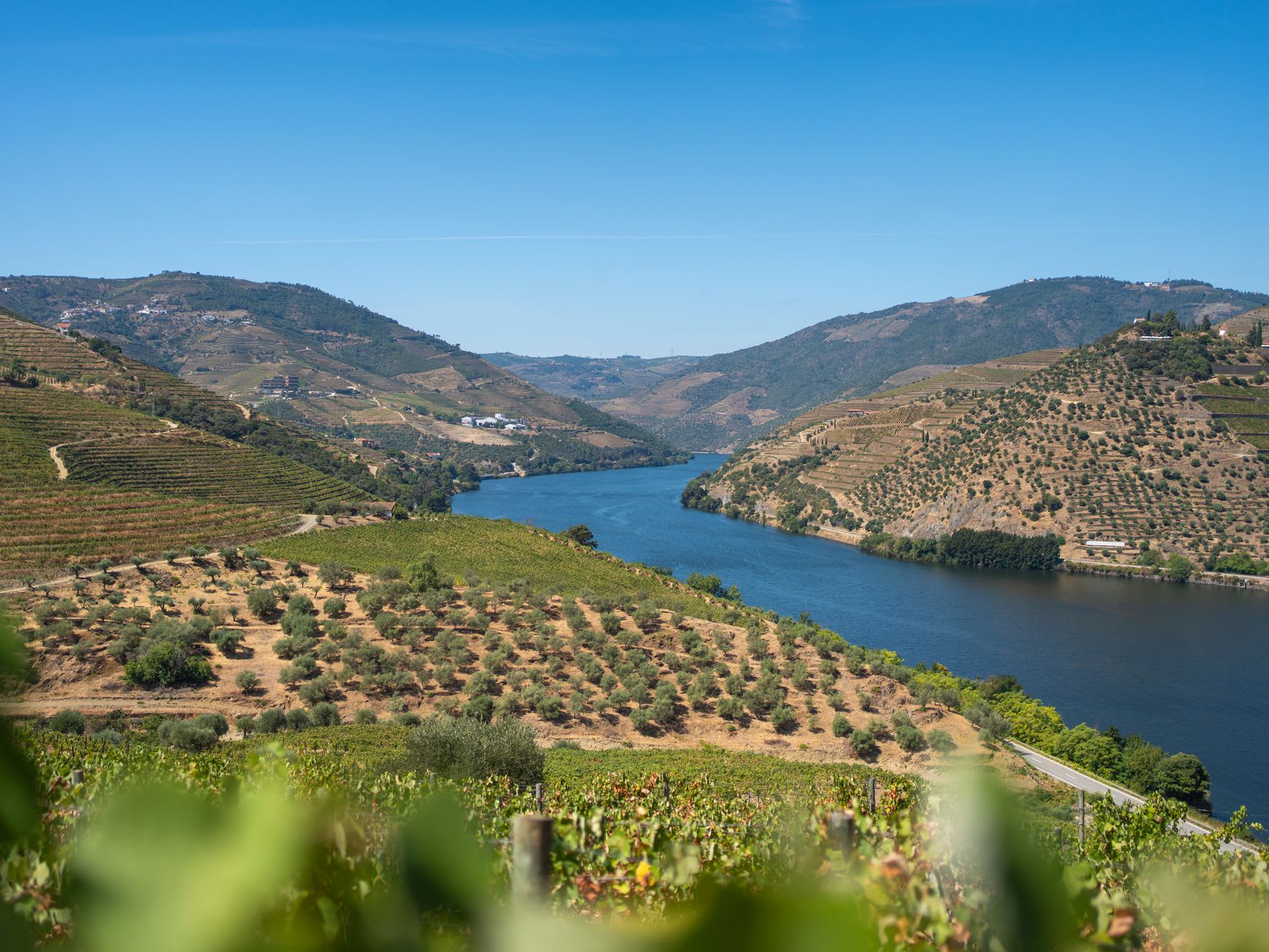
The road up from the valley floor gains four hundred metres in about eight kilometres, switching back through vineyards that grow progressively more dramatic as you climb. By the time I reached São João da Pesqueira, the Douro had shrunk to a silver thread far below and the terraces — which from the water look overwhelming in their scale — had resolved into a kind of geometry, a pattern of schist walls and vine rows repeating endlessly down the canyon walls. I pulled over at the miradouro on the edge of the plateau and stood there long enough that a local woman coming back from her garden stopped and asked, in a tone suggesting mild bafflement, whether I was alright.
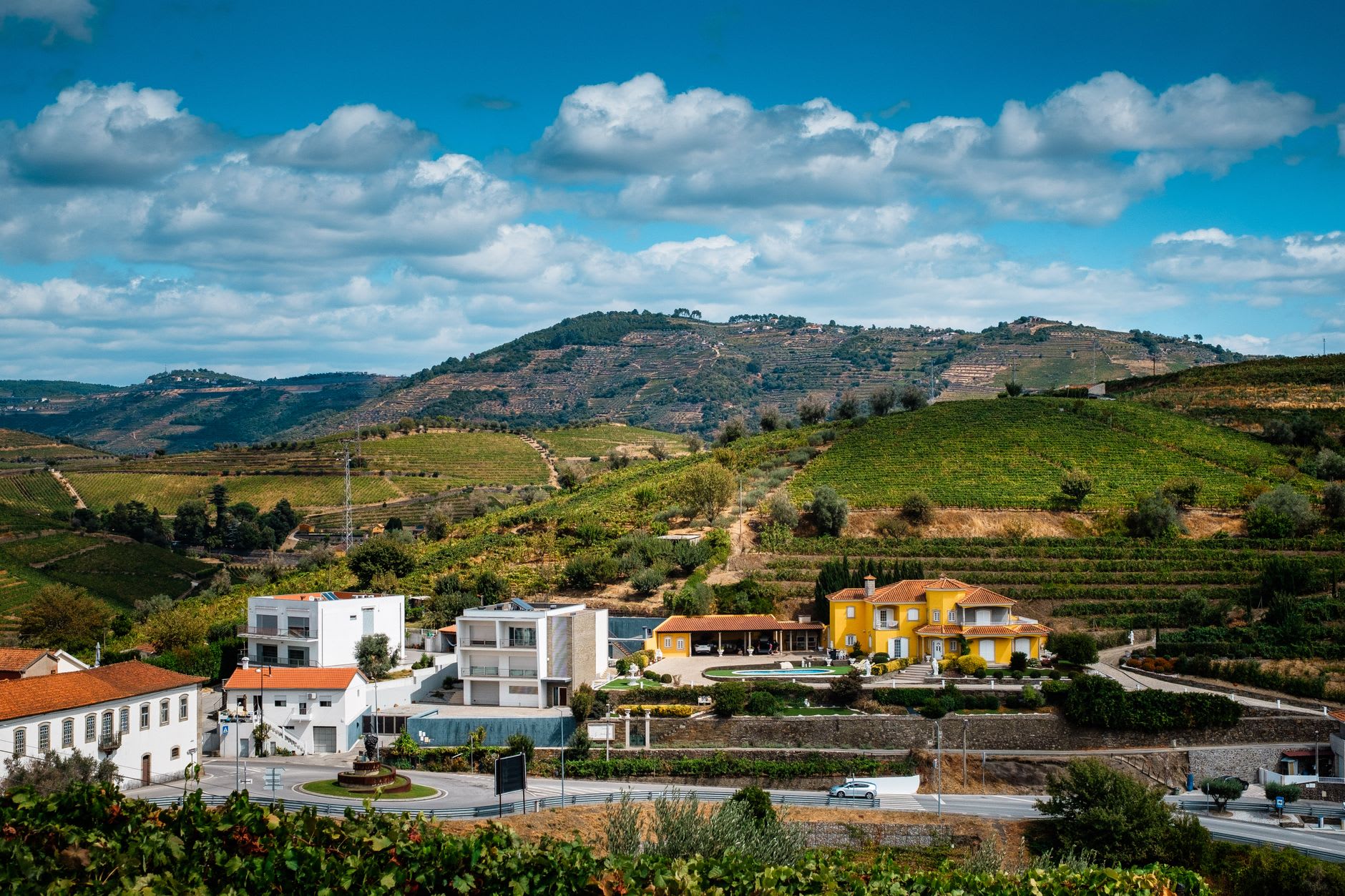
The village itself sits on a plateau of schist at about five hundred metres, surrounded by vineyards on all sides. It is a genuine working community — not a tourist village, not a quinta hotel destination — where people keep goats and tend vines and sit outside their houses in the late afternoon sun. The main square has a church with a Manueline doorway and a couple of cafés where the bica costs eighty cents and the men discussing the harvest are discussing it seriously, not for the benefit of visiting foreigners. I drank two coffees and understood almost nothing of what was being said around me, but the rhythm of it was pleasant.
The wine cooperative here is worth a visit and a tasting. São João da Pesqueira sits in the heart of the Cima Corgo — the central Douro sub-region where the port wine grapes achieve their most concentrated expression. The altitude moderates the extreme valley heat, which produces grapes with better natural acidity than those grown at river level, and the resulting wines — both the ports and the dry table reds — have a precision that the hotter, lower-lying sites sometimes lack. I bought two bottles of a Douro Superior red and a half-bottle of aged tawny port, and the total came to less than what I’d have paid for a single glass in a Porto wine bar.
There are few places to eat, and the one restaurant I found operated on the logic of a home kitchen that occasionally had extra places at table: a fixed daily lunch, the ingredients dependent on what the market had offered that morning. On my visit it was sopa de legumes followed by grilled pork ribs with potatoes roasted in the embers and a salad of garden tomatoes. I paid nine euros. The cook asked if I wanted dessert and looked genuinely surprised when I declined, as if the offer of pudding was customary enough that refusal required an explanation.
When to go: São João da Pesqueira is most dramatic in September and October when the harvest is underway on the slopes below — the village sits above the action but the view of workers in the vineyards is extraordinary. Spring brings wildflowers on the plateau. The altitude makes summer bearable, even pleasant, when the valley floor is unbearable.