Favaios
"A village that built its entire identity on a sweet wine and a square loaf, and somehow that turned out to be enough."
Most people come to the Douro for port, drink it on a terrace in Pinhão, photograph the terraced hills, and leave. We did some of that too. But the day we drove up out of the river gorge to Favaios, a village on the high plateau above Alijó, was the day the Douro stopped being a postcard and started being a place where people actually live and work. Favaios makes its name on two products, both of them stubbornly local, and I have rarely seen a small place commit so completely to so narrow a specialty.
The sweet one
The first product is Moscatel do Douro, and Favaios produces the overwhelming majority of it. This is not port. It is a fortified Muscat — golden, perfumed, intensely sweet, tasting of orange peel and raisins and honey — and almost the entire village is tied to the cooperative adega that produces it. We took the tour, which costs very little and ends, as all good tours should, with tasting. The young, fresh Moscatel was bright and grapey; the aged one, which had spent years in barrel, had gone amber and complex and slightly nutty, and I bought two bottles I had no realistic plan for carrying home. Lia, who claims not to like sweet wine, finished my glass.

What I liked was the lack of pretension. The Douro’s port lodges have learned to perform for visitors, and they do it well, but there is a polish to it now that can feel rehearsed. The Favaios adega still feels like a working cooperative that happens to let you in. The man pouring our tasting had been making this wine for thirty years and answered my questions with the patience of someone slightly puzzled that anyone needed them answered.
The square bread
The second product is pão de Favaios, a bread baked in a distinctive four-cornered shape, dense and slightly sweet, made to soak up exactly the kind of wine the village produces. There is even a small bread museum — the Museu do Pão e do Vinho — that treats loaf and bottle as the twin pillars of local life, which, here, they genuinely are. We bought a warm loaf from a bakery where the oven was visible through a hatch, tore it apart in the car, and ate it with a wedge of mountain cheese while looking out over the vineyards. It was, in its modest way, one of the best meals of the trip.

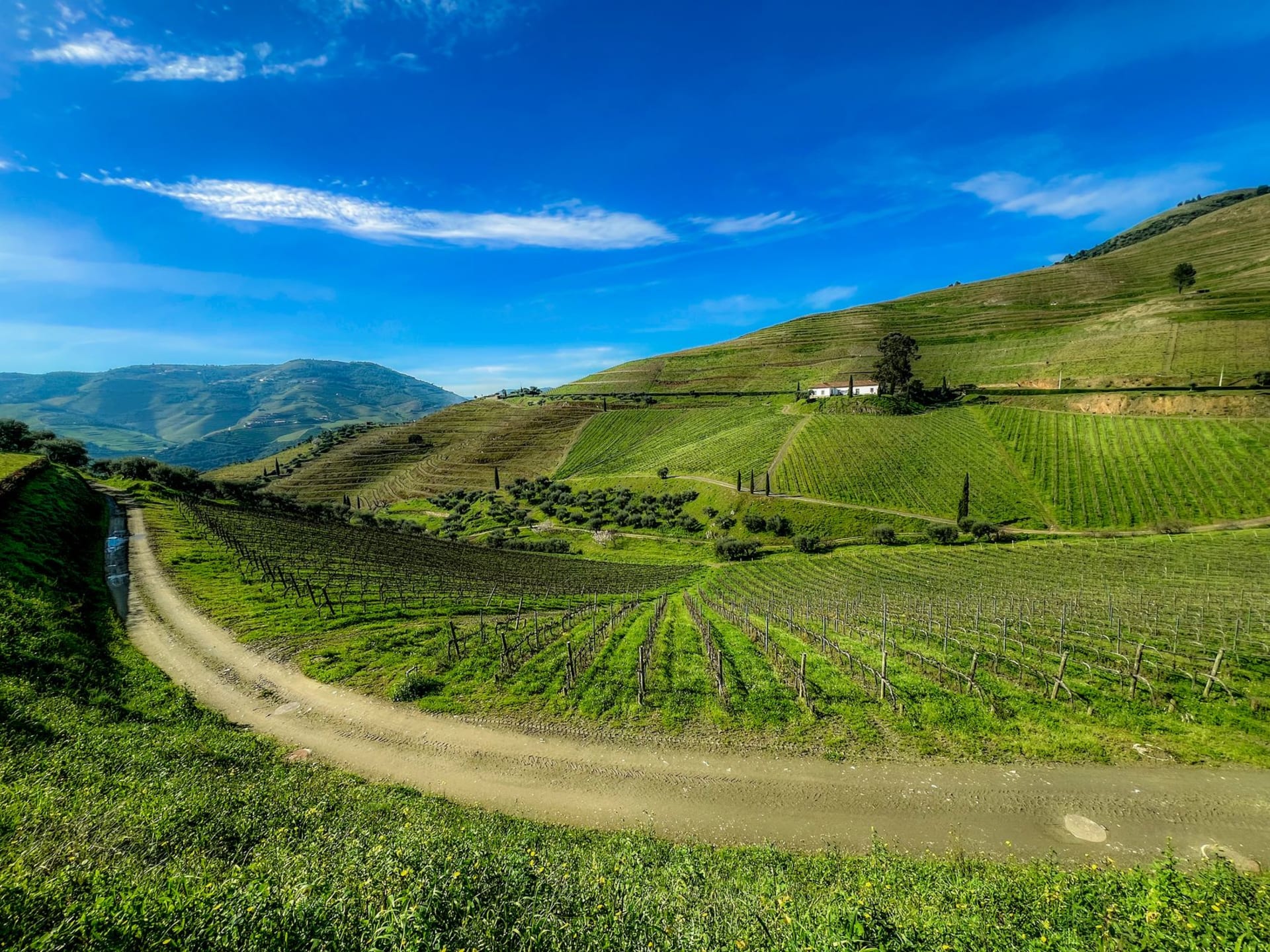
Favaios sits high enough that the air is cooler and the views run for miles across vine and almond and olive, the Douro itself hidden in its gorge somewhere below. There is not much to do here in the way of attractions, and that is precisely the appeal. You taste the wine, you eat the bread, you walk the few stone streets, and you understand something about how a place can build a whole identity on two things done well for a very long time. I will take that over another crowded river terrace any day.
When to go: Spring and autumn are loveliest on the plateau, with the vineyards green or turning gold. The cooperative adega runs tours and tastings year-round; check ahead in winter. Combine it with Alijó or Pinhão down in the valley to see both the working uplands and the famous river.