Carrazeda de Ansiães
"The castle has been a ruin for five hundred years. The landscape around it has looked like this for five thousand."
The ruins of Ansiães castle sit on a promontory of schist about three kilometres outside the modern town of Carrazeda, rising from the plateau with the studied solitude of something that has been alone for a long time and has made peace with it. I drove up a track that seemed intended for agricultural vehicles and parked among some olive trees, then walked the last five hundred metres to the walls. The castle dates from before Portugal was Portugal — a pre-Roman settlement that became a Roman castrum, then a Visigothic fortification, then a medieval fortress that the Portuguese crown used and abandoned as the frontier wars moved east. By the sixteenth century it was already in decline. Now what remains are sections of curtain wall, a ruined chapel, and the bones of a town that grew up around the castle and died when the castle became irrelevant.

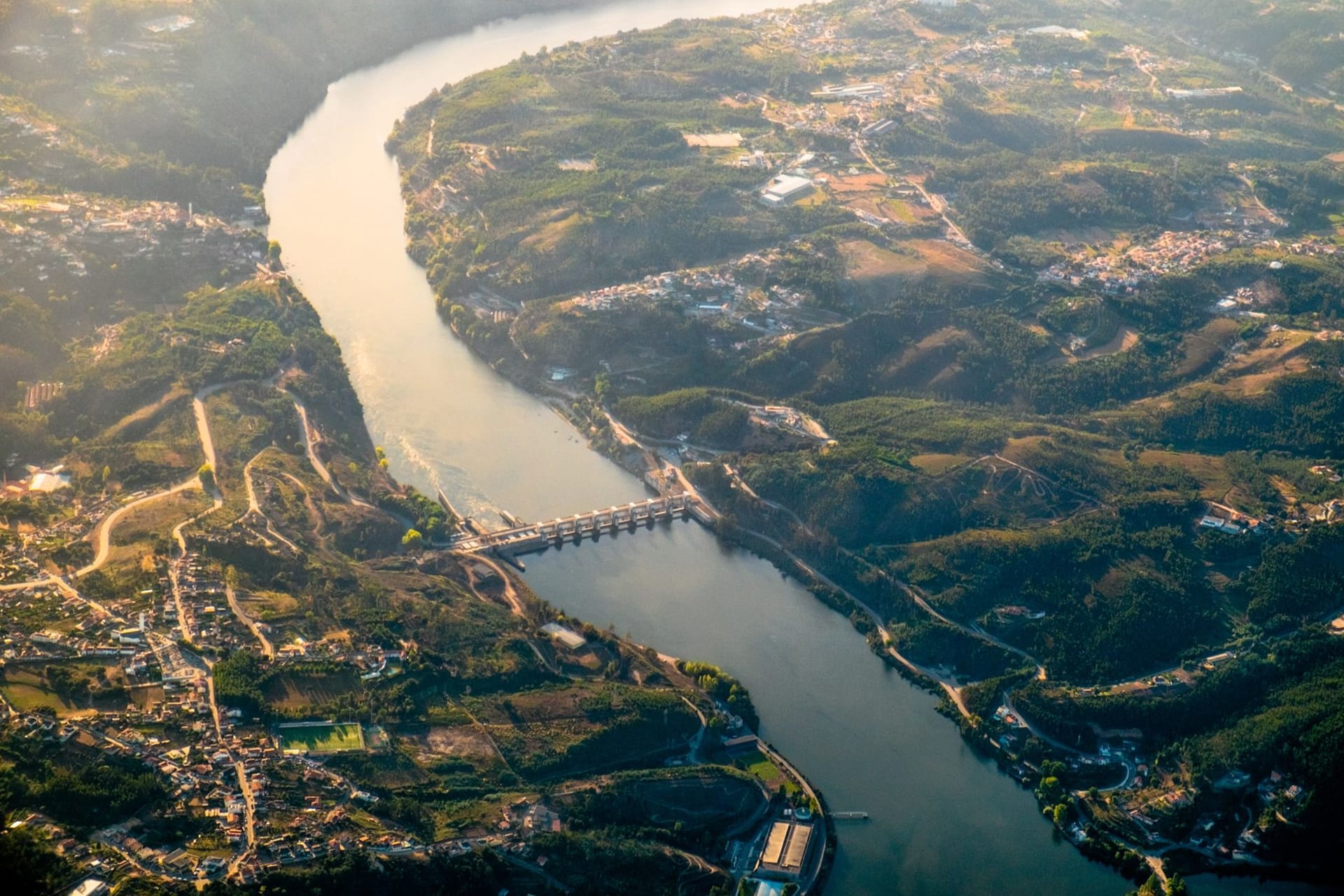
From the top of the surviving tower, the view extends south toward the Douro gorge and east toward the Spanish border in a panorama that makes clear why this particular promontory was chosen across three millennia for the same purpose. The schist plateau drops steeply on three sides, the river glints far below, and the surrounding landscape — a mix of vineyard, olive grove, and abandoned agricultural terracing — stretches out in the midday heat with the stillness of something that has given up waiting for something to happen. I sat on a section of wall and ate bread and cheese I’d bought in Carrazeda village and drank water that was too warm, and felt the peculiar calm of the very old dead.
The modern town below is a small agricultural community that has benefited from the Douro Superior wine boom in a quiet way: a few more cars parked outside the cooperative winery, a couple of boutique quintas on the surrounding hillsides. The landscape here is different from the Cima Corgo — fewer terraces, more plateau, the schist breaking through in outcrops between the vineyard rows. The wines tend toward power rather than elegance, shaped by the continental heat that comes in from the Spanish meseta. I tasted a ten-year-old tawny at the cooperative that had developed a quality of dried fig and roasted almond and something almost saline that I couldn’t identify but found compelling.

There is very little infrastructure for visitors, which I mean as a recommendation rather than a warning. The town has a café and a restaurant open at lunchtime, the cooperative receives visitors on weekdays, and the castle is accessible on foot without any admission charge or signage explaining what you are looking at. You work it out from context, which is its own kind of education.
When to go: Spring is the most rewarding season — the wildflowers on the plateau around the castle are extraordinary in April and May, and the air has the clear quality of mountain light before the summer heat flattens everything. Autumn brings harvest activity and better temperatures. The castle site has no shade and becomes hostile from June through September.