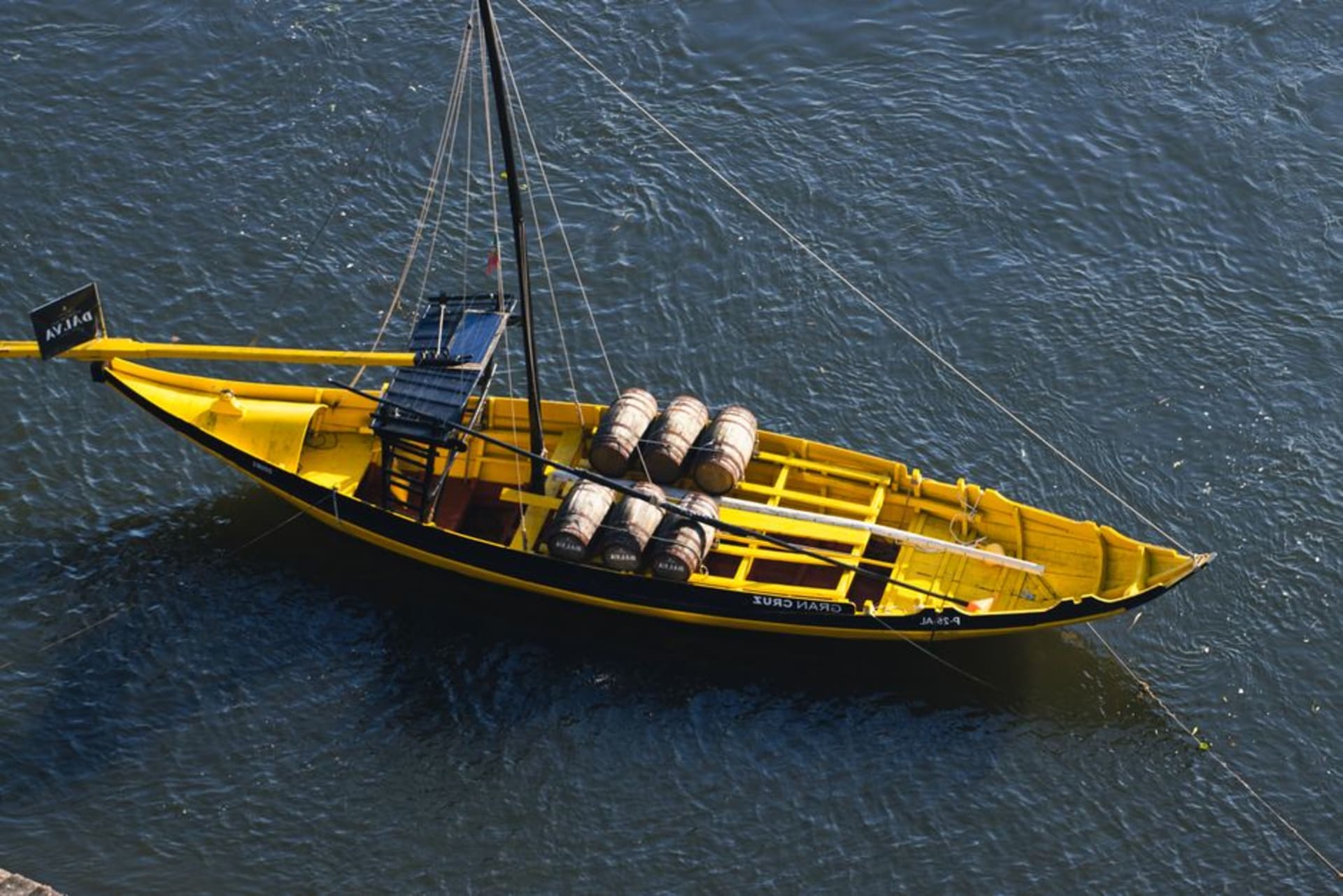
A forgotten border village where the railway once ended and the Douro slips quietly into Spain.
We got to Barca d’Alva almost by accident, chasing the Linha do Douro as far as the tracks would take us, and only realized afterward how far we’d come — the village sits less than a kilometer from the Spanish border, right where the Douro meets the Águas river inside the Douro International Natural Park. Lia had read something about a river cruise turnaround point and expected a proper harbor. What we found instead was quieter: a scatter of stone houses, a station platform baking in the sun, and terraces climbing every hillside around us like green and gold staircases.
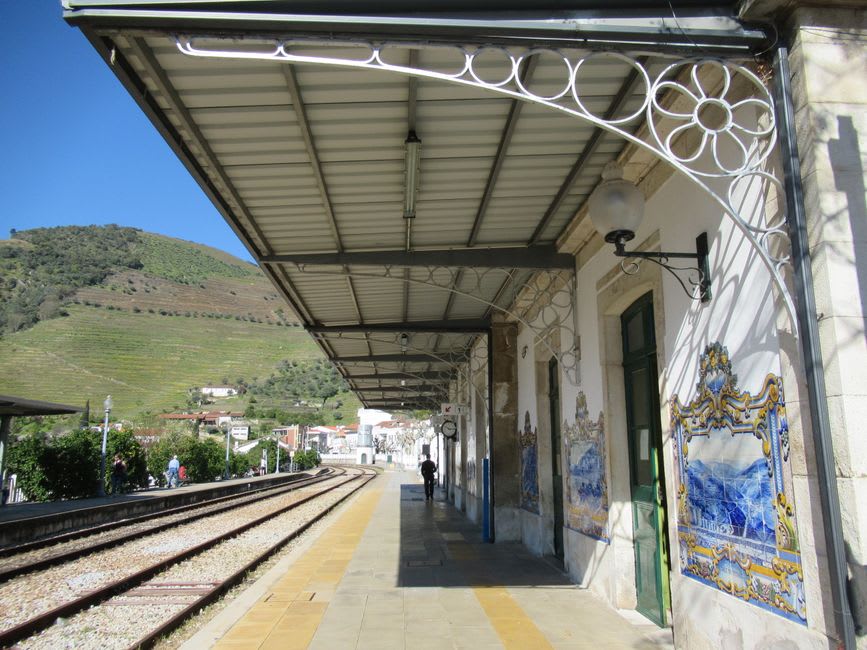
The old station is what stayed with me longest. Built in 1887 as the final stop of the Linha do Douro, it once connected to the Spanish line at La Fregeneda, and for decades this tiny outpost was the interior valley’s only real door to the rest of Europe — customs post, fiscal guard, a hotel that must have seen every kind of traveler pass through. Standing on the platform with Lia, I tried to picture it full of trunks and porters and cross-border paperwork instead of the silence we had. A stray dog slept in the shade of the old ticket window like he owned the place.
We ate lunch at a small place near the river — grilled trout, a jug of the house red, bread that Lia kept reaching back for — while a Douro cruise boat idled at the dock waiting to turn around and head back downriver. That’s the village’s job now, more than trains: it’s the point where the boats stop, breathe, and reverse course. I liked that Barca d’Alva has become a hinge in two different eras, first for rail and now for river tourism, without ever really growing beyond a village.
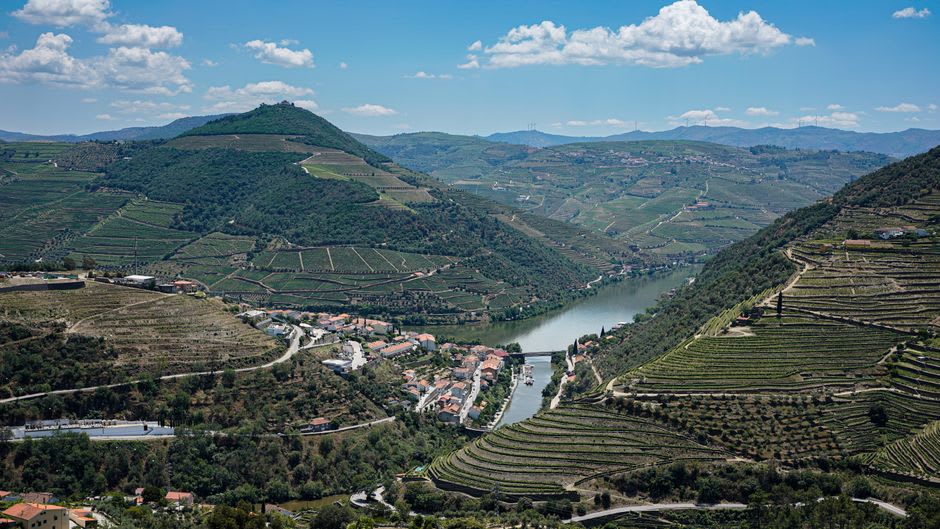
Afterward we walked up into the olive groves and almond orchards ringing the village, Lia picking her way along a dry stone wall while I kept glancing back at the river glinting below. There’s a stillness here that’s different from the rest of the Douro — less postcard, more edge-of-the-map. I keep thinking about going back.
When to go: We’d time it for spring, April into May, when the almond blossoms and the young vineyard leaves turn the surrounding terraces into something almost unreal — locals told us it doesn’t last long, so don’t wait around once it starts.