Alijó
"The man at the cooperative tasted four wines with me and refused every attempt I made to pay. Declined, with dignity."
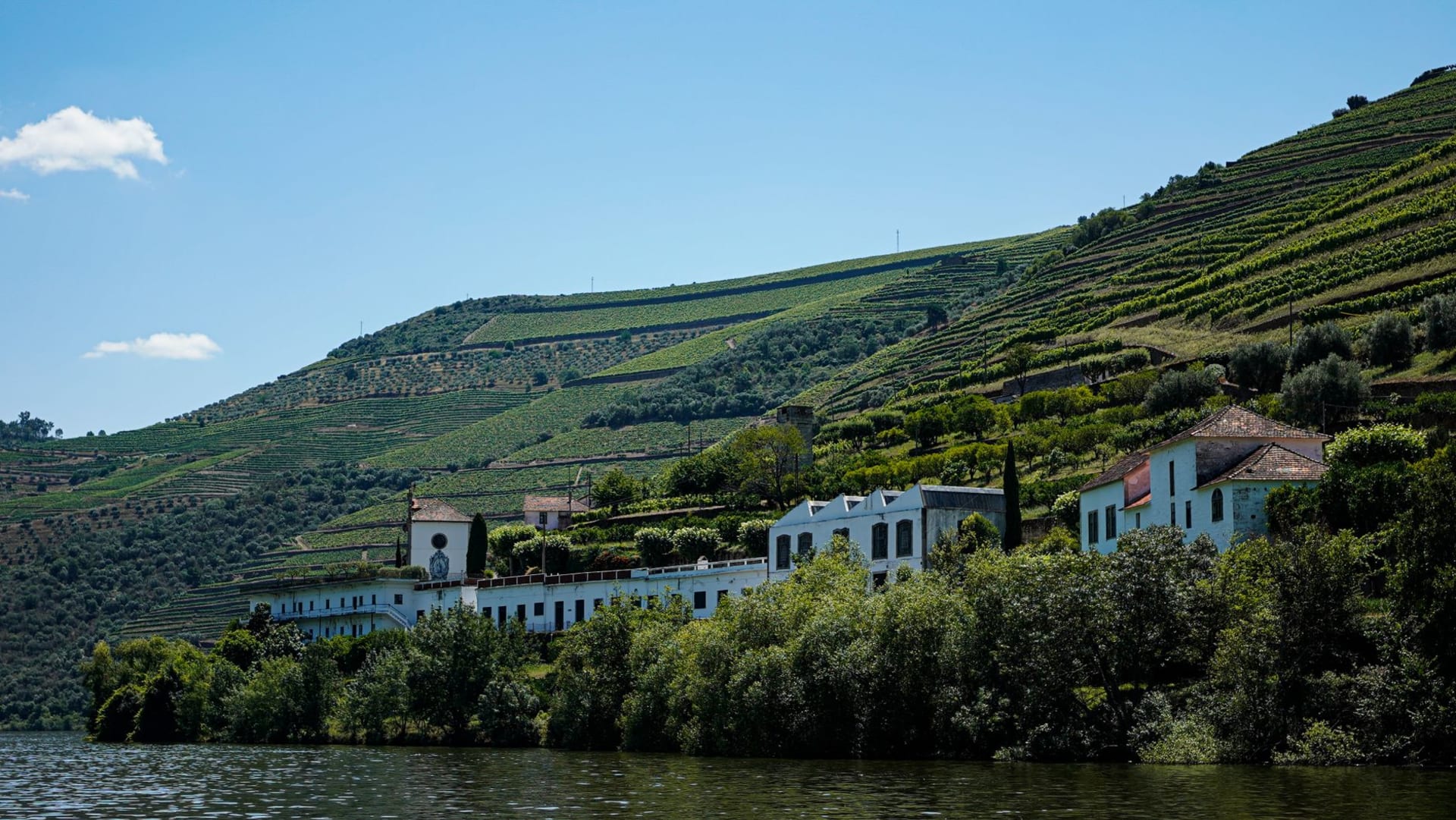
The road to Alijó from the Douro valley floor climbs through terraced vineyards that grow progressively more ancient-looking as you ascend, the schist walls lower and more sun-damaged, the vine trunks older and more gnarled. The town arrives without announcement: a square, a church, a cooperative winery, a market selling the things that local people actually need. Nobody is selling azulejo fridge magnets. The café on the square serves the bica and the wine and the tosta mista and does not offer WiFi, which felt like a policy decision rather than an oversight.

Alijó sits at roughly five hundred metres in the Cima Corgo, the central Douro sub-region, surrounded by some of the valley’s most productive and distinguished vineyard land. The quintas here — Quinta da Romaneira, Quinta Vale Meão’s neighbour estates, several smaller producers — operate with less publicity than the famous names along the river, which keeps prices honest and attitudes correspondingly unguarded. At the local cooperative, I spent an afternoon tasting with a man named António, a retired schoolteacher who volunteers there on Saturdays because he enjoys talking about wine with strangers. He tasted with me through four vintages of the cooperative’s flagship tawny and a dry Douro red made from field-blend vines that had been growing together since before he was born. His explanations were in Portuguese, which I followed at about seventy percent. The thirty percent I missed didn’t matter — the wine communicated what language couldn’t.
The town has one restaurant that operates at dinner, a smaller space than a restaurant and larger than a family kitchen, where the menu depends on what arrived at the market that morning and what the owner felt like making. On my evening there it was arroz de pato — duck rice, a dish that sounds simple and is actually the most demanding thing you can do with a bird and a grain, requiring the duck to be braised, the fat rendered, the rice cooked in the stock, then the whole thing baked until the top is just catching colour. It was very good. The bread basket was refilled three times.

What Alijó lacks in touristic infrastructure it recovers in something harder to name — a quality of attention, perhaps, or the particular ease of a place that has not been arranged for visitors. The people here are farming people and wine people and schoolteacher people, and they are living their ordinary lives in full view of one of the most extraordinary wine landscapes in the world, which they regard with the affectionate familiarity of something always present. I found that calming in a way that no dedicated tourist experience had managed.
When to go: Alijó works year-round for the cooperative visits. The market is most interesting on Thursday mornings. Spring brings the vines into leaf against the schist in a green that seems impossibly vivid for a landscape that looks so arid in other seasons. Harvest in September and October brings the whole valley alive.