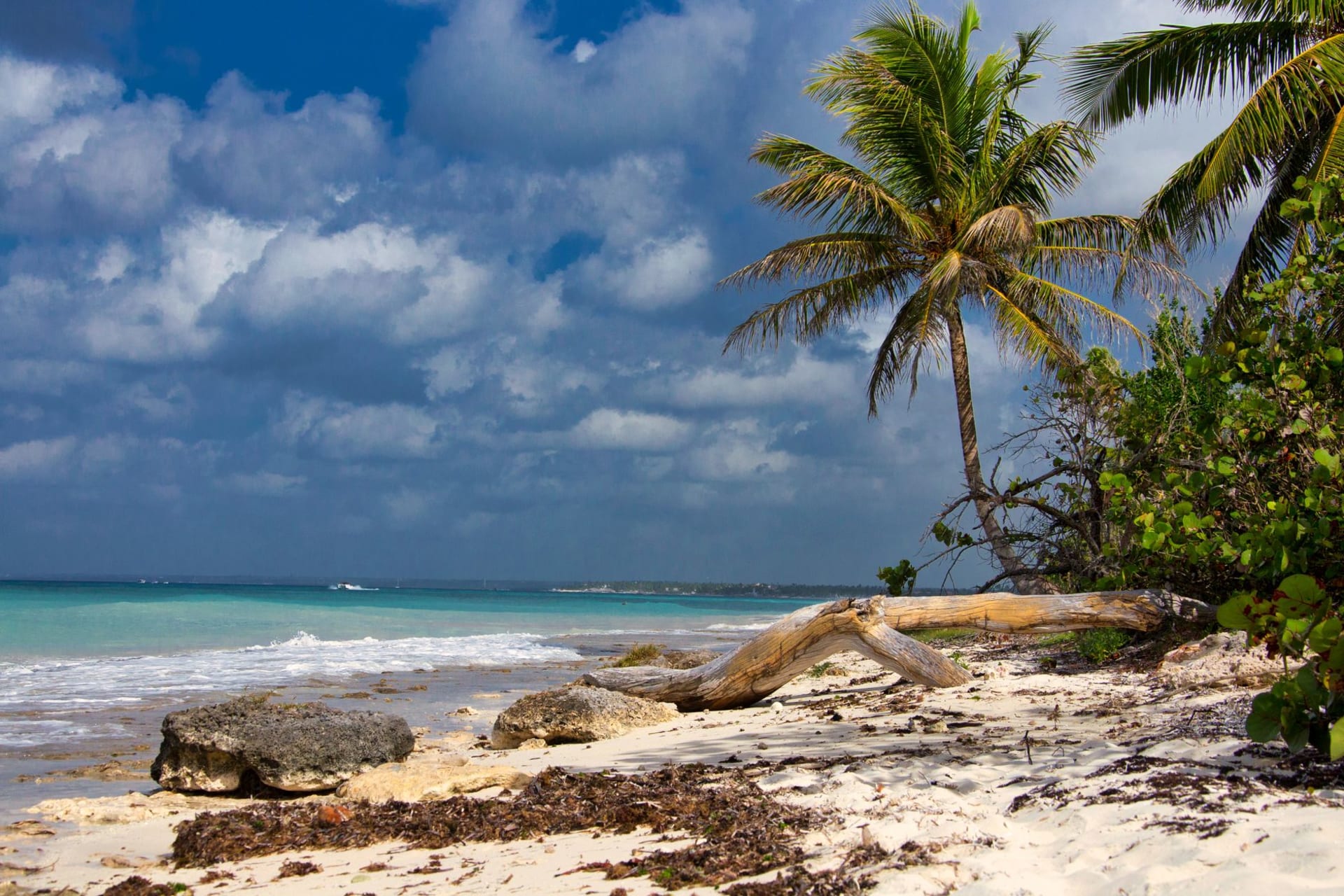
Bahía de las Águilas
"We drove four hours to find a beach with nobody on it, and that turned out to be exactly what it was."
The Dominican Republic I knew before this trip was the one of all-inclusive resorts and swim-up bars, the country sold by the kilometre of buffet. Bahía de las Águilas is the correction to that idea. It sits at the far southwestern corner of the country, deep inside Jaragua National Park, about as far from Punta Cana as you can get without leaving the island, and getting there is most of the point. We drove down through Pedernales — dry, cactus-studded, more Mexican-looking than Caribbean to my eye — and then onto a dirt track that rattled the rental car so hard Lia threatened to walk.
The long way in
You can reach the bay two ways. The honest way is the boat from Las Cuevas, a short hop in a small launch around a headland of fossilised coral cliffs. The masochistic way is the track, which we took on the return because I am stubborn and the car was already filthy. Both deposit you at the same place: an eight-kilometre arc of sand so pale it hurts in the midday sun, backed by limestone bluffs and fronted by water that grades from clear to an unreasonable turquoise. There are no hotels. There is no bar. By national park rule there is nothing permanent at all, which in a country that paves everything with resorts feels close to a miracle.
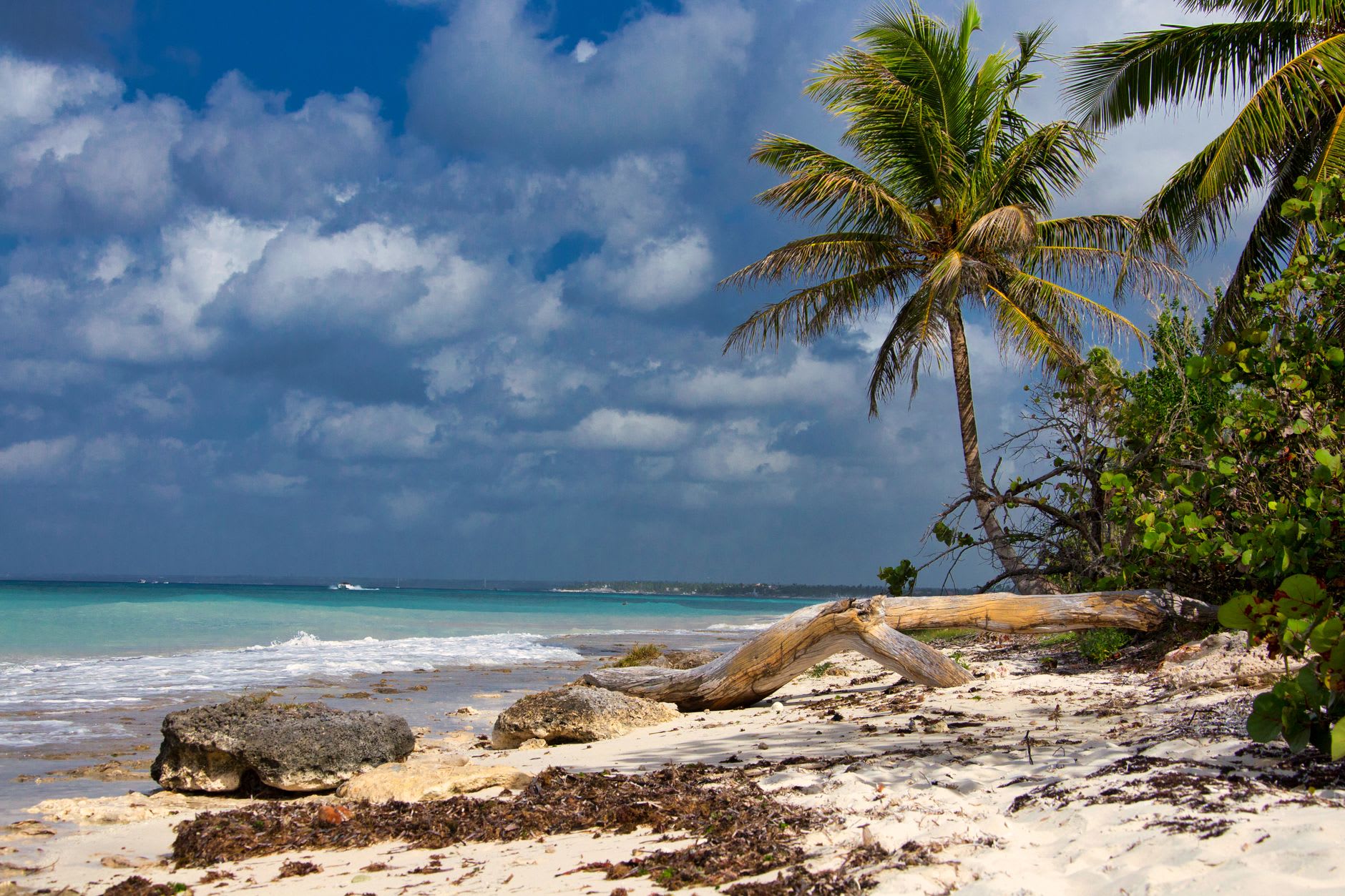
We walked. That sounds like nothing, but the beach is long enough that twenty minutes of walking put a full kilometre of empty sand between us and the handful of day-trippers near the boat landing. Pelicans worked the shallows in formation. Lia found a sea turtle track scored up the beach to a nest above the tide line — Jaragua is one of the most important nesting areas in the Caribbean, and the rangers map every clutch. I have rarely felt so much like a guest somewhere rather than a customer.
What it costs you
The price of Bahía de las Águilas is paid in effort and in the absence of comforts. Bring your own water and food; there is a single rustic shack near the landing run by the fishing cooperative that grills the morning’s catch if you ask early, and that is the entire economy of the place. There is no shade except what the cliffs throw in late afternoon, so a beach with no palm trees demands you bring your own. We ate fried fish and tostones sitting on a cooler, sand in everything, and it was better than any resort plate I was served all week.
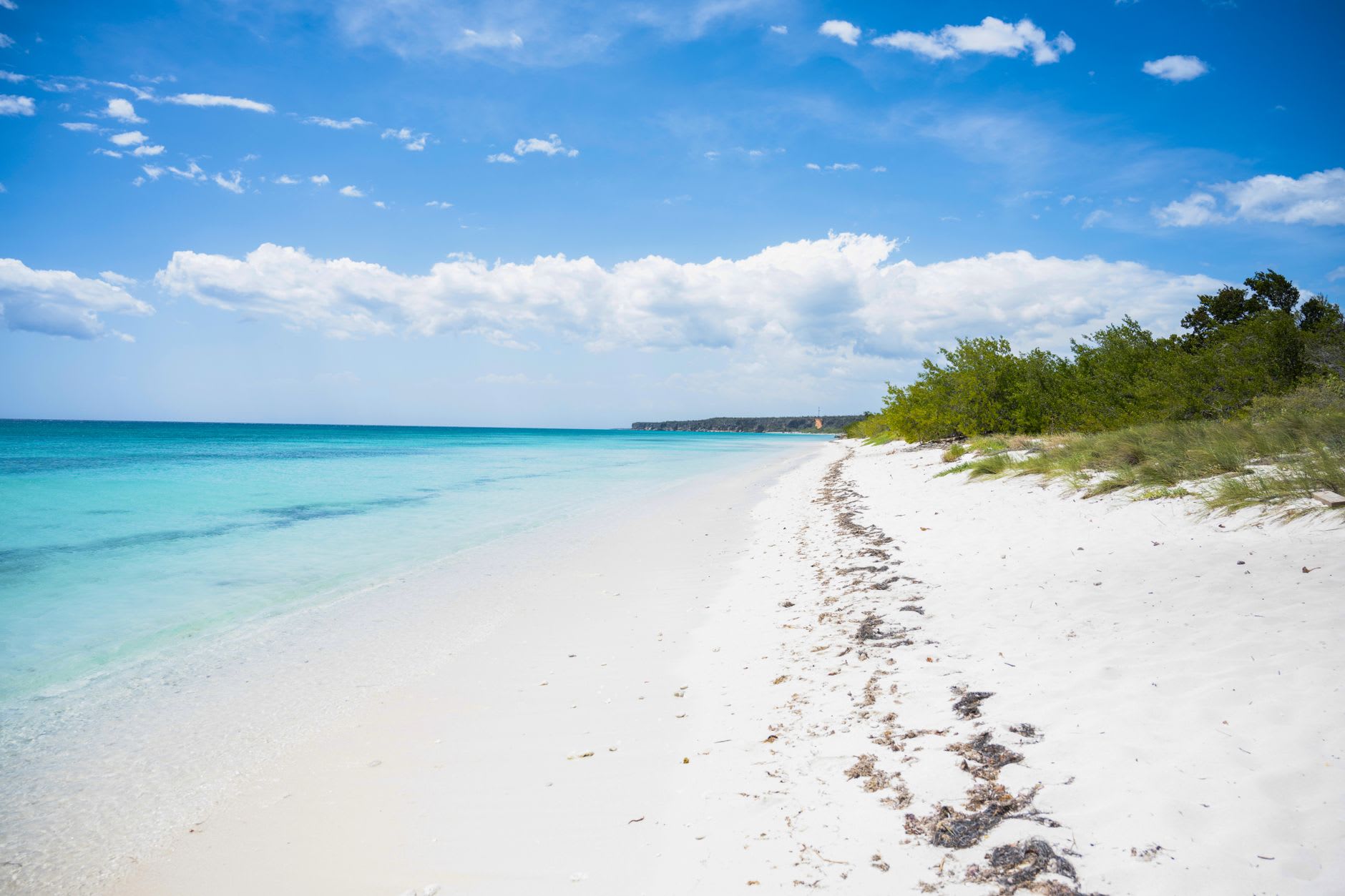
What stays with me is the silence. No music, no engines once the boats cut out, just wind and water and the occasional pelican hitting the surface. In a country that has learned to package its coastline so efficiently, here is one stretch it decided to leave alone. I hope they keep deciding that.
When to go: December to April for dry weather and calm seas. Come on a weekday — Dominican families fill the boats at weekends. Go early, bring water, food, and shade, and carry your rubbish out. The boat from Las Cuevas is the easy route; the dirt track rewards only the determined.