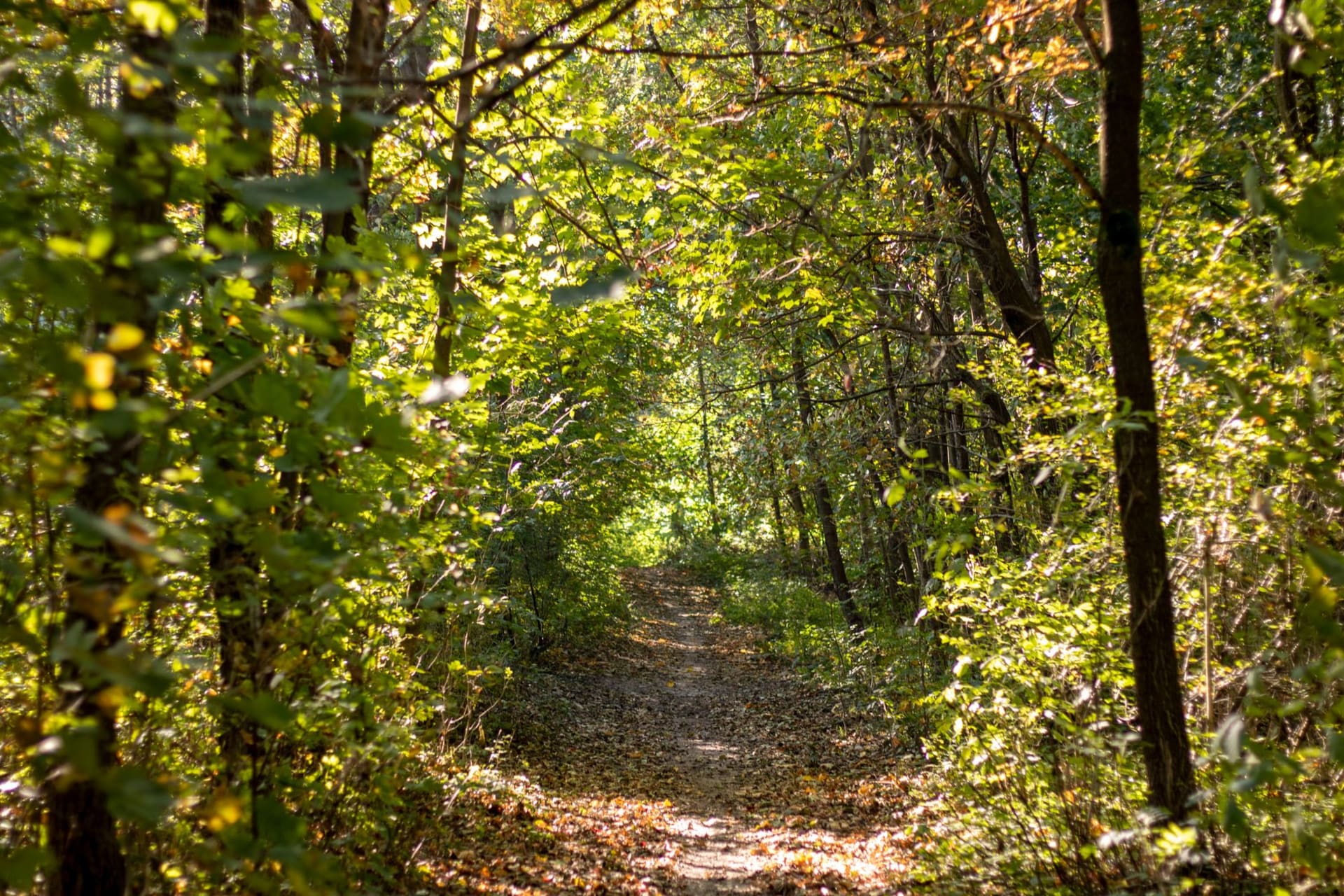
Syndicate Nature Trail
"The Sisserou does not perform for visitors. It simply exists in its forest, which is more than enough."
You go at dawn and you go quietly. That is the instruction from every guide who has ever worked the Syndicate trail, and it is not the kind of instruction that has caveats. I arrived at the trailhead above Dublanc village on the northwestern slope of Morne Diablotin at five-thirty, when the sky was still the blue-black of not-quite-morning and my breath was visible in the cool highland air. My guide, a birdwatcher named Conrad who had the focused quietness of someone who has spent years listening for things other people miss, handed me a pair of binoculars without comment and pointed up the trail.
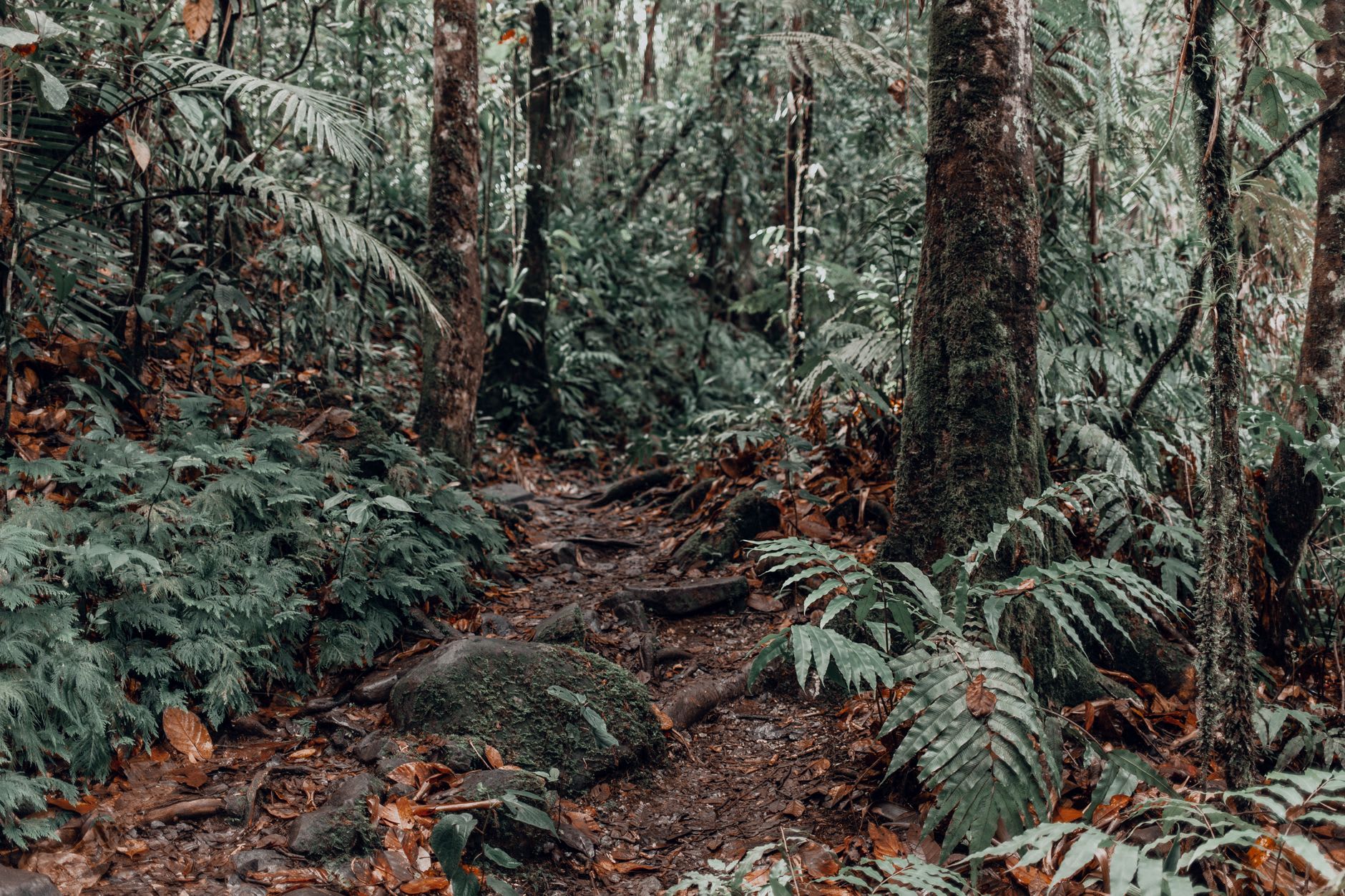
The trail runs through what remains of Dominica’s primary montane forest — trees of a size and age that are becoming rare anywhere in the Caribbean. Gommier trees with smooth grey trunks rising thirty metres before the first branch. Mahogany and chestnut with buttress roots spreading across the forest floor like frozen explosions. The undergrowth here is different from the lower forest — sparser beneath the high canopy, with more moss and lichen and the particular cathedral quality of old growth, where the distance between the forest floor and the highest leaves is so great that the interior feels like a building rather than an outdoor space. I have been in old-growth forests in other parts of the world, and they all produce the same quality of silence — not absence of sound, but presence of time.
The Sisserou parrot is the reason Syndicate exists as a protected area. Amazona imperialis: the Imperial Amazona, the largest parrot in the genus, with dark purple underparts and green wings and a face that manages to look simultaneously ancient and slightly affronted. There are fewer than three hundred and fifty of them. They feed in the old-growth canopy on fruit and seeds and spend considerable energy flying between feeding trees in the early morning, which is when Conrad positioned us at a clearing and we waited. We did not wait long. Two Sisserous appeared over the treeline — you hear the wing beats before you see them, a loud, deliberate flapping that is nothing like the quick flutter of smaller birds — and crossed the clearing at height, calling to each other in a sound between a bark and a creak, and were gone into the forest on the other side in perhaps twelve seconds. I stood with the binoculars still raised for another thirty seconds after they disappeared. Conrad smiled. That was it. That was enough.
The trail itself takes about ninety minutes to walk at a slow birdwatching pace — there are also Jaco parrots, hummingbirds, and forest thrushes, and Conrad could identify every call without apparent effort. There is a viewing platform partway along where you can look out over the northern forest toward Morne Diablotin, Dominica’s highest peak. Coming down in mid-morning, the lower forest filling with heat and insect sound, I felt the strange satisfaction of having woken up before dawn for something completely worth it.
When to go: The Sisserou is most active and visible at dawn, year-round, but the dry season (January through April) gives clearer views through the canopy. Hire a local guide from the Syndicate area — the parrot sightings are reliable with guides who know the current feeding patterns, and the fee directly supports conservation. The trail is easy to moderate and suitable for most fitness levels.