Caribbean
Dominica
"Every other Caribbean island sold the beach. Dominica kept the jungle."
I arrived at Douglas-Charles Airport on a prop plane so small the wings flexed when we hit turbulence over Guadeloupe, and within ten minutes of landing I was driving a rented jeep through a curtain of tree ferns taller than a three-story building. Dominica does not ease you in. The island announces itself as something else entirely — not the Caribbean of bleached sand and frozen cocktails, but a 750-square-kilometre volcanic slab draped in the kind of rainforest that feels genuinely ancient, the kind where you half-expect something prehistoric to step out from the understory.
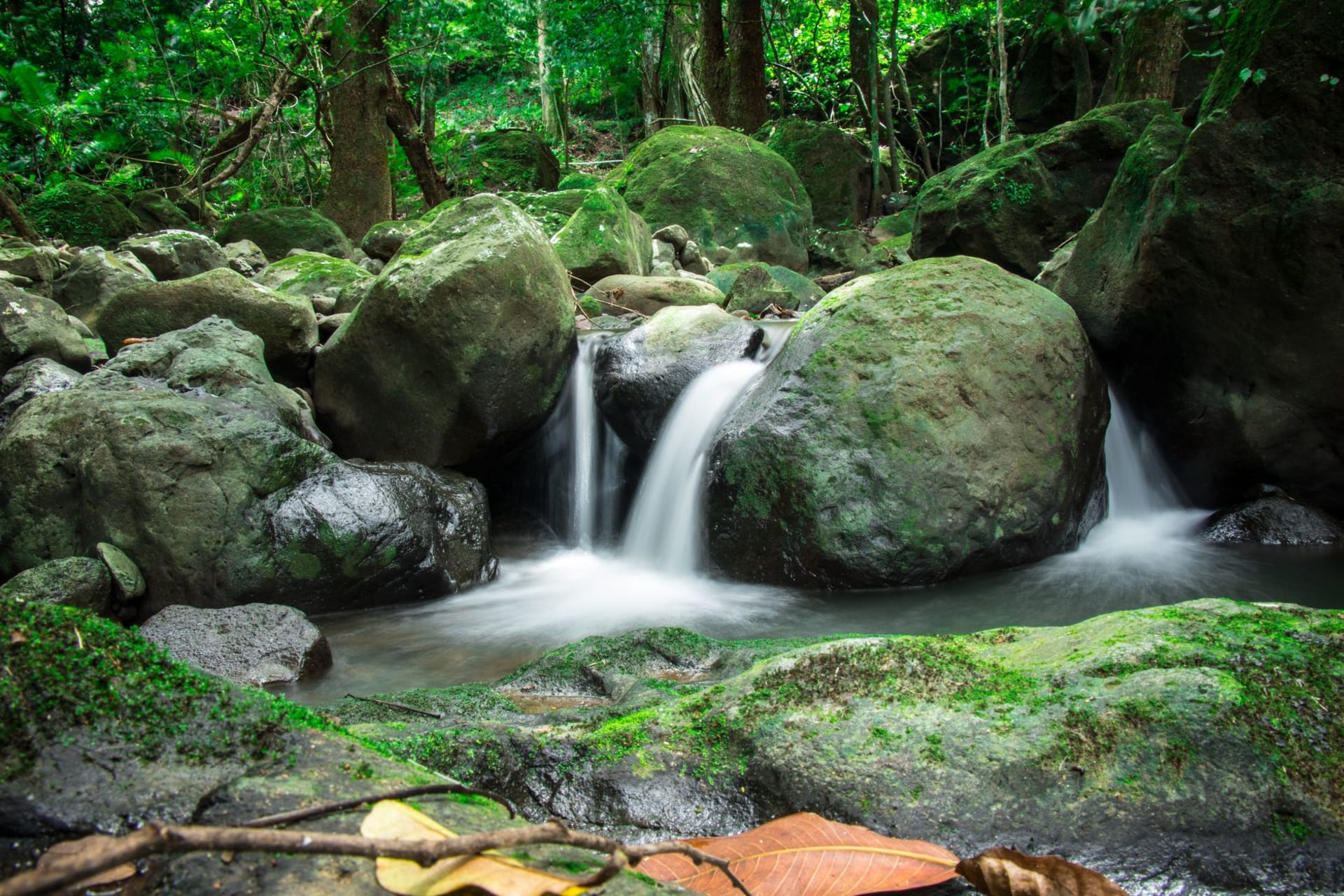
The Boiling Lake hike is the thing everyone talks about, and for once the hype is accurate. Seven hours return, through the Valley of Desolation — which smells exactly as brimstone and sulphur as it sounds — past fumaroles venting steam into cool mountain air, and finally out onto a ridge where a grey-blue cauldron of boiling grey water churns in a volcanic crater. I reached it at dawn, mist still sitting low on the surrounding forest, and stood there for a long time without speaking. Not because I had nothing to say, but because the place actively discourages noise. There are waterfalls too — Trafalgar Falls, Victoria Falls, Sari Sari — where you scramble over boulders and wade through cold rivers to reach pools that no brochure has managed to adequately photograph.
The food in Dominica is honest and specific. Look for mountain chicken — crapaud, the giant frog unique to the island — fried golden and served with rice and provisions. Callaloo soup, thick with greens and crab. Plantains roasted over coals at roadside stalls along the main road through Roseau, the capital, which is itself a town of peeling painted wood buildings and a Saturday market where fishermen sell yellowfin tuna off the back of pickup trucks. There is a particular rum punch at a bar in Portsmouth’s Indian River that I have been thinking about ever since — too sweet by objective standards, but somehow exactly right after a day in the forest.
When to go: January through April is the dry season and the best window for hiking. The Boiling Lake trail is manageable in light rain but becomes genuinely dangerous in heavy mud. May starts the wet season and the forest turns even more spectacularly green, but trails can close. Hurricane season peaks September to October — avoid unless you want an empty island and don’t mind the risk.
What most guides get wrong: They position Dominica as an “eco-tourism” destination for adventure travelers, which makes it sound like a niche product. It is not. It is simply what the Caribbean looked like before developers arrived — and the fact that it was spared has less to do with environmental virtue than with the island having no flat land and no beaches worth selling. That accident of geology is Dominica’s best quality. Come for the hiking, but don’t treat it as a challenge to be completed. Slow down. The island operates on its own time, and fighting that will make you miserable.